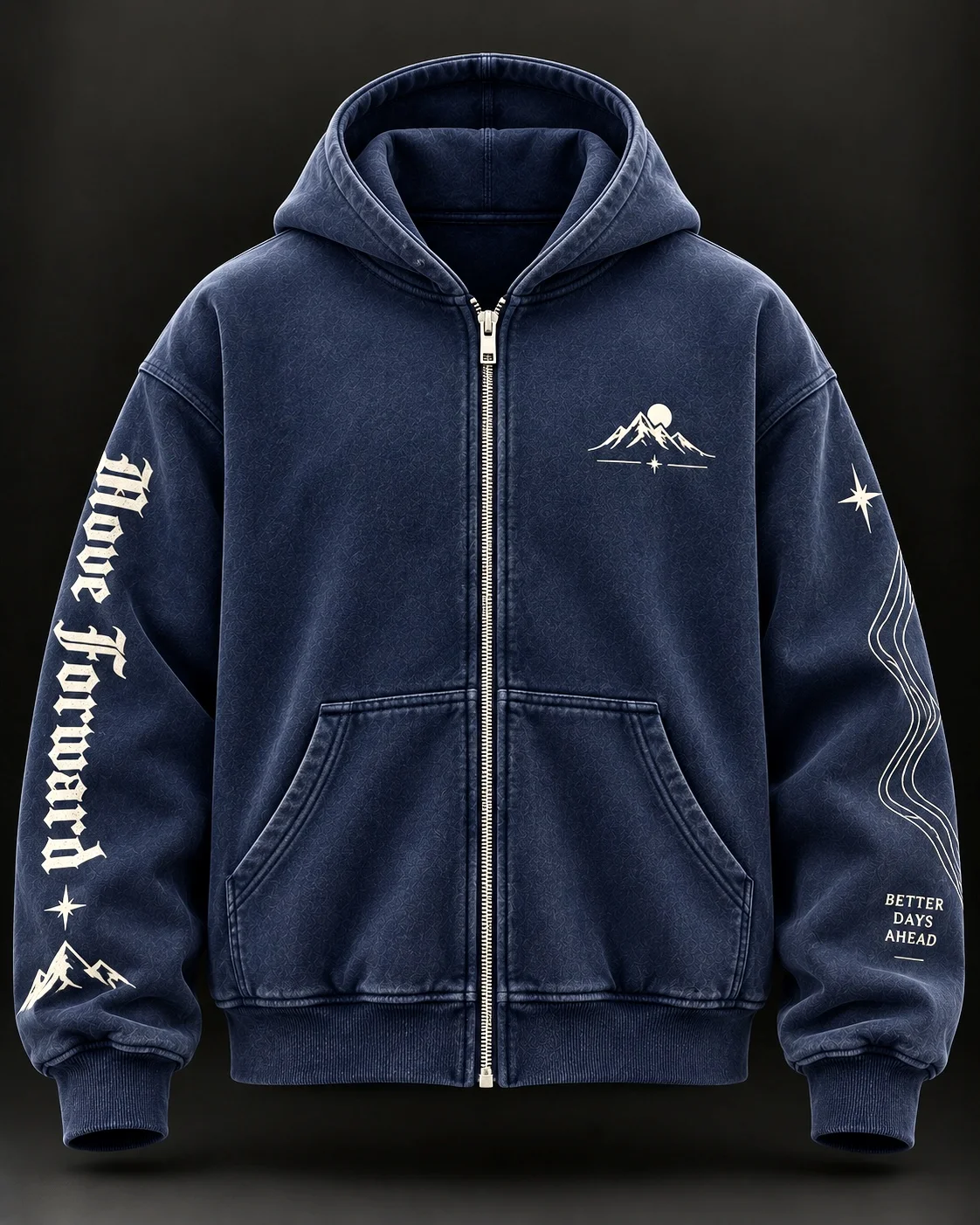
Oversized Zip-Up Hoodie
400 GSM · Oversized fit
View Product Details : Oversized Zip-Up HoodieCompare T-shirts, hoodies and other apparel for custom manufacturing. Review fabric, fit and construction references, then send your design and quantities to discuss sampling and a production quote.
400 GSM · Oversized fit
View Product Details : Oversized Zip-Up Hoodie420 GSM · Relaxed oversized
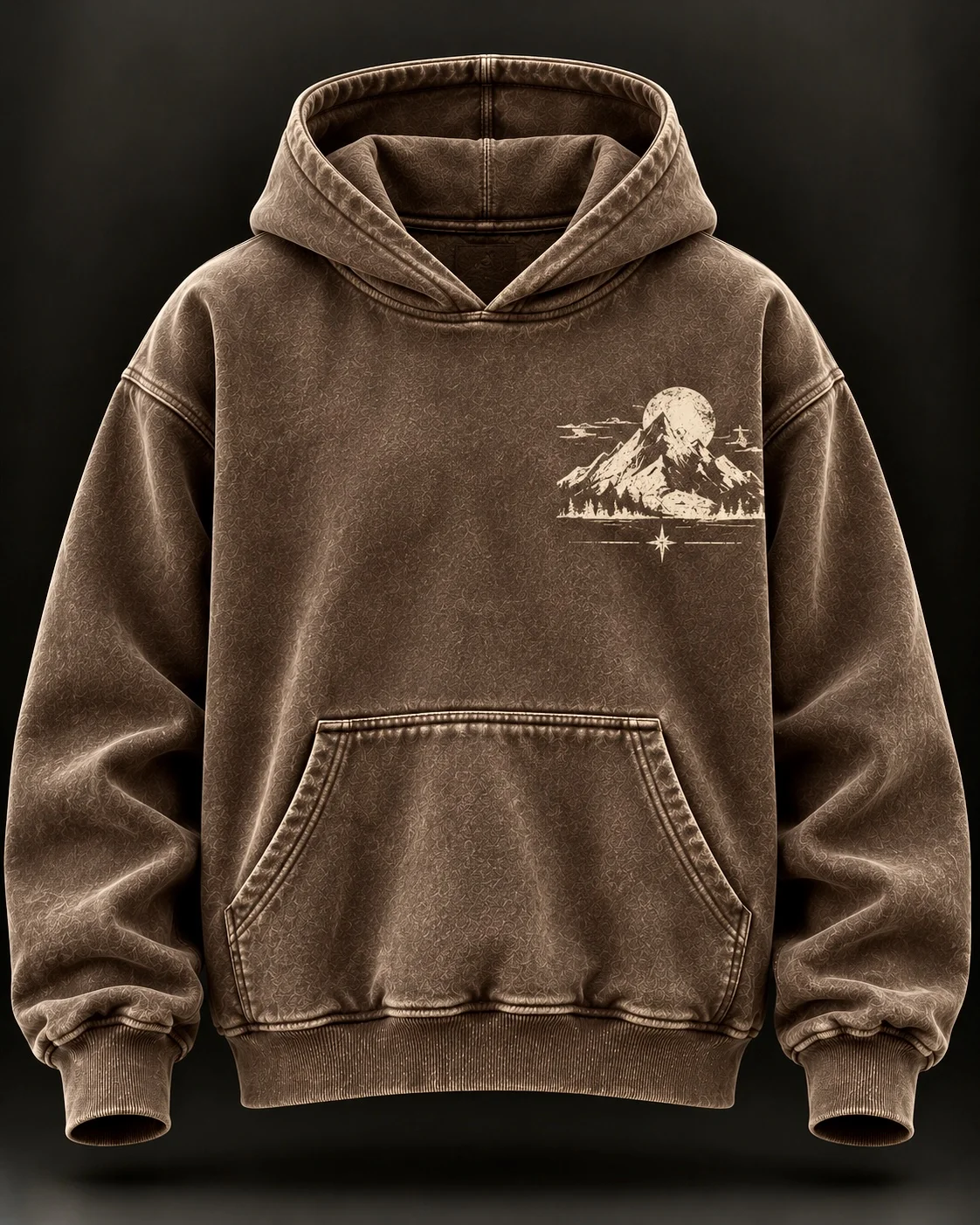
View Product Details : Vintage Washed Hoodie380 GSM · Relaxed fit
View Product Details : Crewneck Sweatshirt200-260 GSM · Relaxed oversized
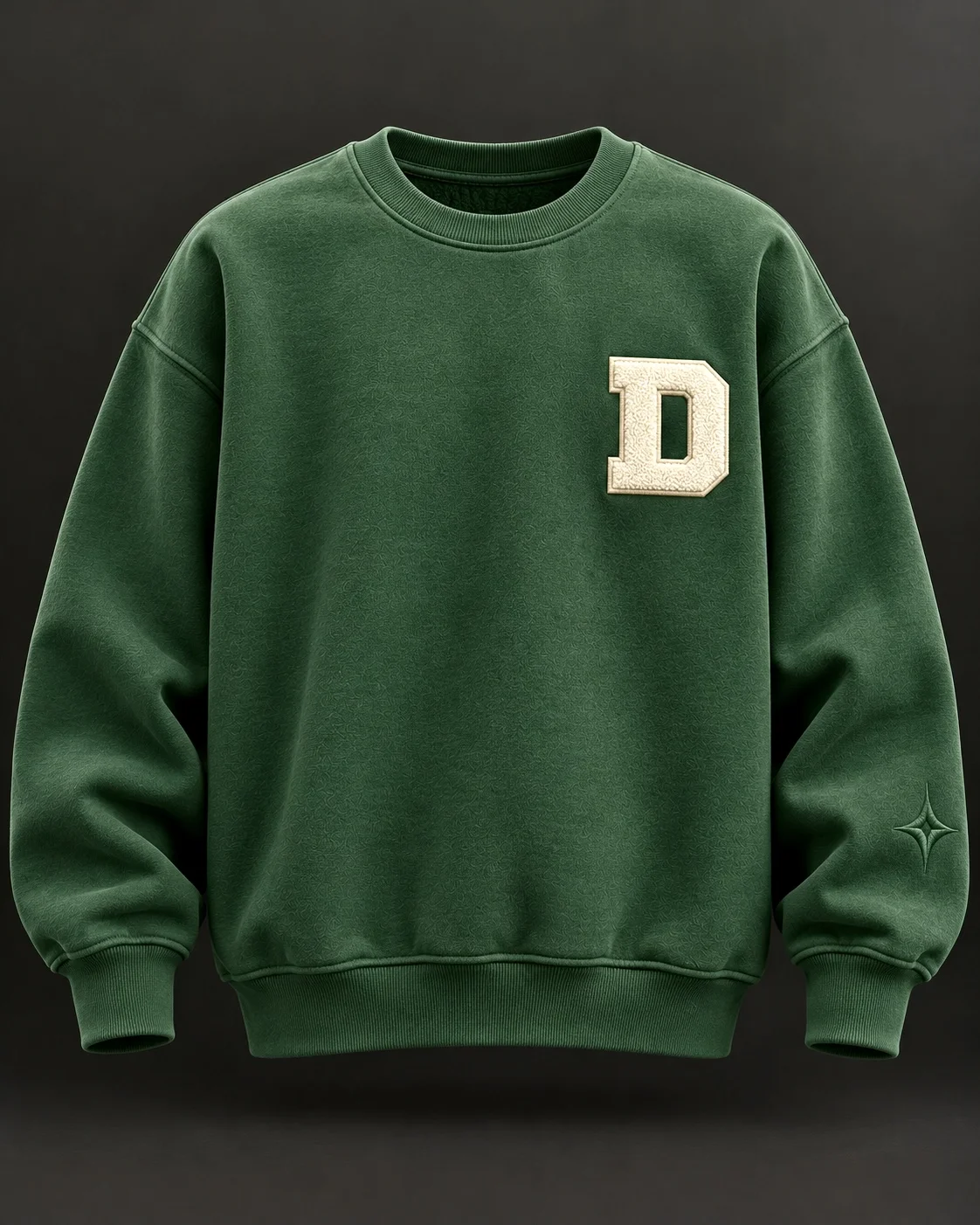
View Product Details : Vintage Washed T-Shirt280 GSM · Regular relaxed fit
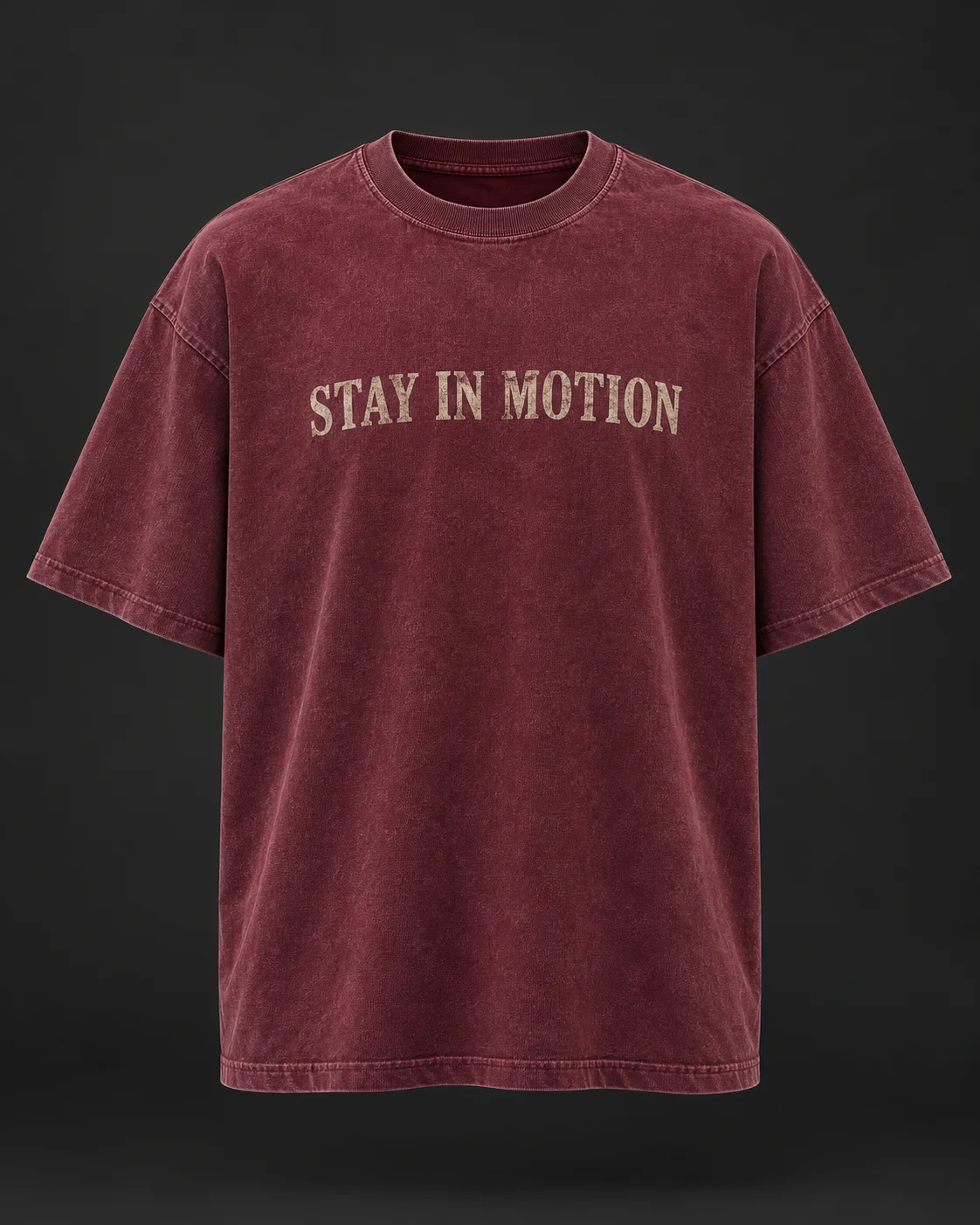
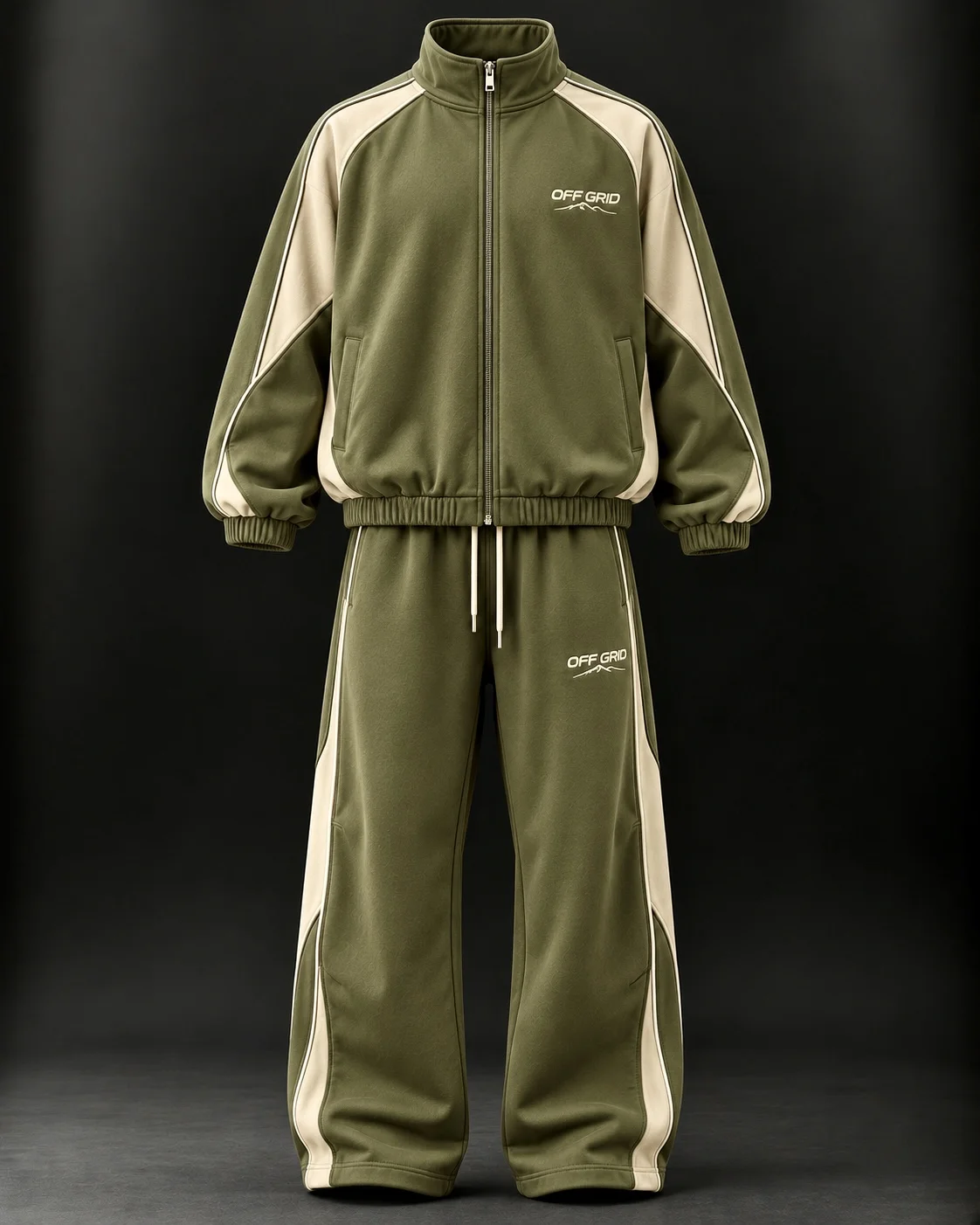
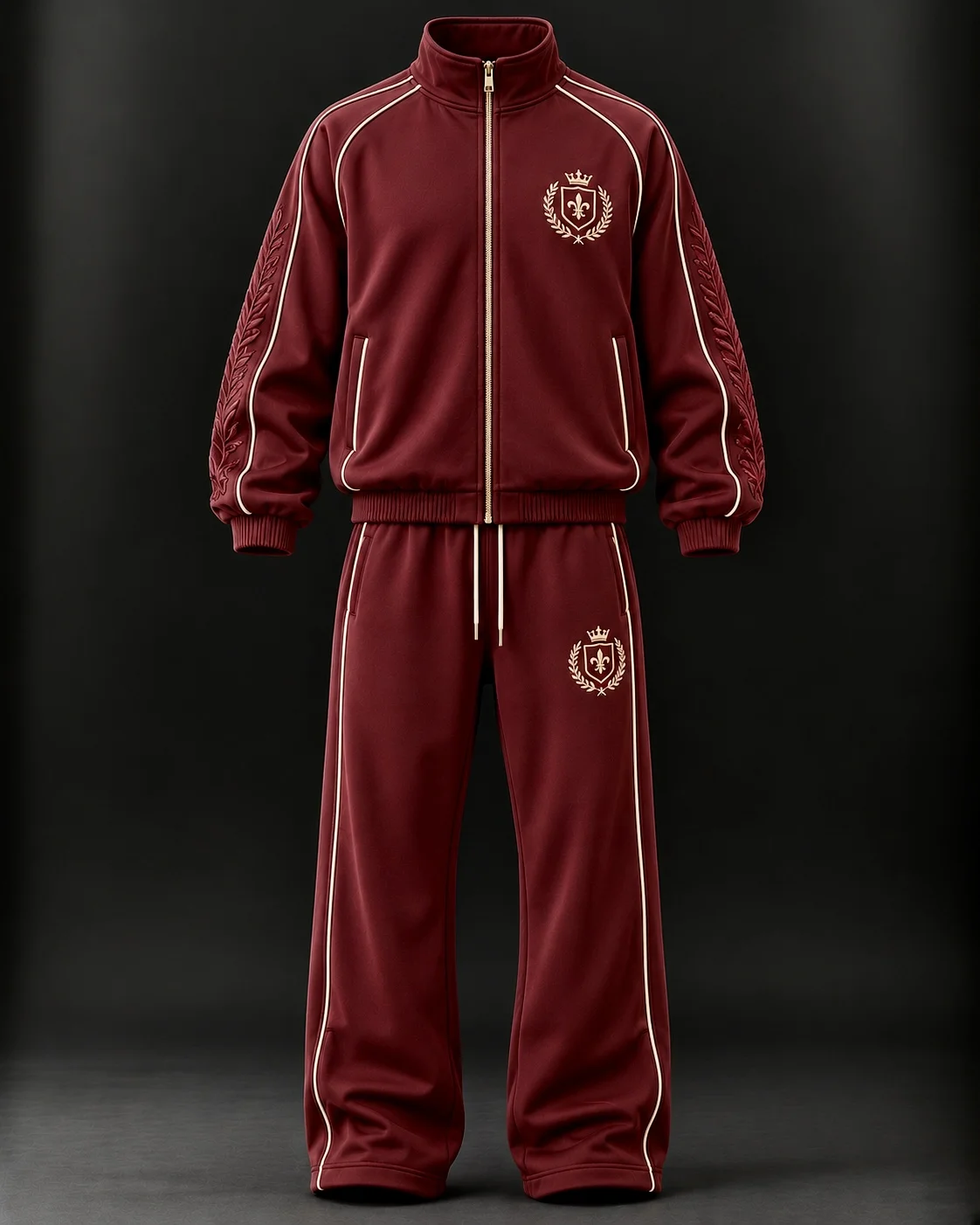
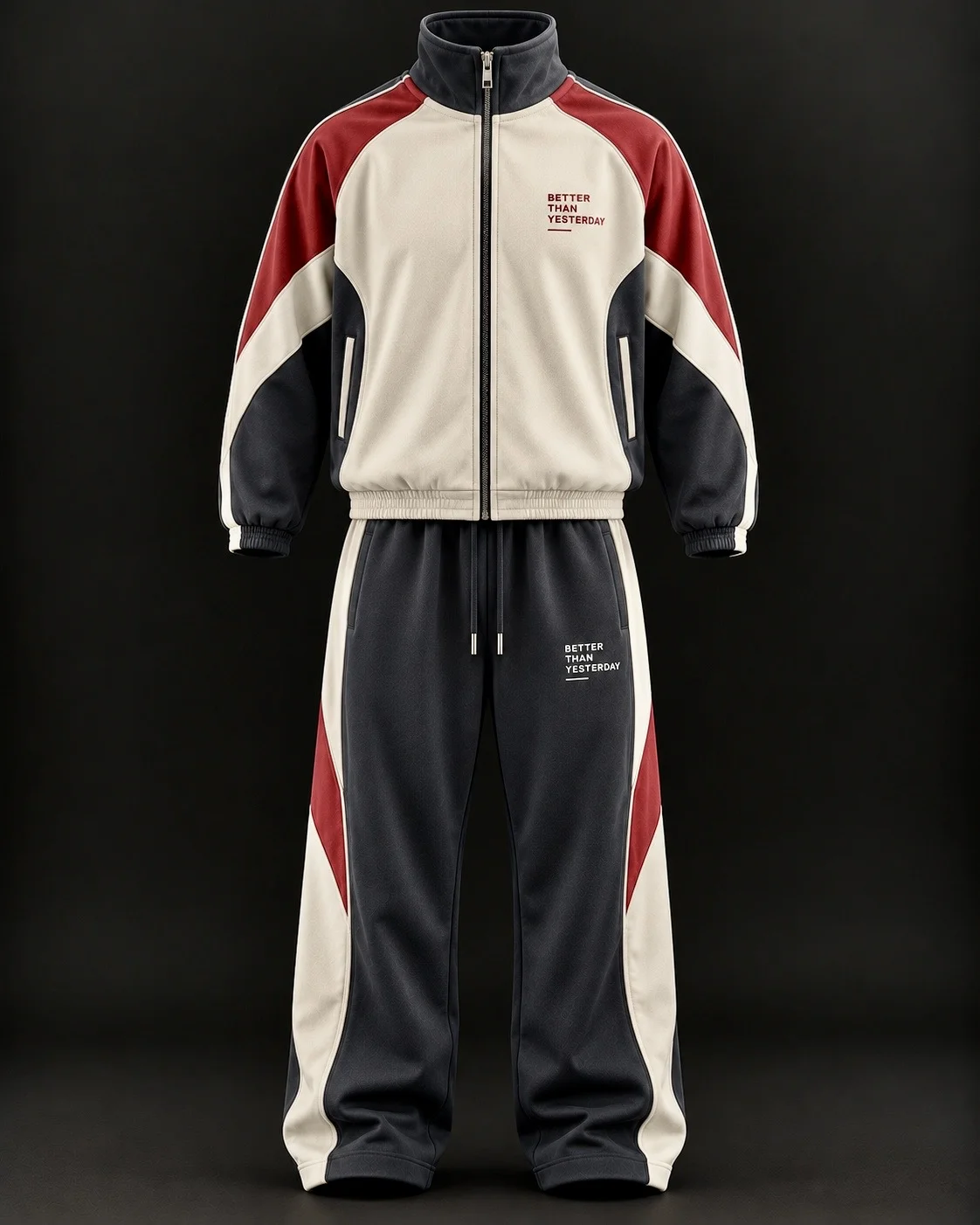
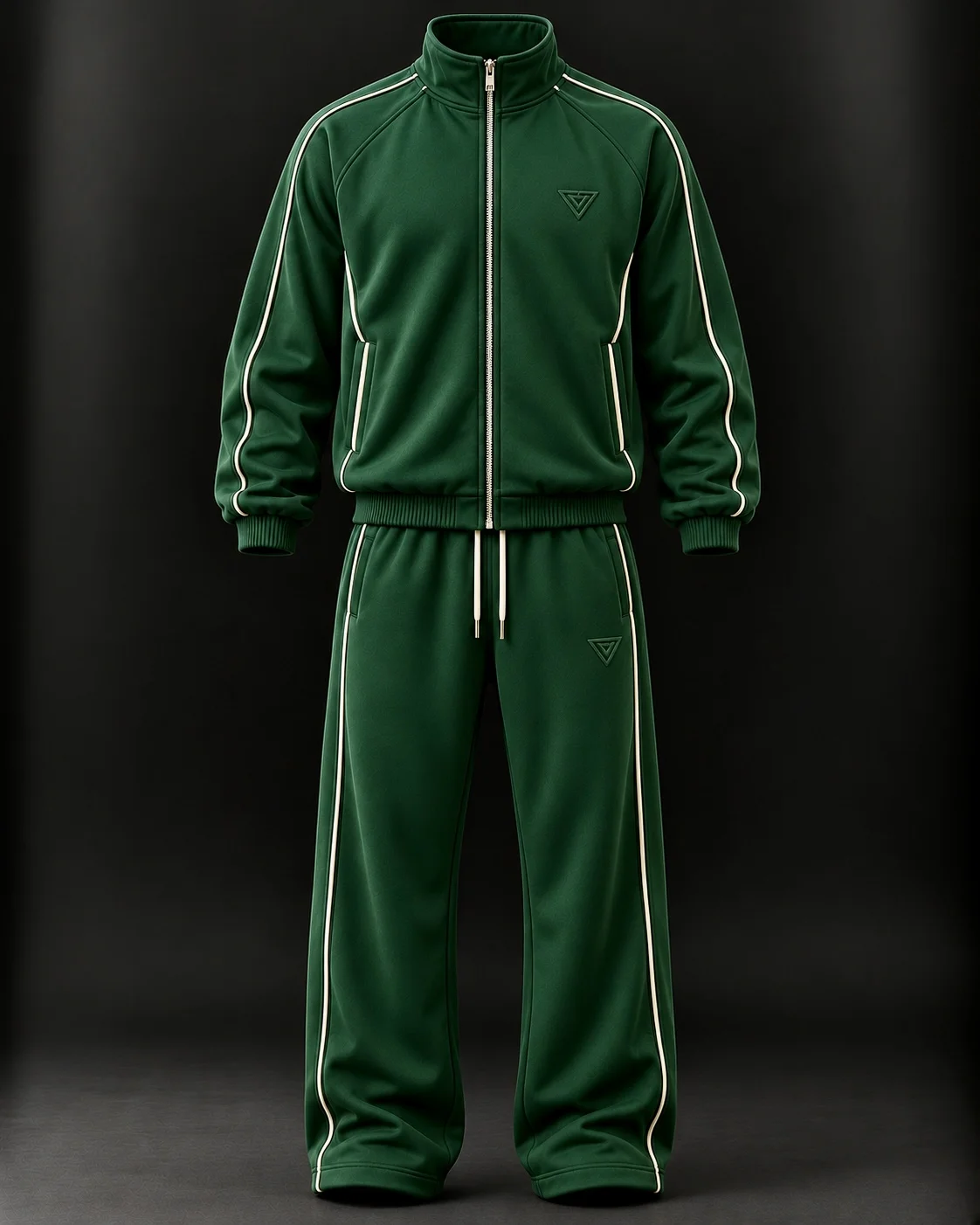
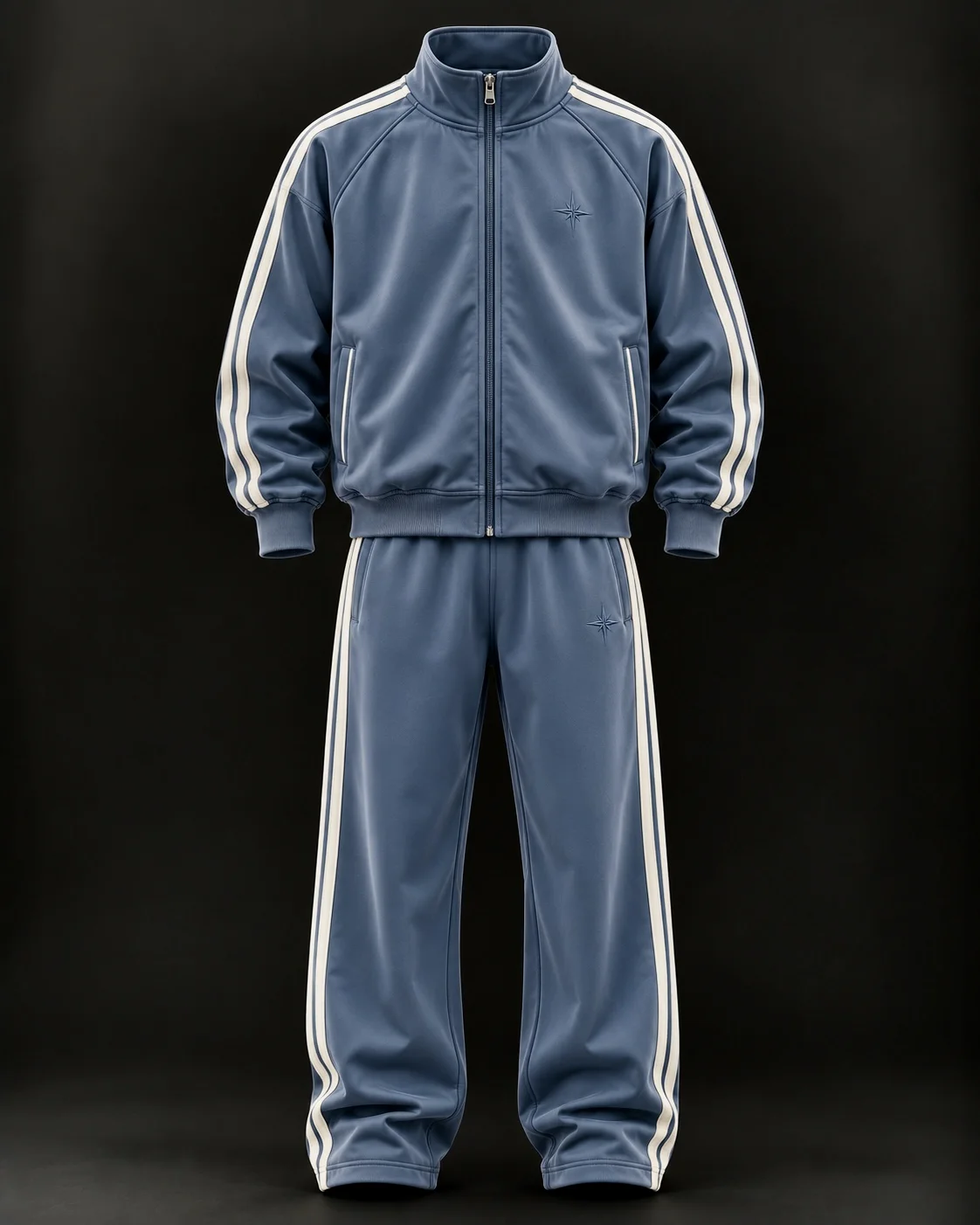
View Product Details : Classic Streetwear Tracksuit300 GSM · Oversized fit
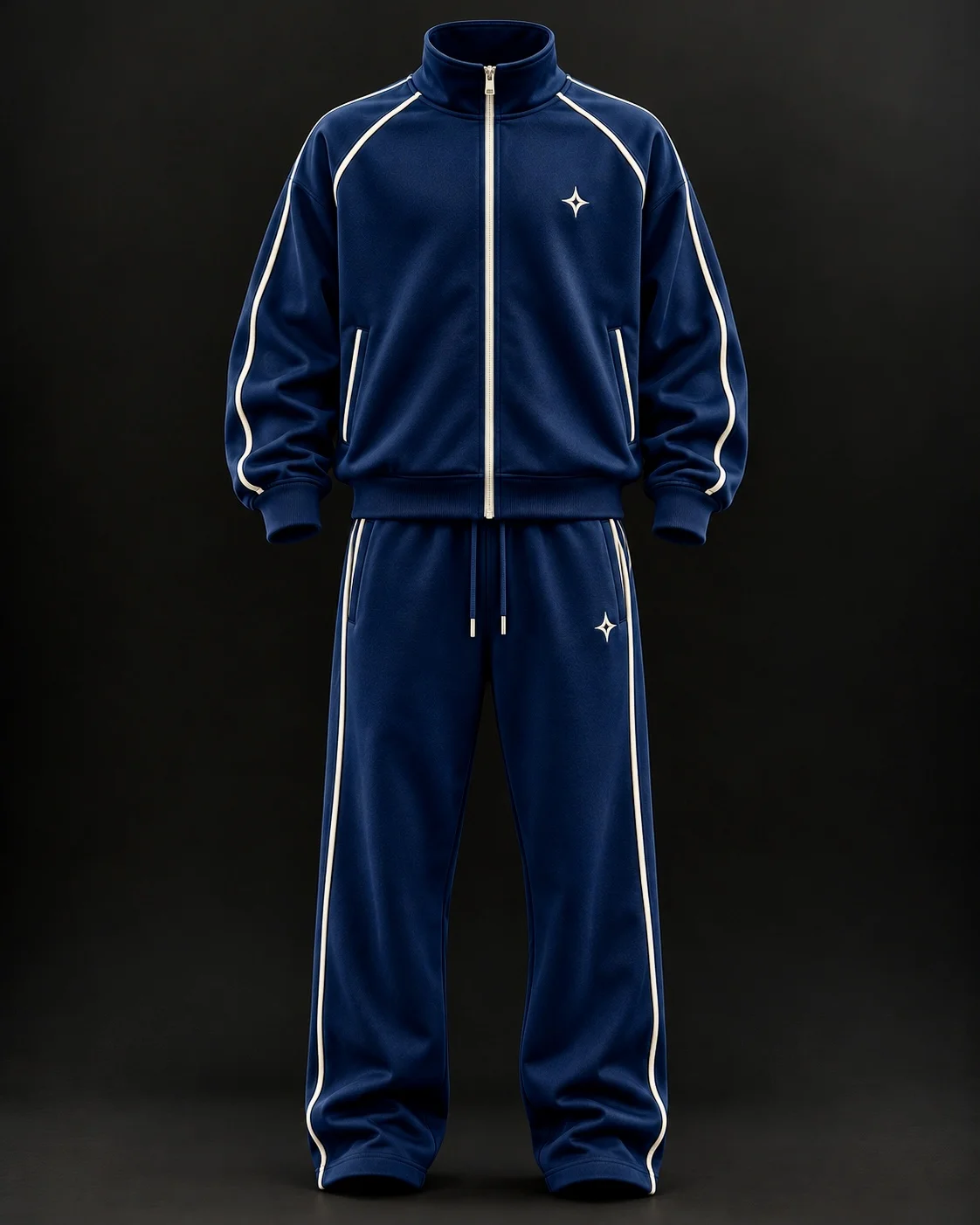
View Product Details : Oversized Tracksuit Set300 GSM · Regular fit
View Product Details : Embroidered Tracksuit280 GSM · Regular relaxed fit
View Product Details : Color Block Tracksuit300 GSM · Regular fit
View Product Details : Premium Interlock Tracksuit280-300 GSM · Relaxed fit
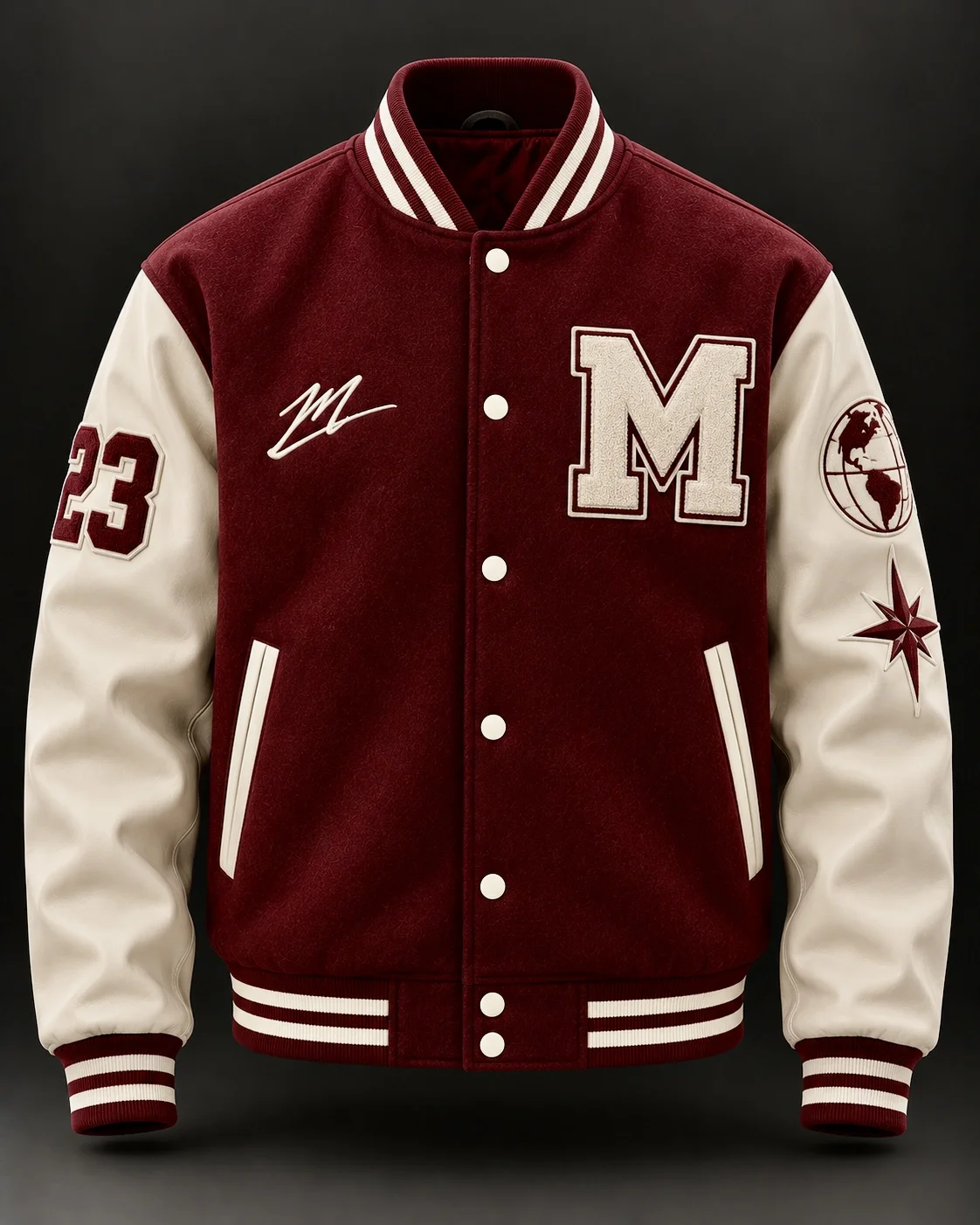
View Product Details : Relaxed Fit TracksuitApprox. 500 GSM body · Relaxed varsity fit
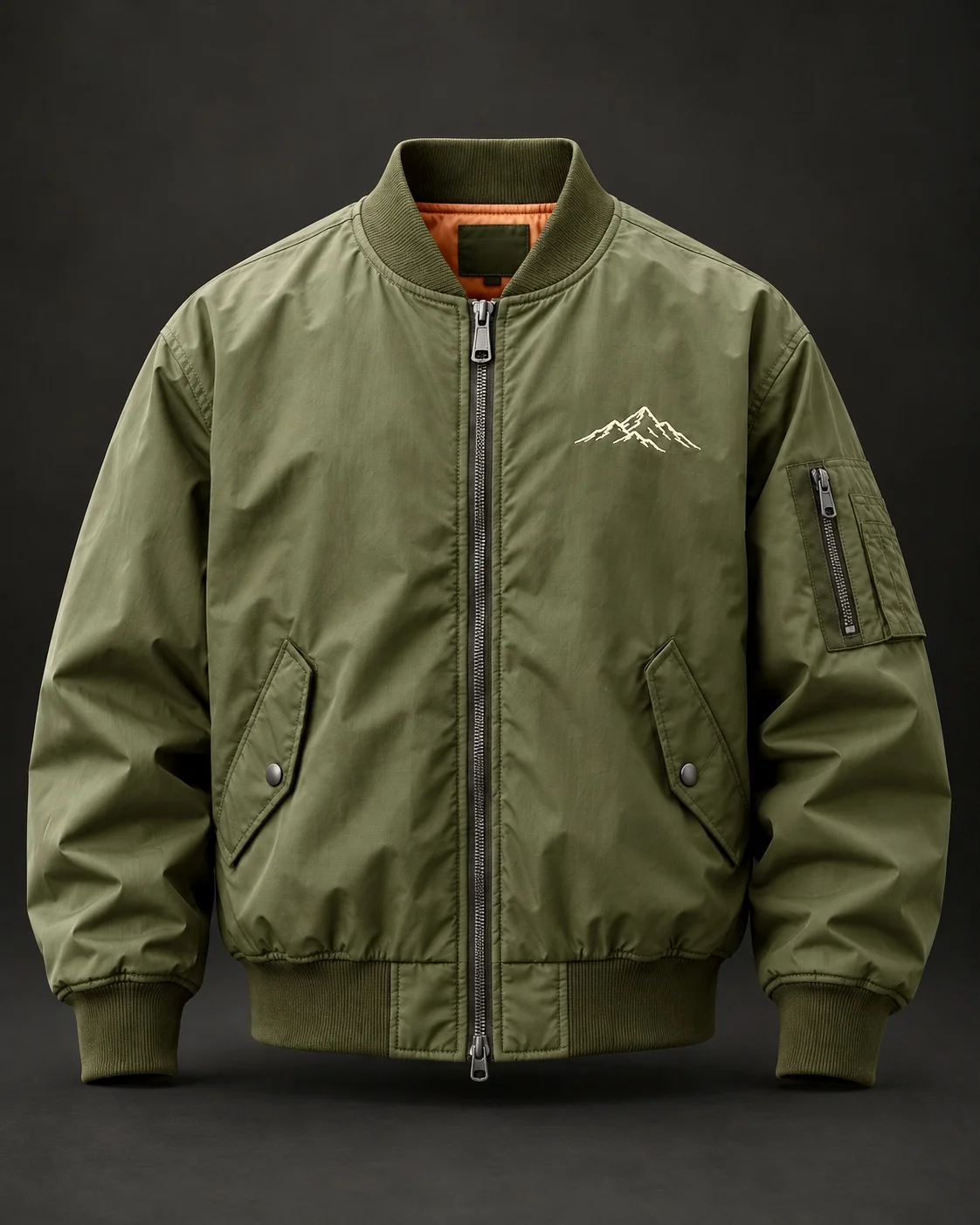
View Product Details : Varsity Jacket160-180 GSM · Regular relaxed fit
View Product Details : Bomber JacketThe catalog is a place to compare garment construction and prepare an inquiry. Start with the product closest to your intended fit, then note what you want to change. A wider body, shorter length, different neckline or new pocket arrangement needs its own measurements and construction details.
A garment name does not describe the whole fit. Two oversized T-shirts can have different shoulder widths, sleeve lengths and body proportions. Use the product specifications alongside a measurement chart or reference garment, rather than relying on the name or image alone.
Check composition, surface texture and construction as well as GSM. For a hoodie, decide whether the inside should be brushed fleece or loopback terry. For a T-shirt, consider how the body should hang and how the neck rib should sit. Record the fabric feel you want to review in a sample; weight alone will not explain it.
Keep the base garment specification clear, then add print, embroidery and label requirements. Include artwork dimensions, placement measurements and colors for each design. A front print and a small sleeve embroidery should be listed separately so both are included when the style is reviewed.
When your collection includes several products, give each one a style name or reference number. List quantities by color and size, and flag any shared fabric or branding details. This makes it easier to discuss the collection without mixing one garment's measurements with another's.
Browse the garment categories for related styles. If your design needs an original pattern, see custom cut and sew manufacturing. For artwork, garment labels and packing, use the private label production guide.
Yes. Use the quote form to describe the garment and attach a tech pack or clear reference images. Include measurements, material preferences and quantities so the construction and development work can be discussed.
Product details give you a starting point for discussion. Your own fabric, fit, decoration, quantities and packaging need to be confirmed in the quotation and approved sample. Ask for availability and production terms for the exact specification you intend to order.
Provide measurements for the sample size and explain how the remaining sizes should change. Review the agreed size chart, measurement points and tolerances before bulk approval. Read about sampling and product development for the checks to record.
Send the garment styles, fabric preferences and quantities you have in mind. Include your delivery country and any tech pack or reference images.