
Custom cut and sew
Develop the silhouette, seams and garment details from your own measurements and references.
Custom streetwear manufacturing, garment development and private label production for clothing brands planning orders for the USA, UK, Australia and other international markets.
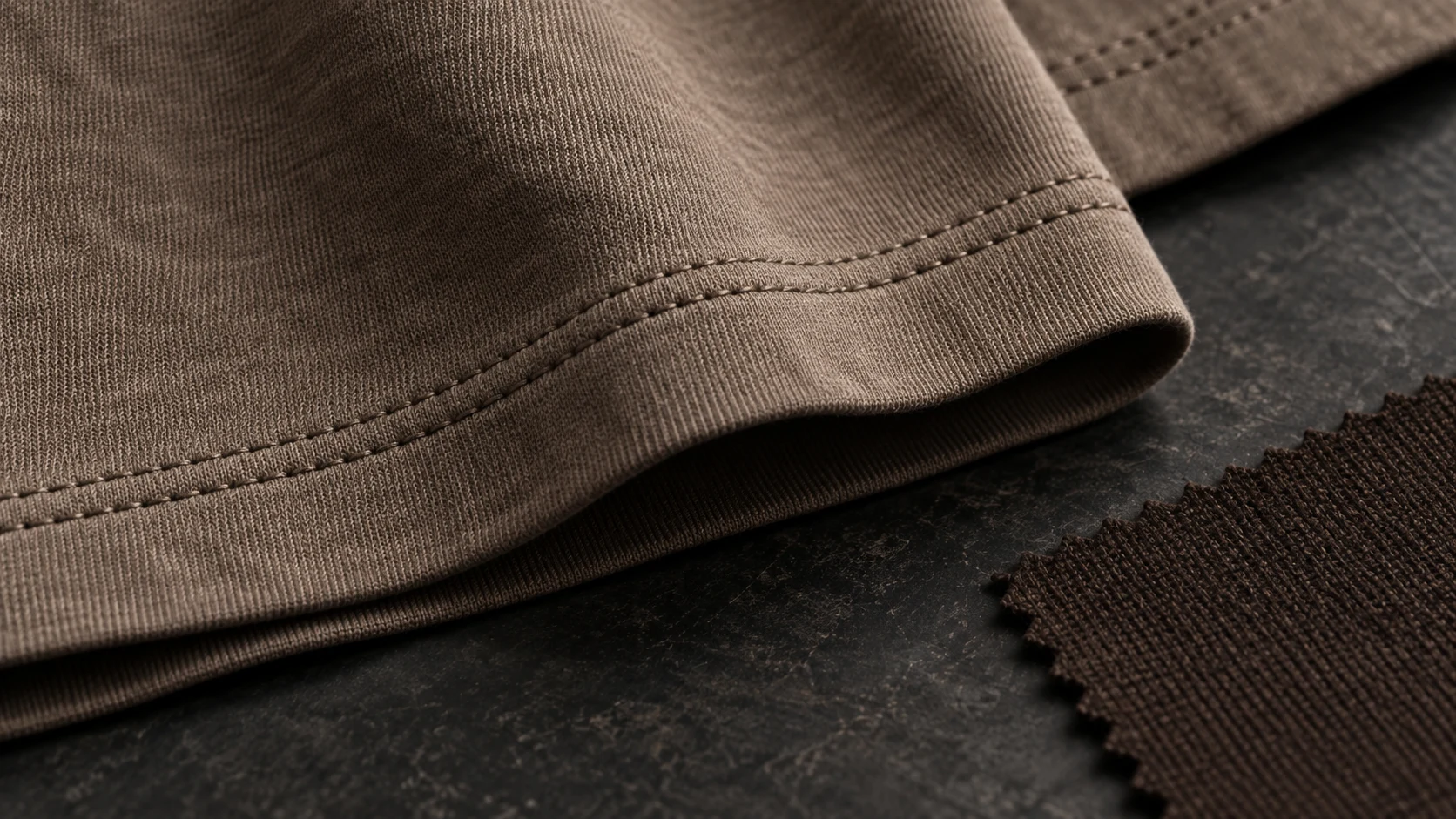
Right Gate Global manufactures T-shirts, hoodies and other streetwear styles from brand requirements. Share your designs, measurement chart or reference garments to discuss the materials and construction your collection needs.
Custom cut and sew development starts with the silhouette, fabric and finished measurements. Keep the patterns, trims and decoration requirements together in the production brief.
Use sample development to check fit, construction and artwork placement. Confirm revisions in writing before the approved sample becomes your bulk production reference.
Include printing, embroidery, garment labels, hang tags and packaging in the same brief. Our private label manufacturing guide explains the details to prepare.
Choose the garment construction and branding first, then confirm the development work and production requirements in your quotation.
Develop the silhouette, seams and garment details from your own measurements and references.
Compare composition, GSM, texture, finish and color availability for your intended use.
Record measurement points, fit requirements and size grading before approving the sample.
Review fabric, fit, construction and decoration on a sample before confirming the bulk specification.
Discuss artwork files, dimensions, placement and a decoration method suitable for the fabric.
Specify neck, size and care labels, hang tags and packing requirements for your collection.
Agree the quantities, inspection points and finishing details needed to reproduce the approved product.
Include the delivery country, packing requirements and shipping scope when you request a quote.
Use the development sample and an approved specification to record the fabric, fit and finishing you want to reproduce.
Send a tech pack or garment references, measurements, artwork, quantities and delivery country.
Discuss composition, GSM, finish, colors and the measurements needed for your intended fit.
Check construction, measurements and decoration. Collect requested changes in one revision list.
Confirm the sample, size chart, artwork placements, trims and labels before the bulk order.
Agree quantities by style and color, material availability, pricing and the production schedule.
Set measurement tolerances and inspection points against the approved garment specification.
Confirm care labels, folding, individual packing, carton quantities and any brand packaging.
Review the destination, shipping scope, documentation and delivery terms for the order.
Agree measurement points, tolerances, fabric and finishing requirements. Keep the approved sample and specification available when reviewing production.
Share the delivery market, packing needs and launch window with your brief. See order planning for USA brands, UK brands and Australian brands.
Ask for minimum quantities by style and color, sample terms, production timing, packaging and the shipping scope. Those details need an order-specific agreement.
A clothing project involves choices about the product and its commercial terms. Keep a written record of both as your designs develop.
Bring the garment idea, intended customer and fit you want to achieve. A tech pack is useful, but clear sketches, measurement notes and reference garments can also explain the design. Mark which details are essential and which you want to discuss.
Give each style its own reference name. For a collection with several garments, list shared fabrics or branding separately from details that belong to just one style.
Turn the references into specific material, construction and measurement requirements. Include trims, artwork, labels and packing early enough to discuss them alongside the garment.
When reviewing a sample, collect feedback into one list and identify the version of the specification it refers to. A clear revision record helps explain what was accepted and what still needs changing.
Before bulk approval, review quantities by style, color and size together with the final product specification. Check which development work, branding, packaging and delivery arrangements are included in the quotation.
If a launch date matters, say whether it is the date you need the goods to arrive or the date you expect dispatch. Discuss the production and delivery schedule against that requirement before confirming the order.
Open the garment categories to browse T-shirts, hoodies and sweatshirts, tracksuits, jackets, pants and joggers, and shorts. The product catalog gives style references and specifications you can use to explain your own collection.
Read the manufacturing guides for fabric, fit, sampling and branding decisions, or send a question about your project. When you are ready, use the quote form to share the garment brief, quantities and delivery country together.
Send the garment styles, fabric preferences and quantities you have in mind. Include your delivery country and any tech pack or reference images.