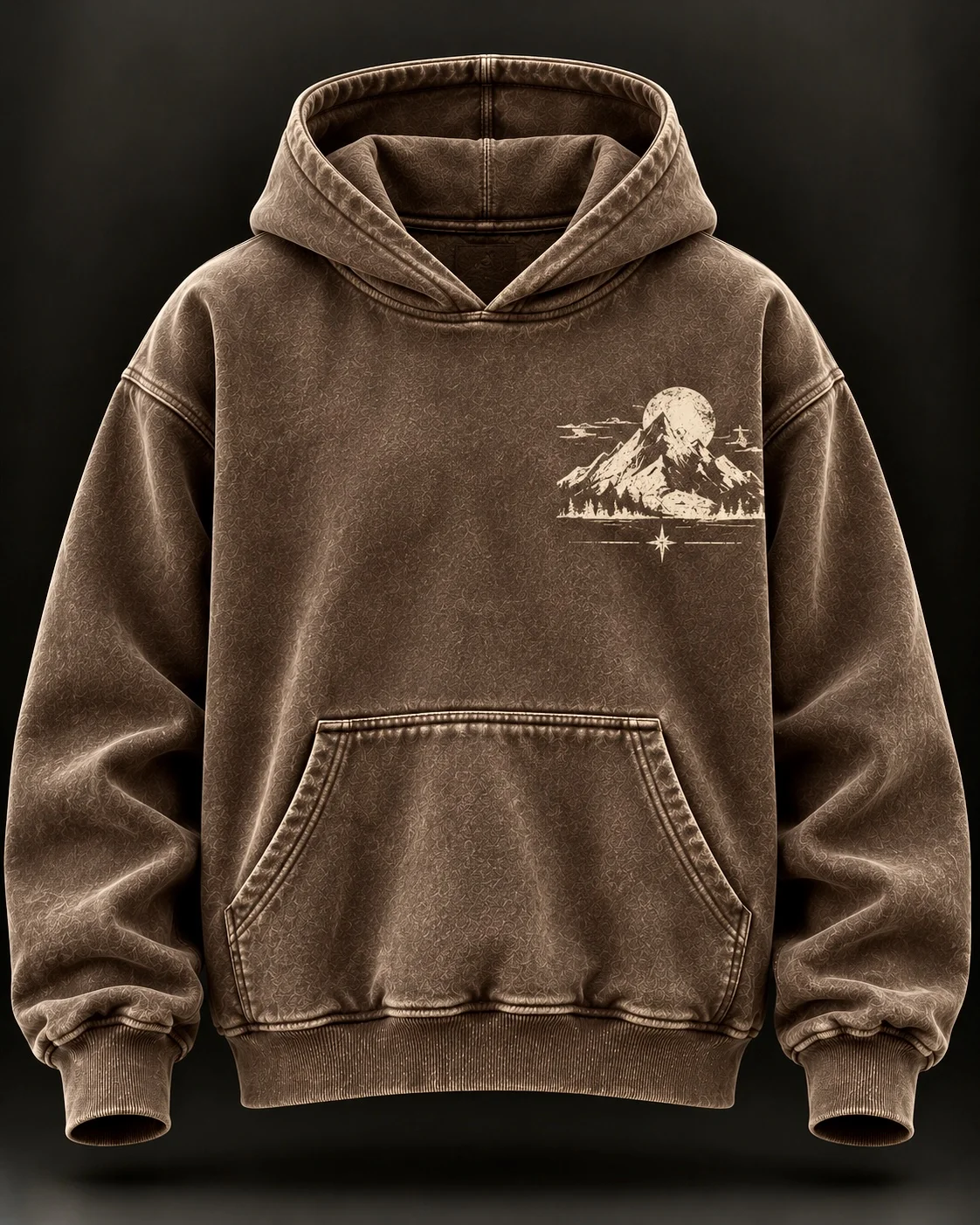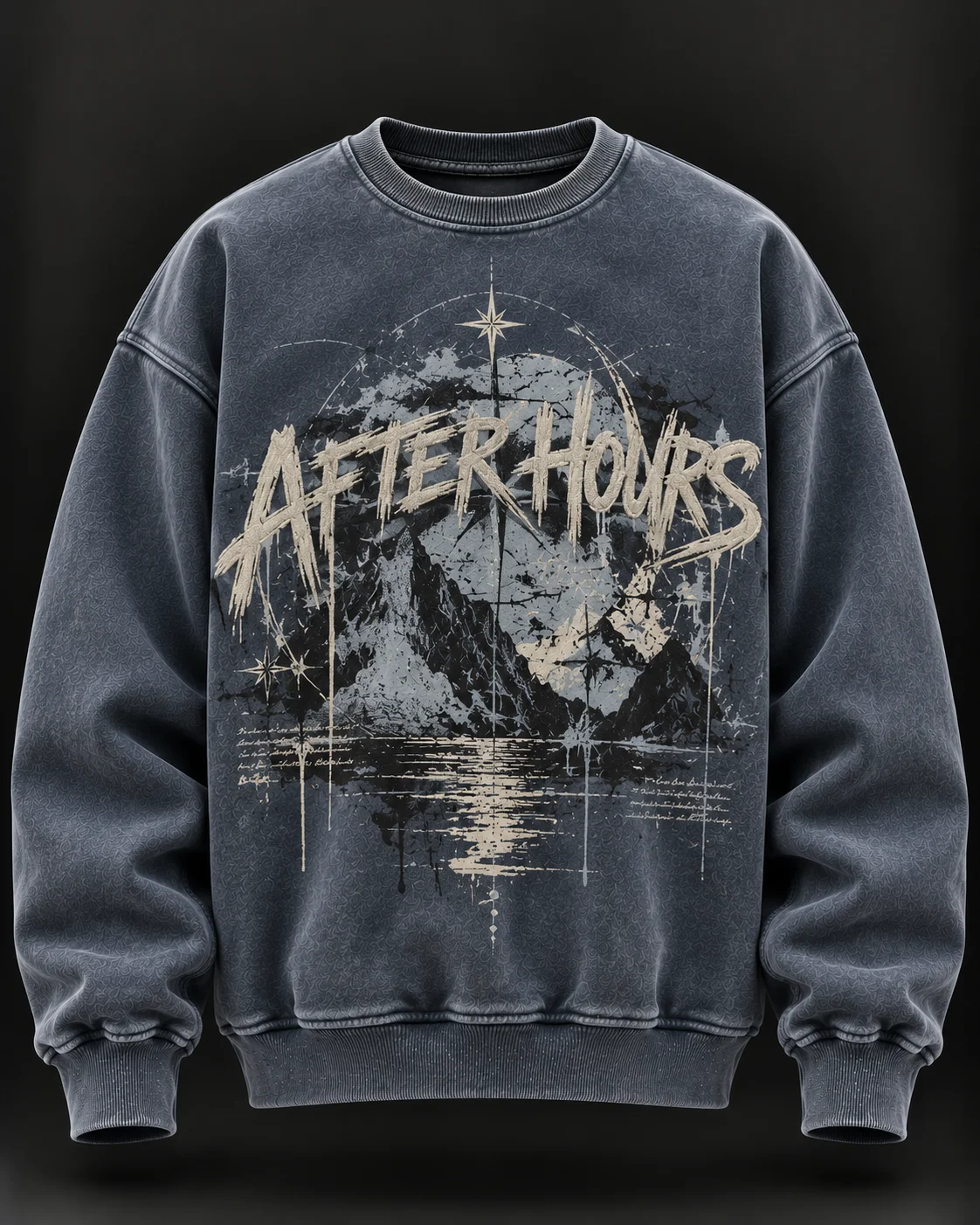
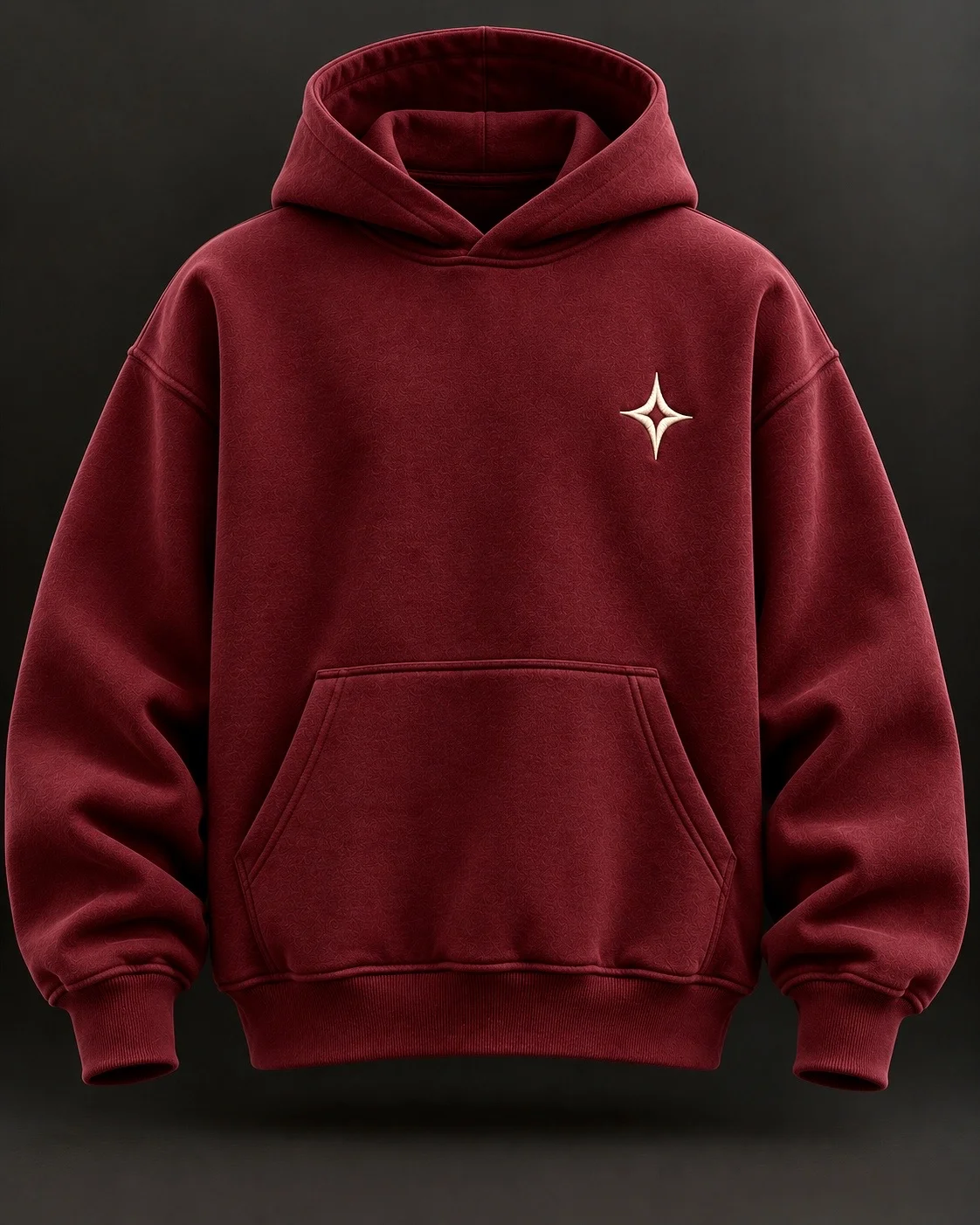
Heavyweight Pullover Hoodie
420 GSM · Oversized fit
View Product Details : Heavyweight Pullover HoodieDevelop hoodies and sweatshirts with your selected fleece or terry, body proportions, rib trims and artwork. Define hood, pocket or zipper details alongside the garment chart so the sample covers the full construction.
420 GSM · Oversized fit
View Product Details : Heavyweight Pullover Hoodie400 GSM · Oversized fit
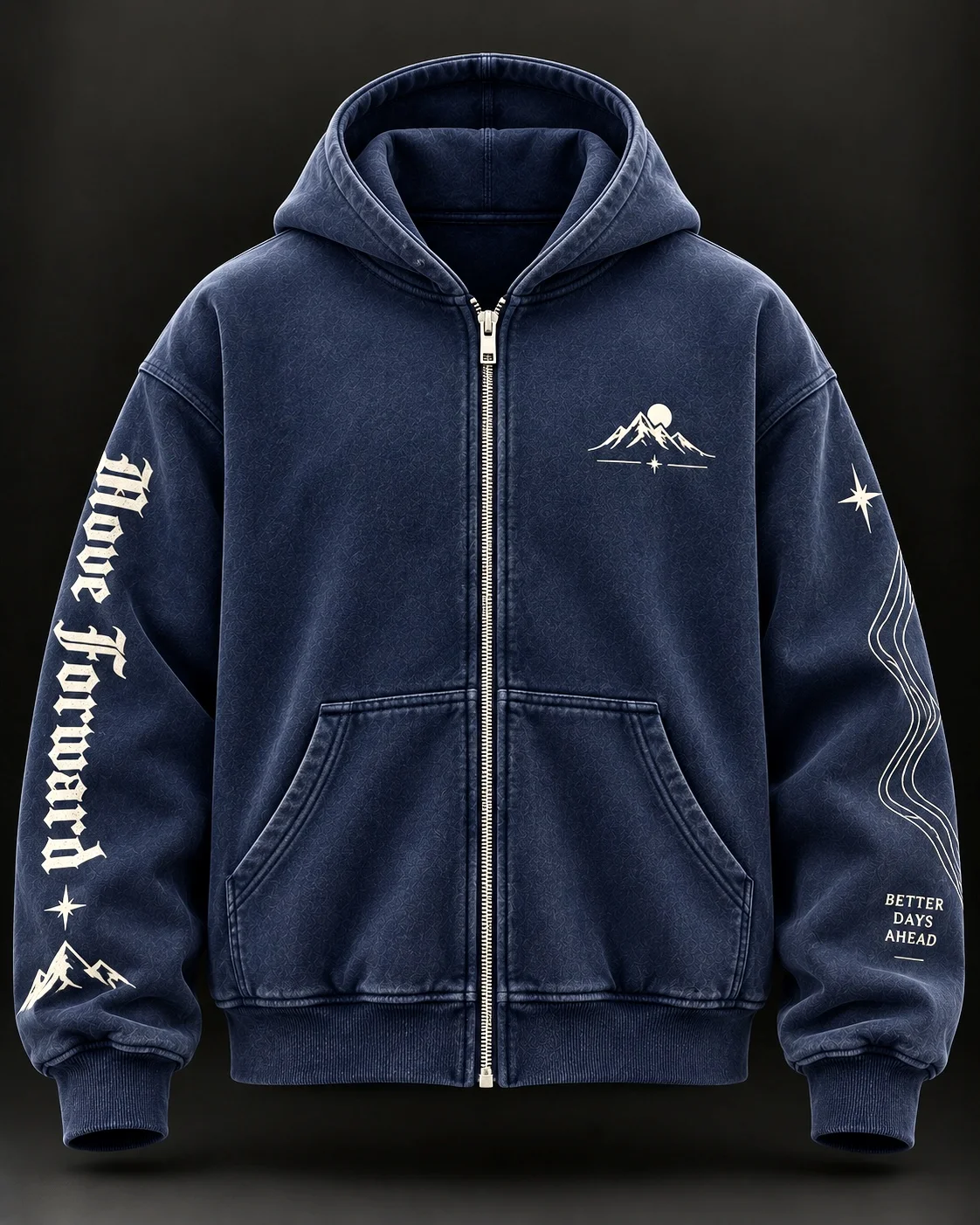
View Product Details : Oversized Zip-Up Hoodie420 GSM · Relaxed oversized
View Product Details : Vintage Washed Hoodie380 GSM · Relaxed fit
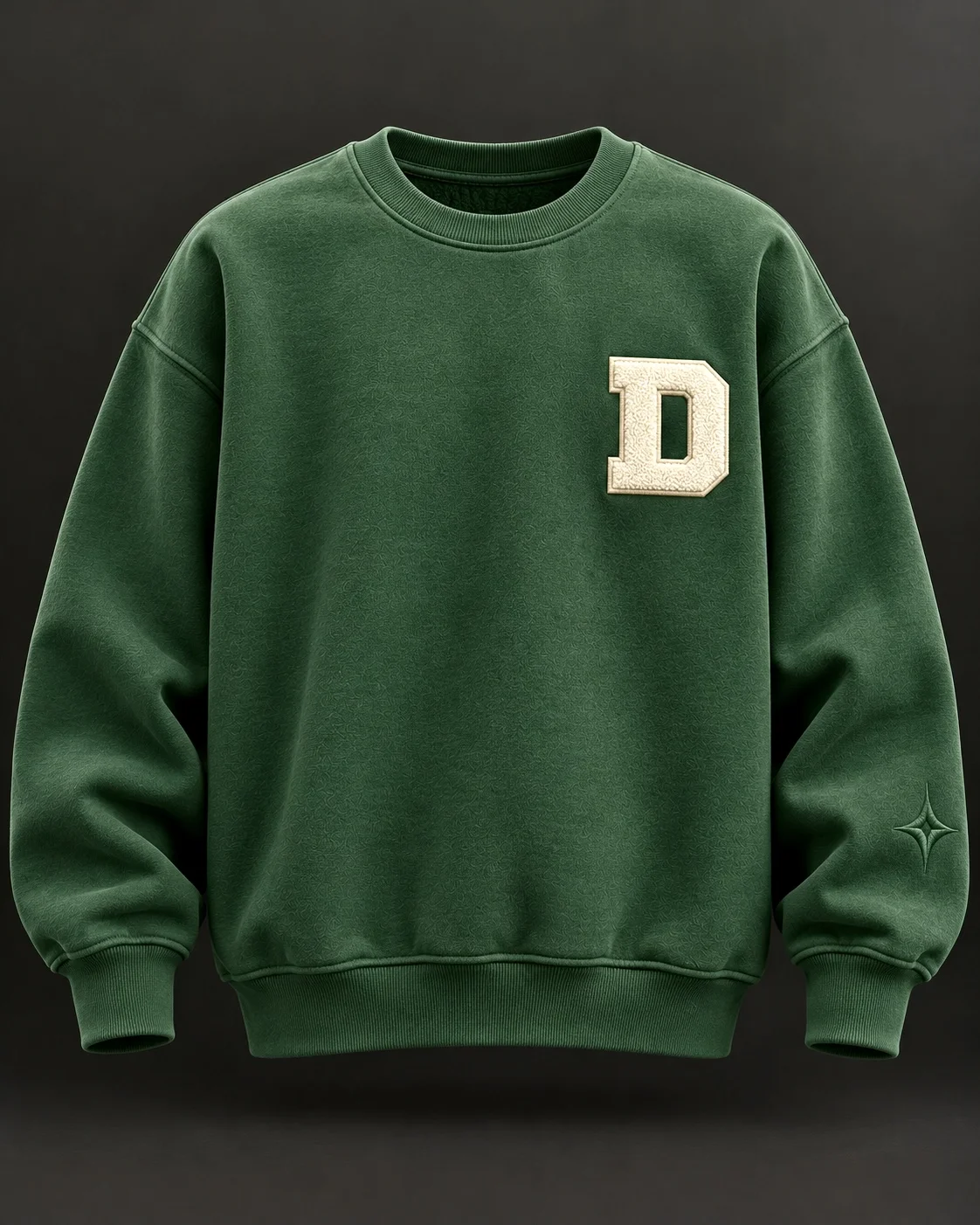
View Product Details : Crewneck Sweatshirt420 GSM · Oversized drop-shoulder fit
View Product Details : Drop Shoulder Hoodie380 GSM · Relaxed streetwear fit
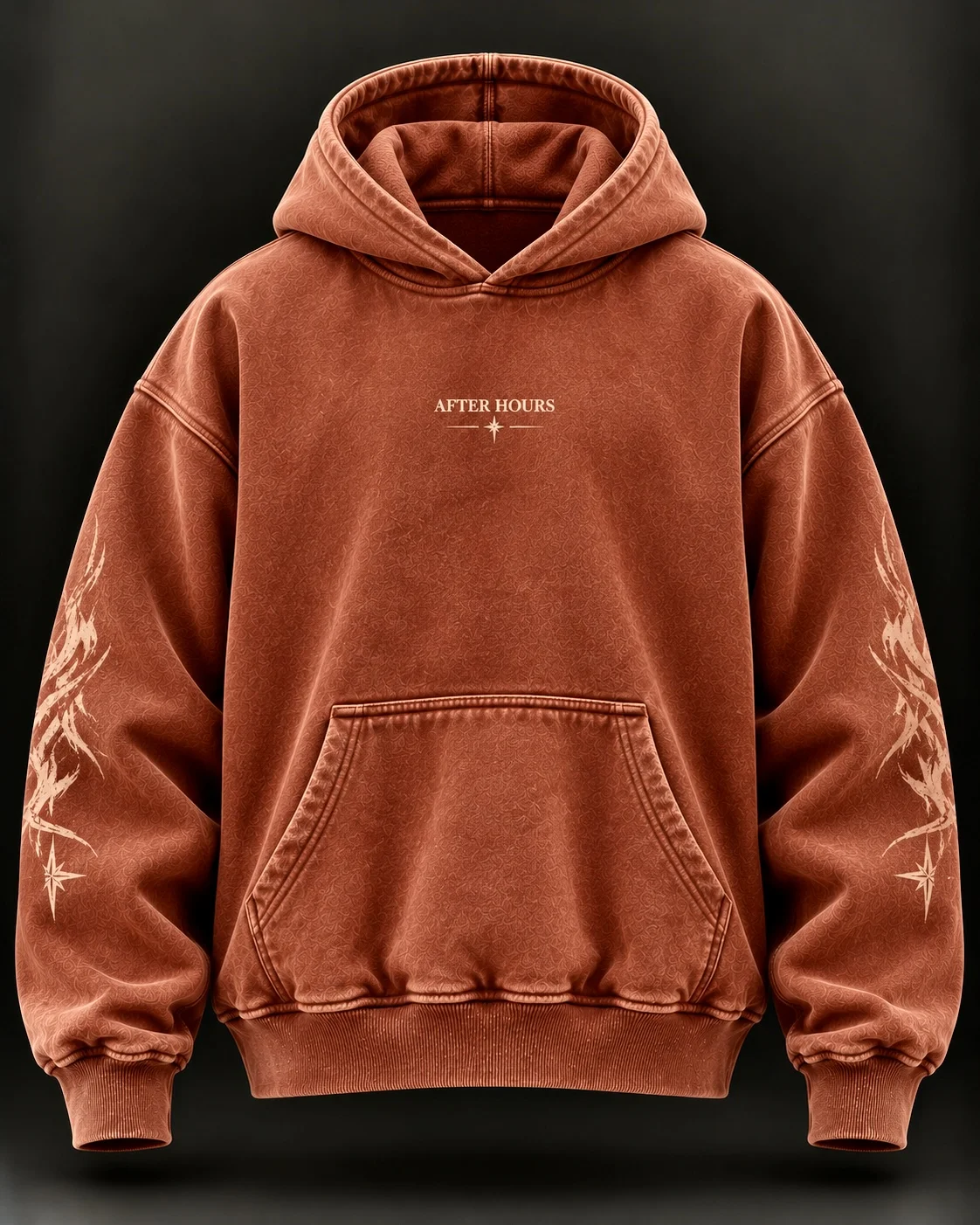
View Product Details : Graphic Streetwear SweatshirtA roomy hoodie can have a short body, long sleeves or a deep hood; those choices need separate measurements. Set chest width, shoulder position, body length and sleeve dimensions first. Give cuffs and the hem rib their own widths and lengths because they control how the surrounding fabric gathers and sits.
A crewneck sweatshirt replaces the hood discussion with neckline shape and rib attachment. A pullover needs an opening that can be reviewed when putting on the garment, while a zip hoodie needs front-panel alignment and zipper construction. Mark the intended sample size and base layer so fit feedback has a clear context.
Compare French terry loops and brushed fleece through actual material references. Composition, weight, surface handle and inside finish are separate decisions. A stated GSM does not describe every part of the fabric or settle how the hood will rest at the back neckline.
Identify whether the hood is self-fabric, lined or uses another construction for discussion. Include the proposed rib material and color reference with the body fabric. If a garment wash is requested, review its effect on seams, ribs, trims and final dimensions as well as the overall shade. Sample development brings those components into the same approval record.
For a kangaroo pocket, specify width, height, access openings and position relative to the hem. On a zipped design, show both pockets with the garment closed. Include zipper length, finish and attachment details so a later component change can be assessed against the approved front construction.
Give artwork a measured position around the hood, pocket and opening. A graphic that crosses a zipper needs its own decorated reference; a pullover mockup cannot show the separation. Embroidery should be reviewed for appearance and inside backing on the chosen material. Add label dimensions and attachment locations with the same approved artwork files.
Try the sample over the intended layer, open and closed where relevant. Inspect the hood when raised and lowered, pocket access and how sleeves meet cuffs. Compare flat measurements afterward. Record a specific affected area and proposed change rather than writing only that the fit should be more oversized.
If rib dimensions, material or hood layers change, review their effect on the garment again. Keep final measurements, component references and artwork together. A quantity breakdown by size and color, delivery destination and packing instructions makes the quotation more useful; private label manufacturing explains the branding details to prepare.
Send the garment styles, fabric preferences and quantities you have in mind. Include your delivery country and any tech pack or reference images.