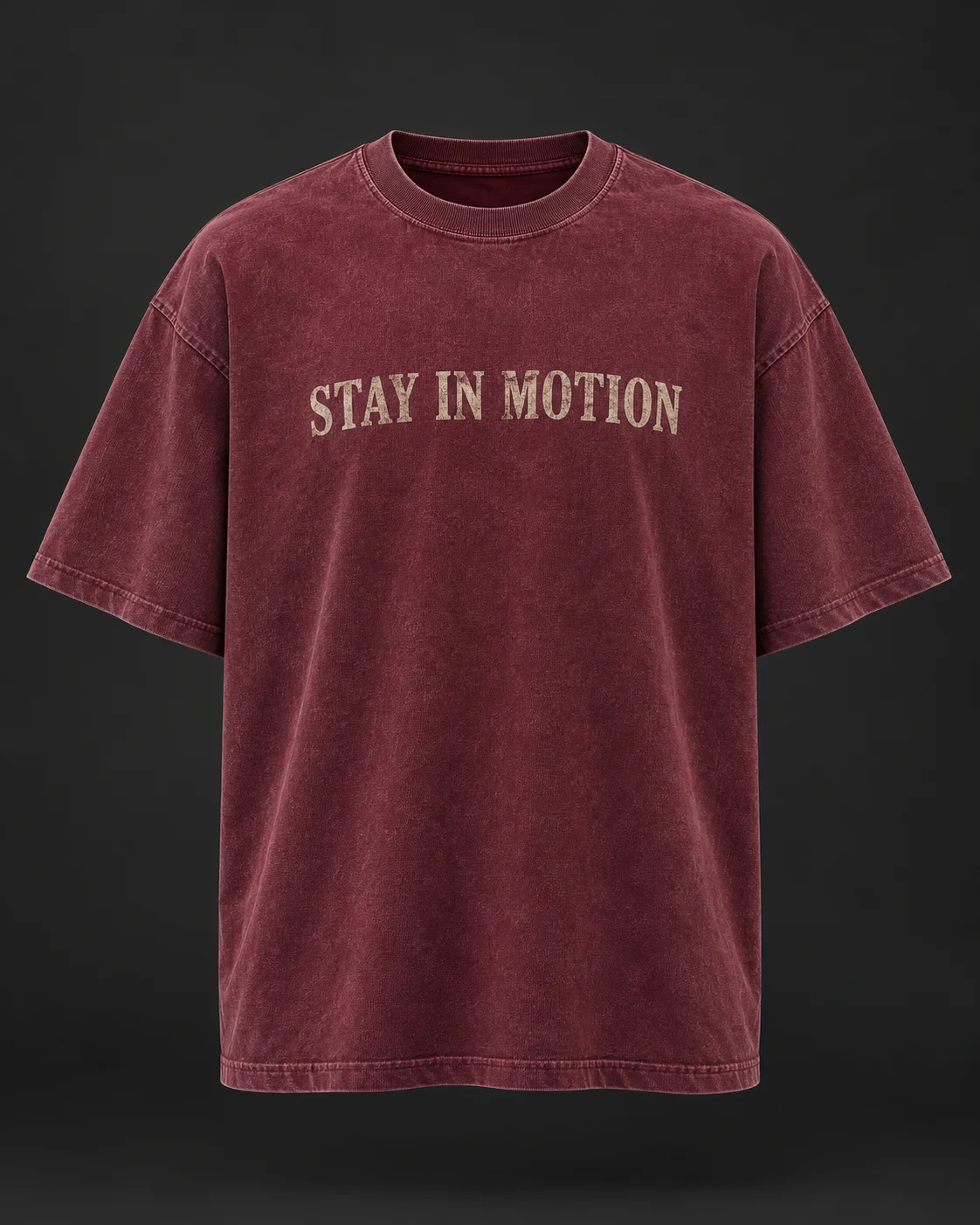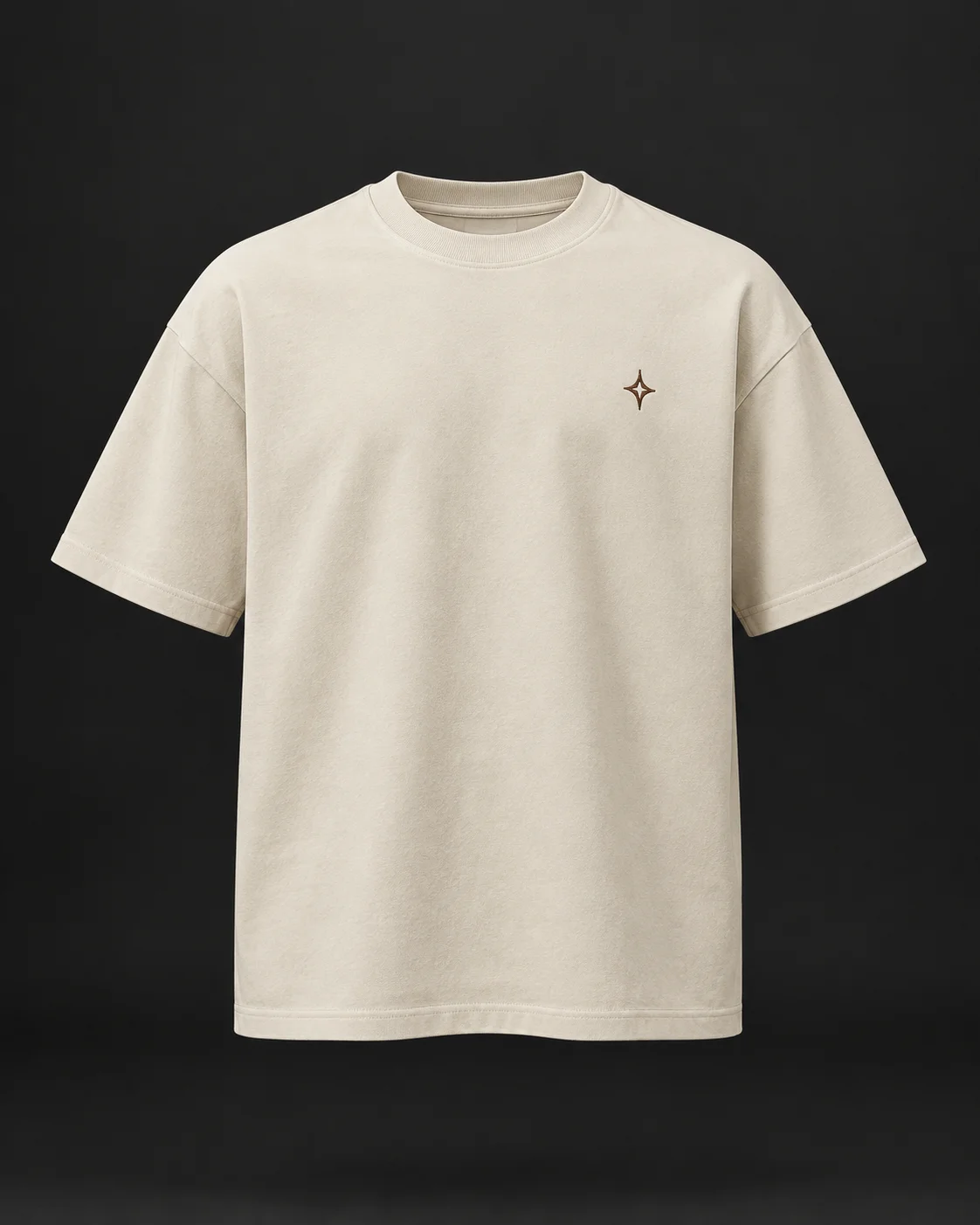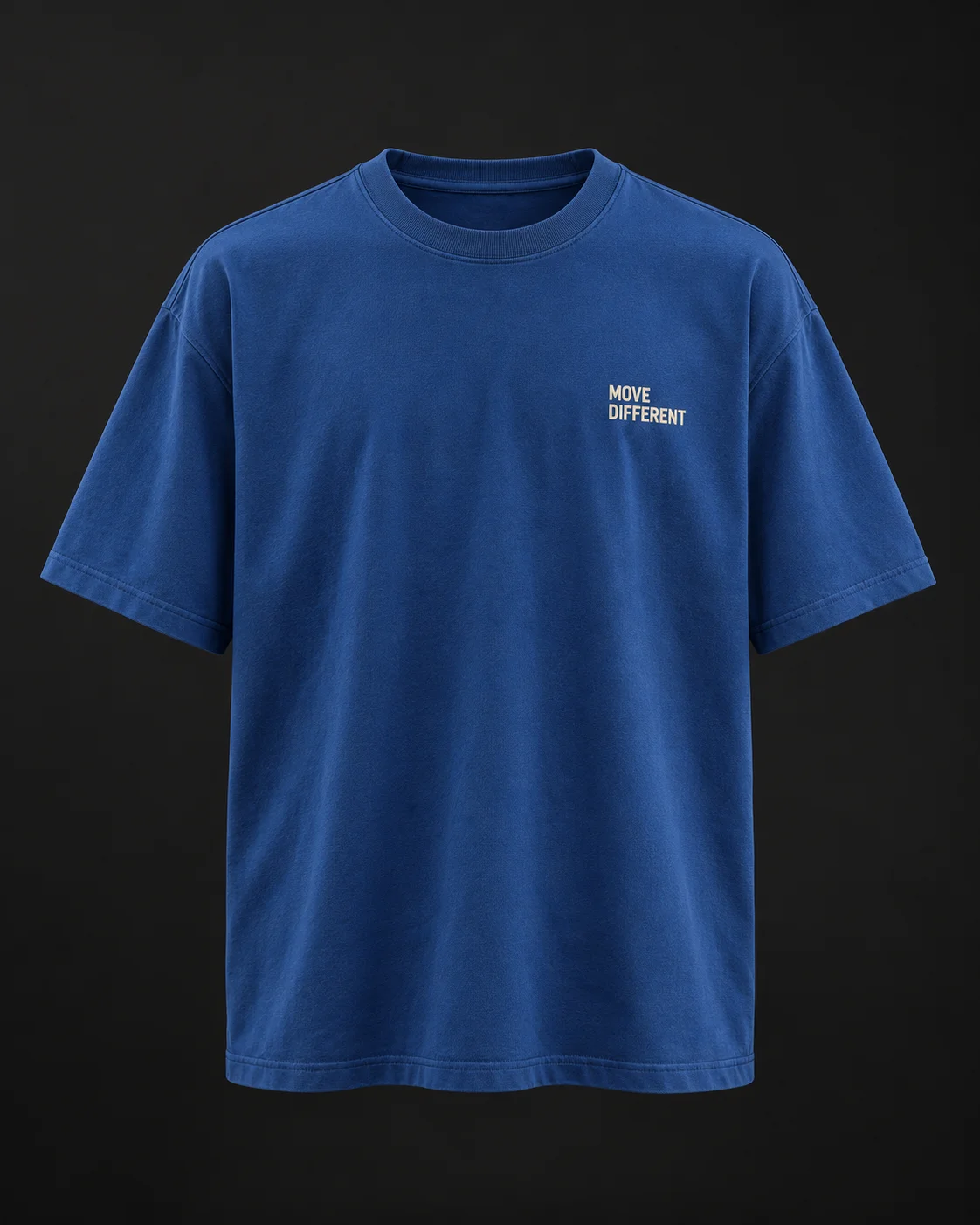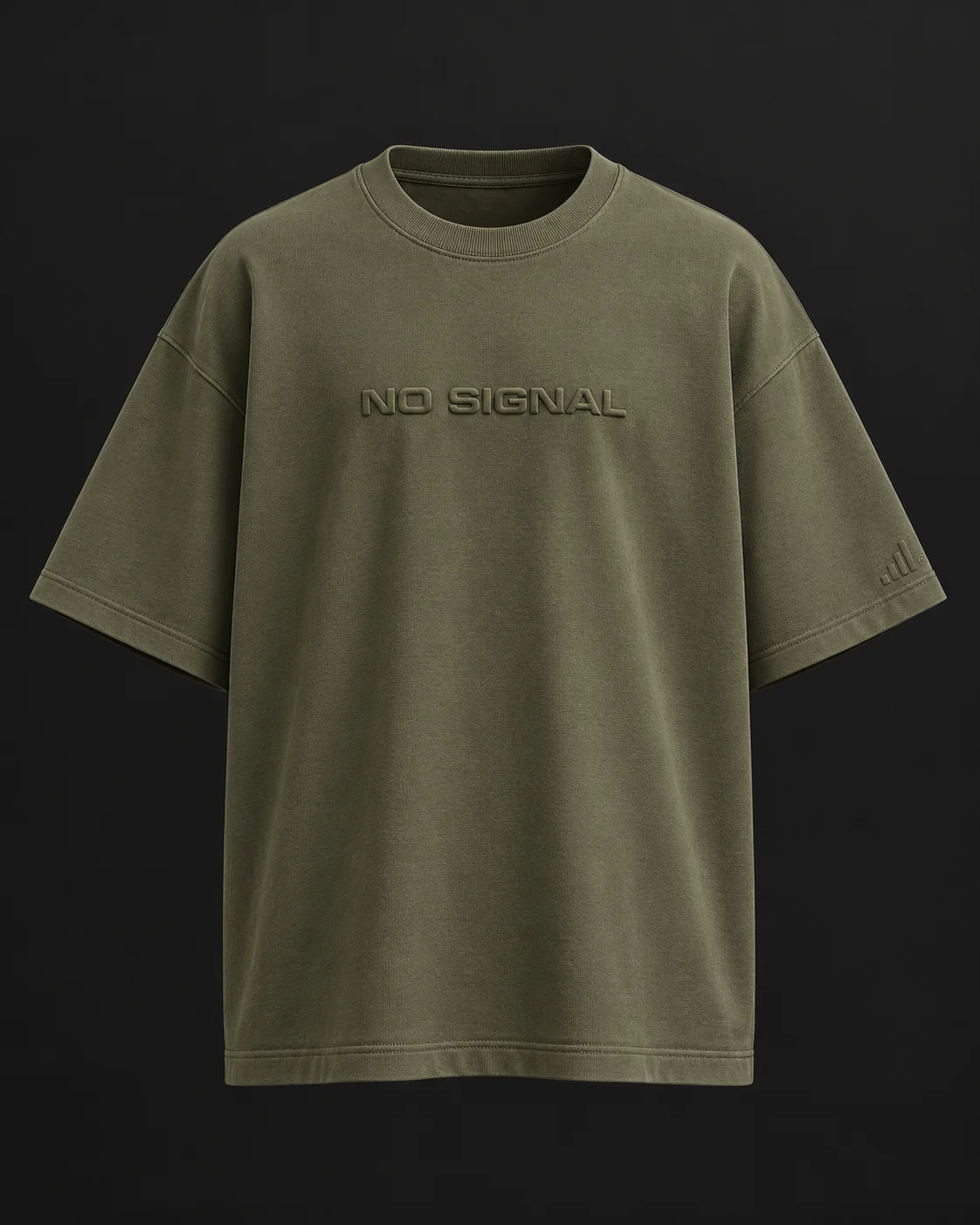
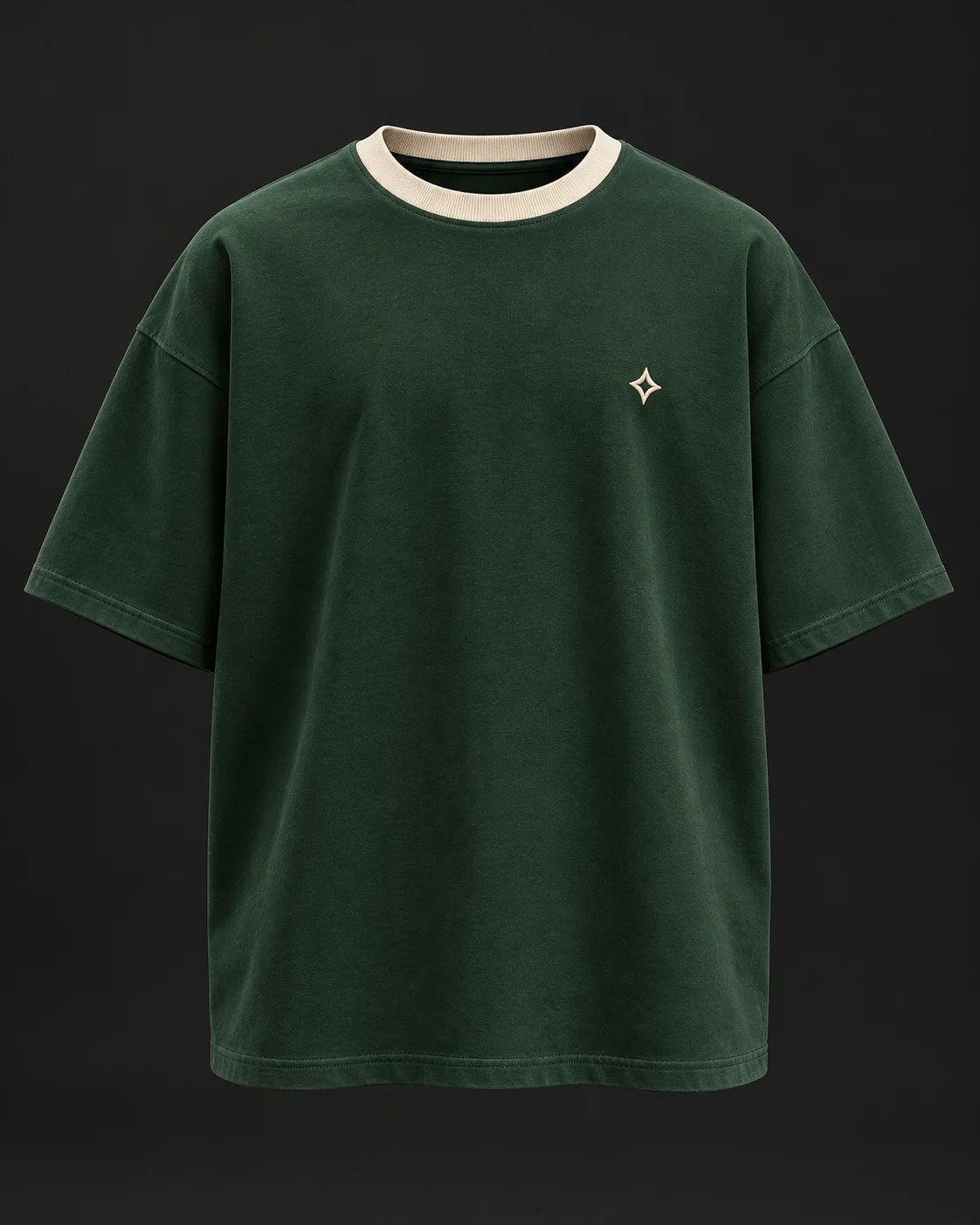
Oversized Heavyweight T-Shirt
260 GSM · Oversized
View Product Details : Oversized Heavyweight T-ShirtPlan custom T-shirts with a defined jersey, garment measurements and artwork. Compare oversized, boxy, drop-shoulder, washed and long-sleeve designs, then review neckline, hems and decoration on a development sample.
260 GSM · Oversized
View Product Details : Oversized Heavyweight T-Shirt200-260 GSM · Relaxed oversized
View Product Details : Vintage Washed T-Shirt240 GSM · Boxy fit
View Product Details : Boxy Fit T-Shirt200-240 GSM · Relaxed streetwear fit
View Product Details : Graphic Streetwear T-Shirt240-260 GSM · Oversized drop-shoulder fit
View Product Details : Drop Shoulder T-Shirt220-240 GSM · Relaxed fit
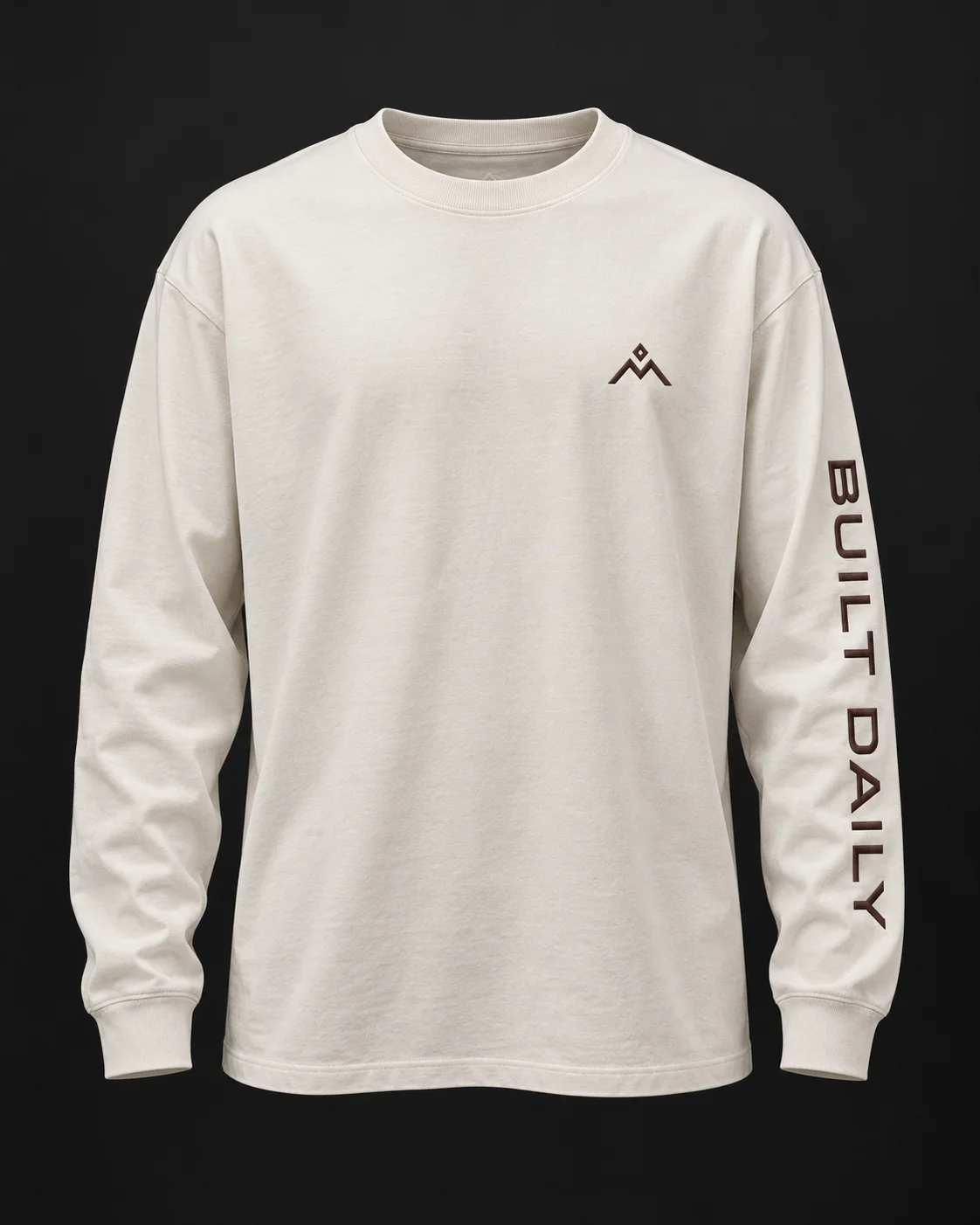
View Product Details : Long Sleeve Streetwear T-ShirtAn oversized tee, a shorter boxy tee and a long-sleeve style need different measurement discussions. Set chest width, body length, shoulder position and sleeve shape separately. If you use a reference garment, identify its size and say which features should be retained or changed. A front image alone cannot show the back length, neck opening or sleeve construction.
For drop-shoulder designs, agree where sleeve length begins. Extending the shoulder while leaving the same sleeve length can change the finished reach. For boxy designs, mark where the hem should sit and whether the front and back are level. These details help turn a visual idea into a chart that can be checked on the sample.
State the proposed composition and GSM where known, together with color and finish. A heavier jersey can support a different outline, but its yarn, knit structure and finishing also affect feel and drape. A physical swatch provides information that a weight number or screen image leaves out. Keep unselected material details marked for review.
A washed tee needs a reference for the completed appearance. Show overall shade, color distribution and close seam details, then discuss acceptable variation. The finished garment should be measured at the agreed stage so the fit chart describes the product after its selected treatment. The sampling process provides a place to review material and pattern decisions together.
Specify the neck-rib width, opening shape, attachment and hem finish. Include artwork dimensions, color references and placement measured from a garment point. A graphic may stay the same size throughout the range or need separate versions; make that decision visible rather than leaving it to a mockup.
Screen print, DTG or DTF requests should be reviewed against the selected fabric, finish and artwork. The actual decorated sample shows placement and surface feel. If the fabric or wash sequence changes, confirm whether the decoration needs another review before retaining its approval.
Review the tee flat and worn, noting chest and length measurements, sleeve shape and neckline behavior. If washing is included in approval, agree the care method and record measurements and appearance before and after it. Retain the approved sample alongside the swatch and artwork version.
Supply quantities by style, color and size, with label files, packing instructions and delivery destination. MOQ, sample cost, material availability and timing depend on the individual brief. Private label planning covers the brand details to include, and a quote request can identify which choices still need discussion.
Send the garment styles, fabric preferences and quantities you have in mind. Include your delivery country and any tech pack or reference images.