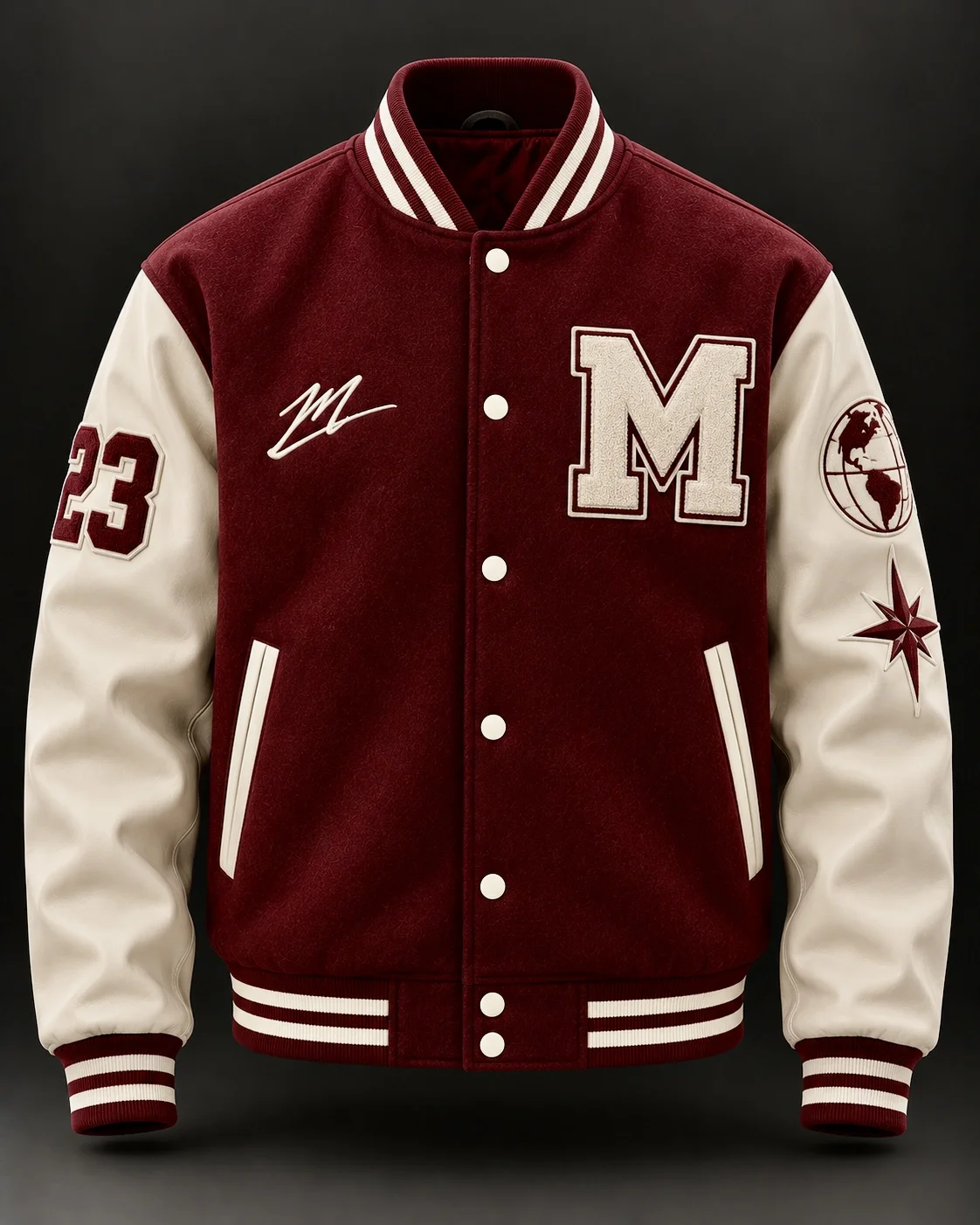
Varsity Jacket
Approx. 500 GSM body · Relaxed varsity fit
View Product Details : Varsity JacketDevelop varsity, bomber, coach, track, windbreaker and puffer jackets from a clear shell and construction brief. Define lining, trims, pockets and layering measurements, with functional requirements stated for separate review.
Approx. 500 GSM body · Relaxed varsity fit
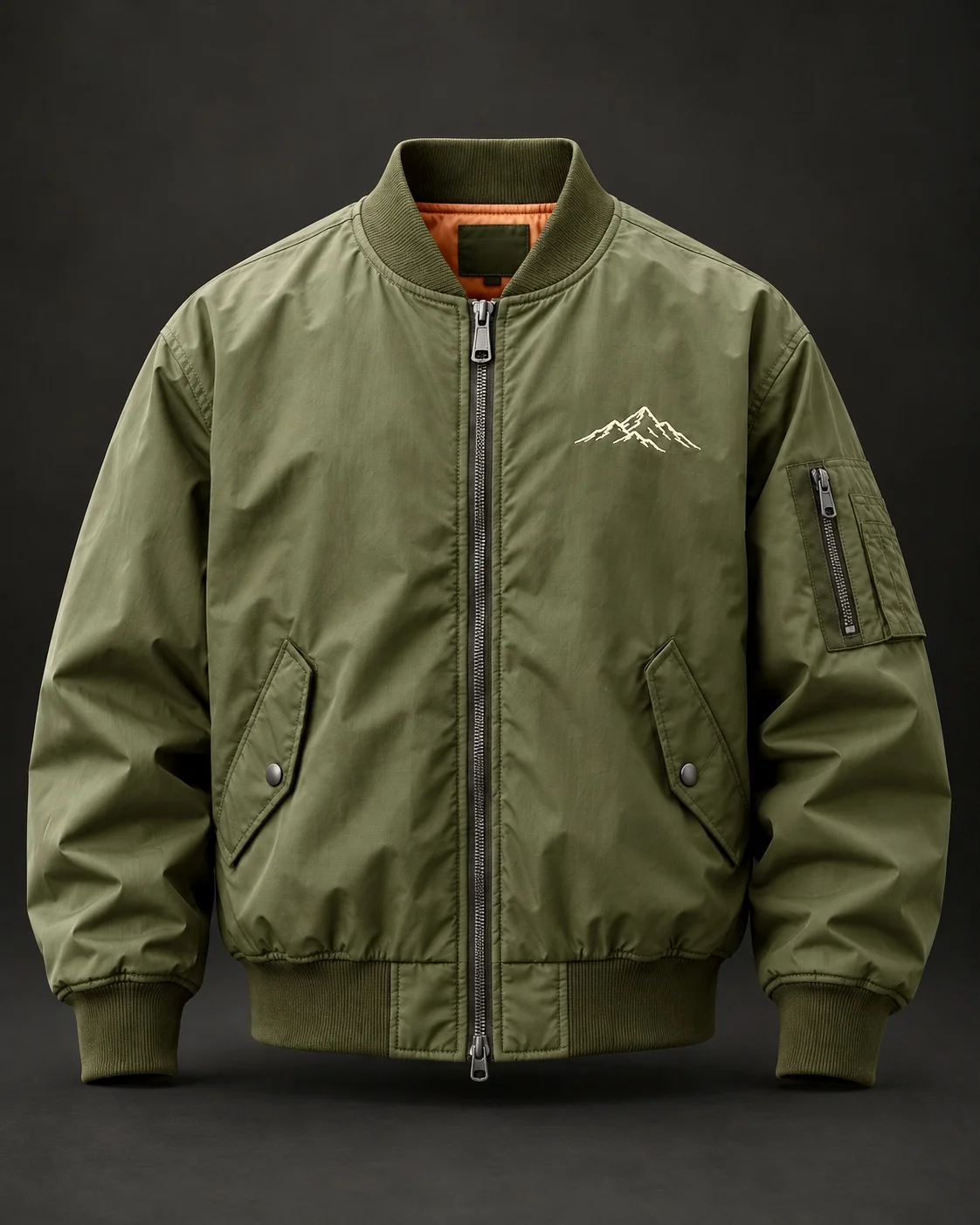
View Product Details : Varsity Jacket160-180 GSM · Regular relaxed fit
View Product Details : Bomber Jacket90-130 GSM · Regular fit
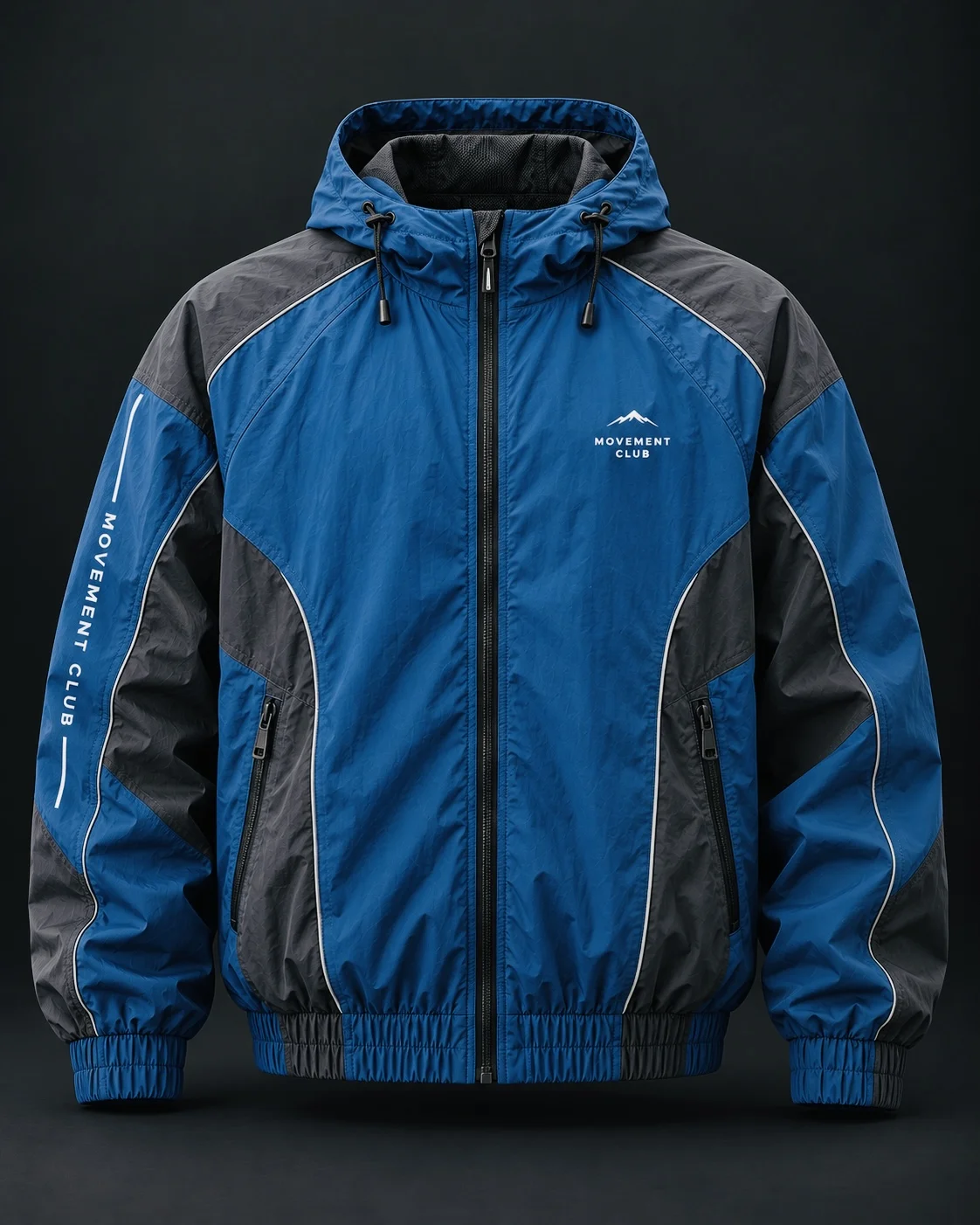
View Product Details : Windbreaker JacketApprox. 120 GSM shell + insulated fill · Relaxed fit
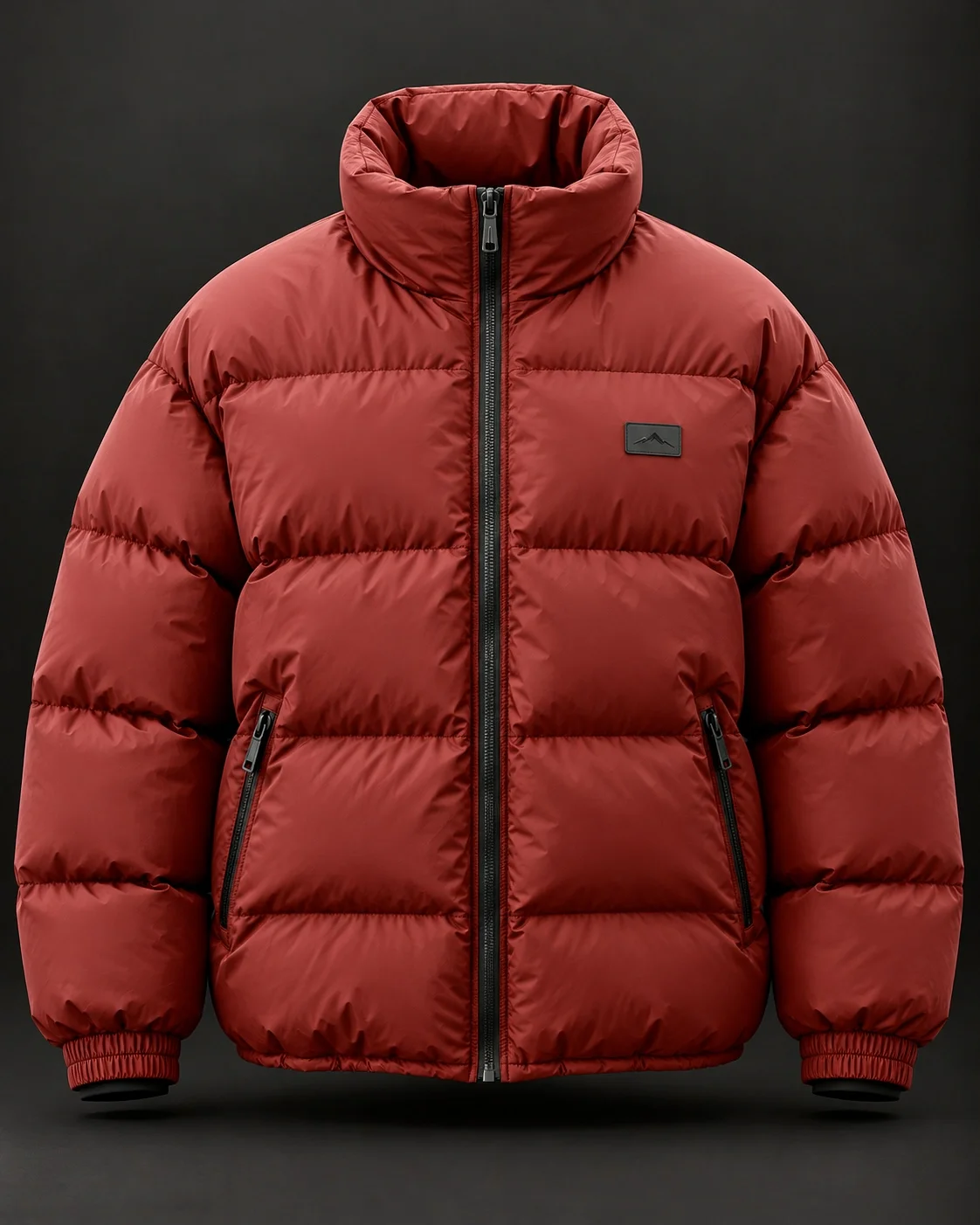
View Product Details : Puffer Jacket140 GSM · Regular fit
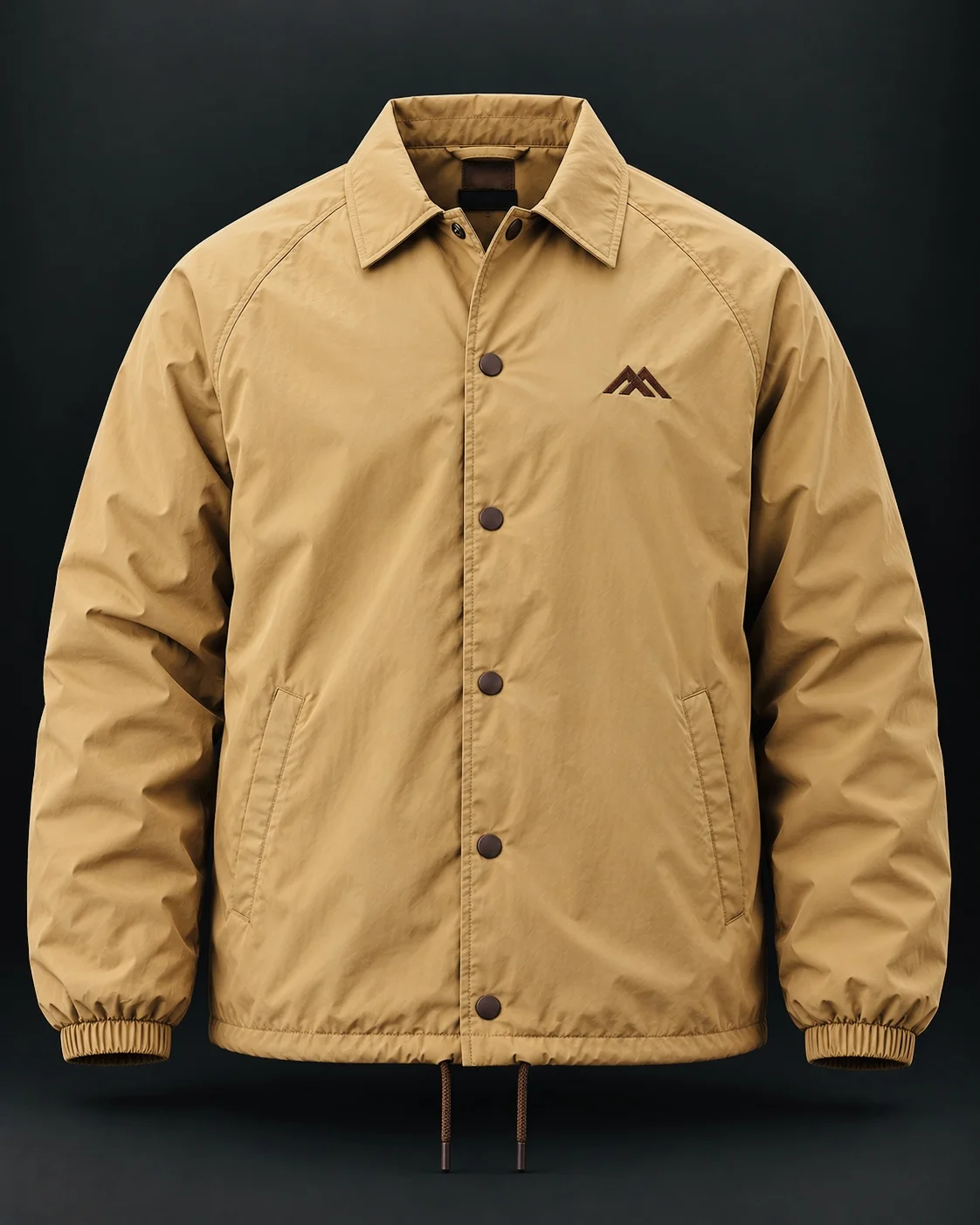
View Product Details : Coach Jacket280 GSM · Athletic regular fit
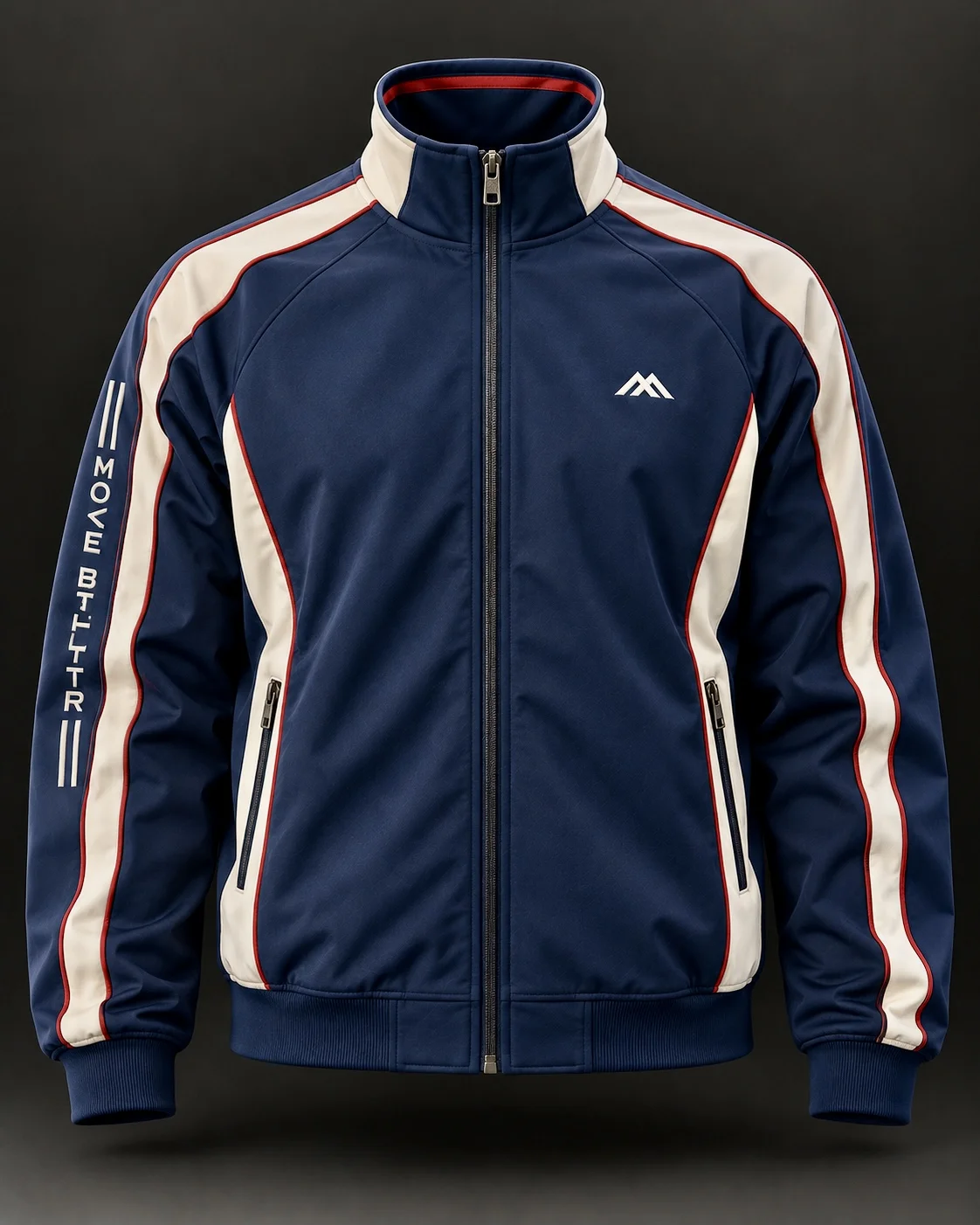
View Product Details : Track JacketA bomber, varsity jacket and puffer need different shell, trim and lining decisions. Supply front and back views with panel lines, pockets and openings marked. Show the collar and sleeve finish in a close reference when those details define the design. Specify the size of the development sample and the layer intended underneath it.
Measure chest width, shoulders, body length, sleeves and openings independently. A large flat chest measurement does not describe arm reach, collar fit or room at the cuff. Review those areas with the jacket closed as well as open so the construction supports the intended way of wearing it.
List proposed composition, structure, weight, color and finish for each material where known. A varsity design may combine a wool-blend body with contrast sleeves; a puffer adds filling and quilting decisions. The specification should identify each component rather than call the whole garment one fabric.
If a functional property matters to the collection, state the desired result and discuss the evidence or evaluation needed. A windbreaker or insulated style name does not establish tested wind resistance, water resistance or a temperature rating. Keep those requirements visible while materials are selected and the sample is developed.
Include zipper or snap dimensions, finish and attachment references. Show pocket opening size, bag depth, flaps and closures, along with any inside pockets. The position of a pocket affects access and may interrupt a print or embroidered panel, so review both together.
On rib-trimmed jackets, compare the collar, cuffs and hem with the shell for shade and shape. For quilted construction, identify the line layout and how it meets seams or decoration areas. A lining needs its own attachment and hem-finish discussion. Inspect the interior of the sample rather than relying on the outside illustration to communicate those details.
Try the jacket over the specified layer and check reaching forward, pocket access and the collar at the top of the opening. Compare its measurements with the chart and record any required changes to materials or trims. If the shell changes, confirm decoration suitability and seam construction on the proposed replacement.
Submit artwork, label files and a quantity breakdown by style, color and size with the delivery destination. The quote should identify sample scope, material availability and production terms for that brief. Custom cut and sew manufacturing supports the pattern discussion, while private label planning covers brand details. Request a quote with the references that show your intended result.
Send the garment styles, fabric preferences and quantities you have in mind. Include your delivery country and any tech pack or reference images.