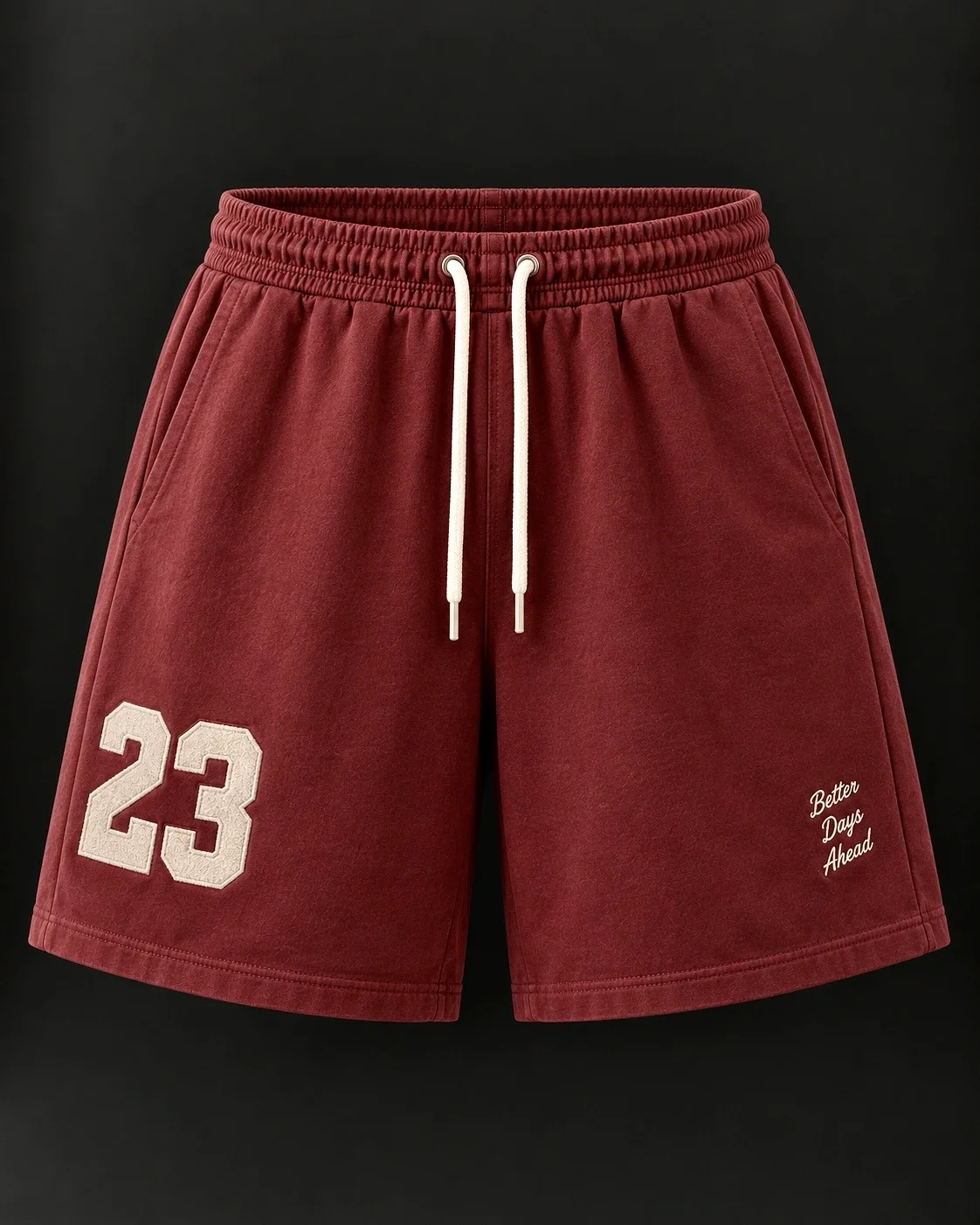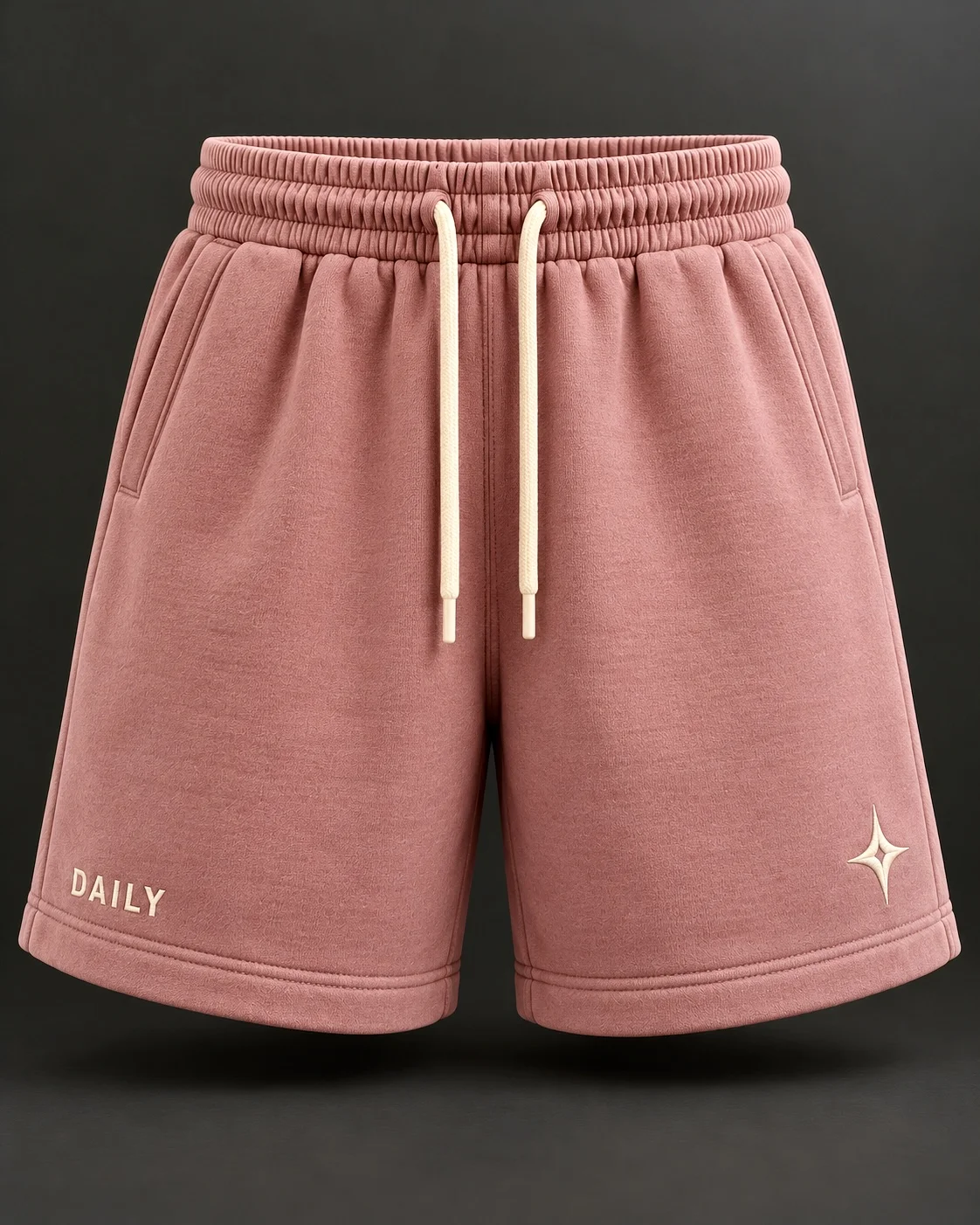
Heavyweight Sweat Shorts
320 GSM · Relaxed fit
View Product Details : Heavyweight Sweat ShortsDevelop sweat, cargo, nylon, jersey, mesh and French terry shorts with defined rise, inseam and leg opening. Include waistband, pockets, fabric references and artwork so length and construction can be reviewed together.
320 GSM · Relaxed fit
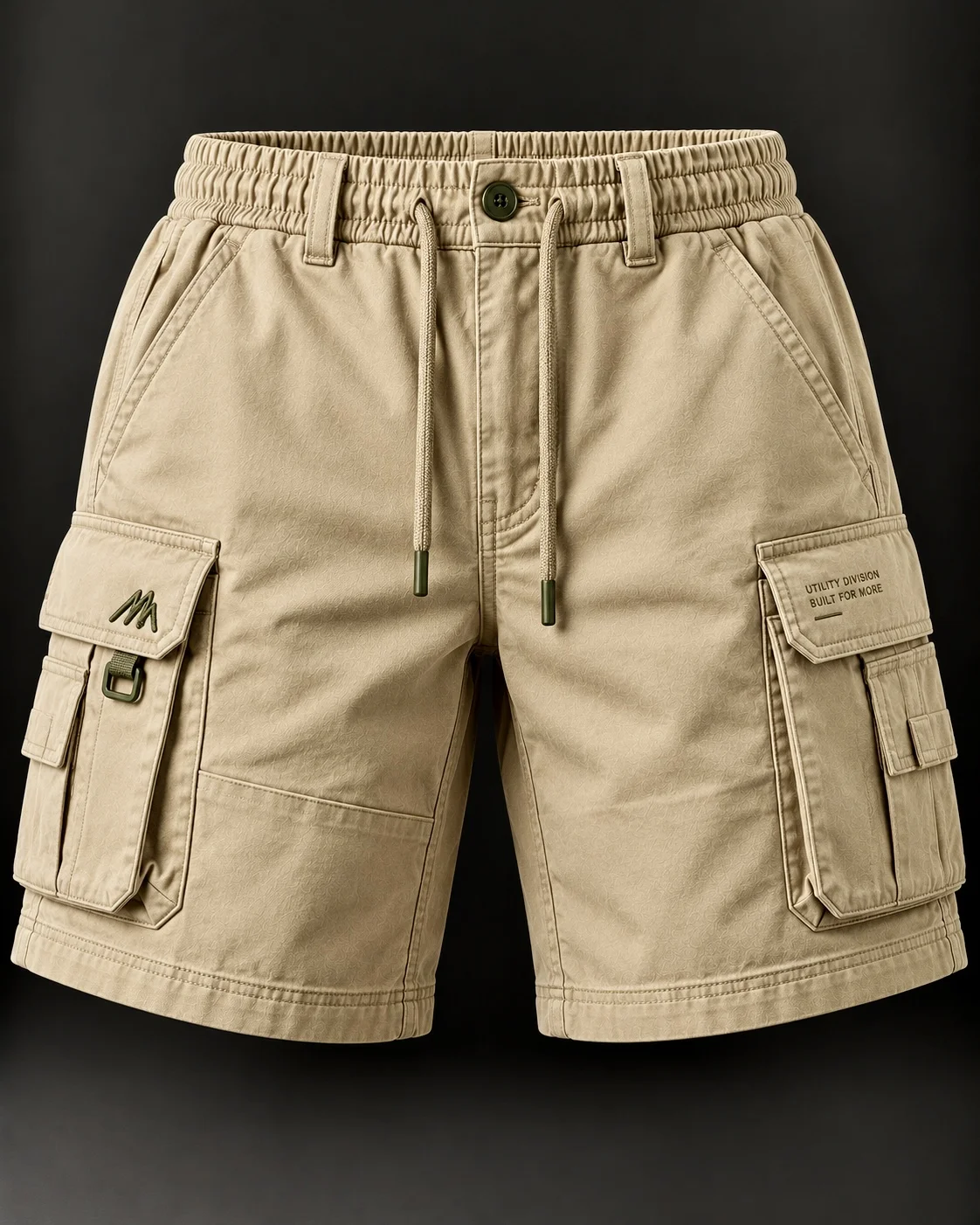
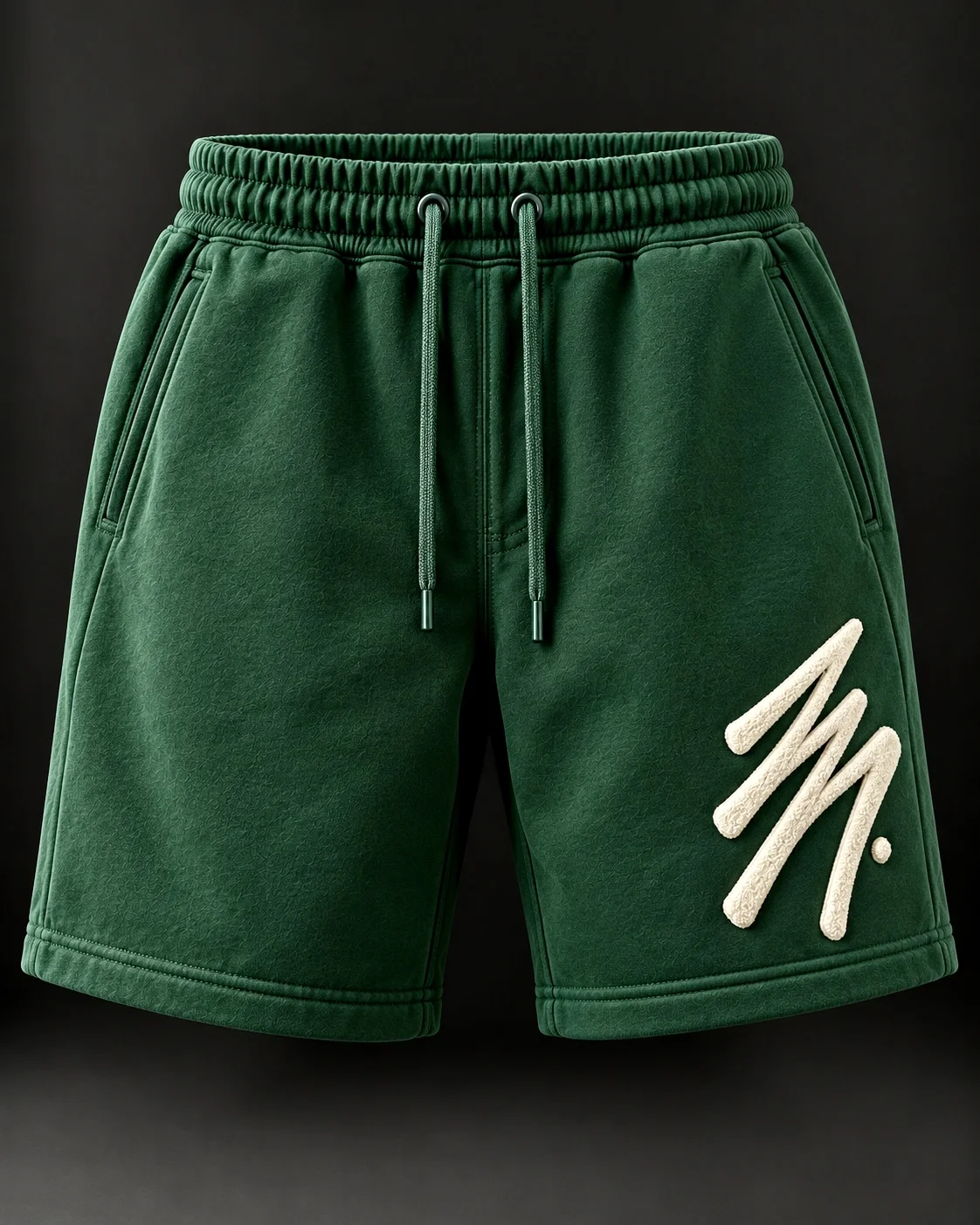
View Product Details : Heavyweight Sweat Shorts240 GSM · Relaxed cargo fit
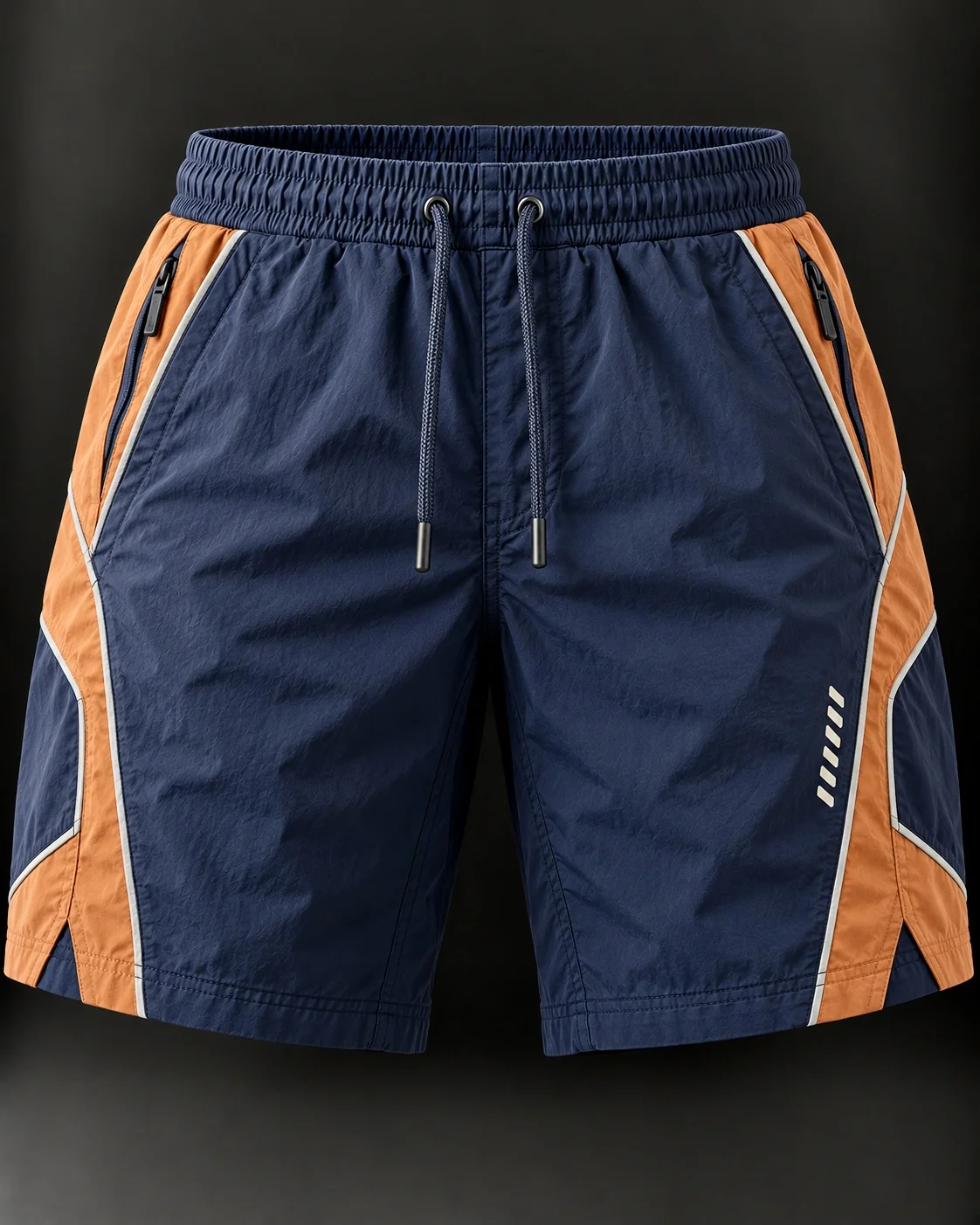
View Product Details : Cargo Shorts150 GSM · Relaxed fit
View Product Details : Nylon Streetwear Shorts260 GSM · Oversized relaxed fit
View Product Details : Oversized Jersey Shorts160 GSM · Relaxed basketball fit
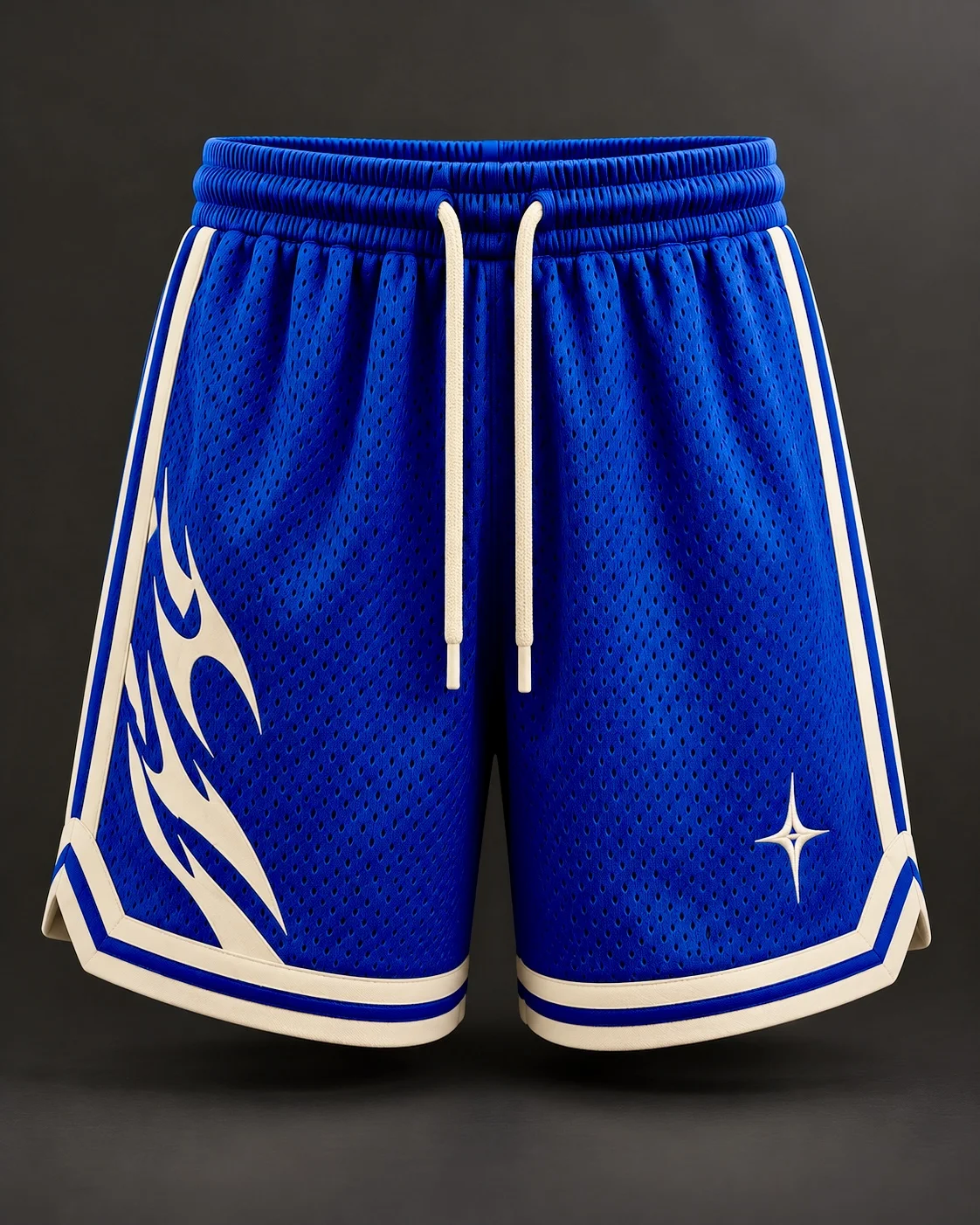
View Product Details : Mesh Basketball Shorts300 GSM · Relaxed fit
View Product Details : French Terry ShortsAbove-knee or oversized provides a visual direction, but the chart needs waist, hip, rise, inseam and leg-opening dimensions. Identify where the waist should sit and how the hem should relate to the knee on your fit reference. Give front and back rise separately instead of expecting an inseam to describe the whole fit.
For elastic styles, agree whether waist measurements are relaxed or extended and keep that condition consistent during sample review. Include drawcord exits, ends and any closure details. A waistband revision can alter how the shorts sit, so review the worn length again when that component changes.
Choose a fabric reference that supports the intended outline and use. French terry has an inner loop structure, while brushed fleece has a different inner surface. Jersey, woven nylon and open mesh need their own material and construction discussions. Supply composition, weight, color and finish where known; leave unselected details marked for review.
For mesh, identify whether the shorts need lining and discuss its material, coverage and attachment. For woven styles, show panel and seam details rather than adapting a fleece illustration without notes. Material names do not establish functional test results. Any particular claim or evaluation requirement belongs in the brief before sampling.
Show pocket openings, depth and placement on the actual short silhouette. Cargo details need a side view with flap, closure and attachment references. A pocket bag should be reviewed against the finished length, especially on a shorter inseam, rather than sized from a longer pant pattern.
Provide artwork width, height, colors and distance from a stable garment point. State whether a graphic changes scale across sizes or matching garments. Embroidery, printing or sublimation requests need review against the selected material and design. Keep label artwork and attachment positions with the private label brief.
Review standing and seated fit, then check pocket access and waistband behavior during the intended movement. Inspect the leg opening and hem from the side, and compare flat measurements afterward. If care review is agreed, record the method and compare shade, decoration and dimensions at the same stage.
Confirm fabric and trim references alongside the approved sample. Send quantities by style, color and size, packaging preferences and destination when requesting an order quote. Minimum quantities, sample costs, material availability and scheduling are discussed for the specific brief, including any coordinated tops or sets.
Send the garment styles, fabric preferences and quantities you have in mind. Include your delivery country and any tech pack or reference images.