STREETWEAR MANUFACTURER & EXPORTER
Custom Streetwear Manufacturer & Exporter
Custom apparel development for clothing brands in the USA, UK and Australia. Plan fabric, fit, samples and private label details.
Custom apparel development for clothing brands in the USA, UK and Australia. Plan fabric, fit, samples and private label details.
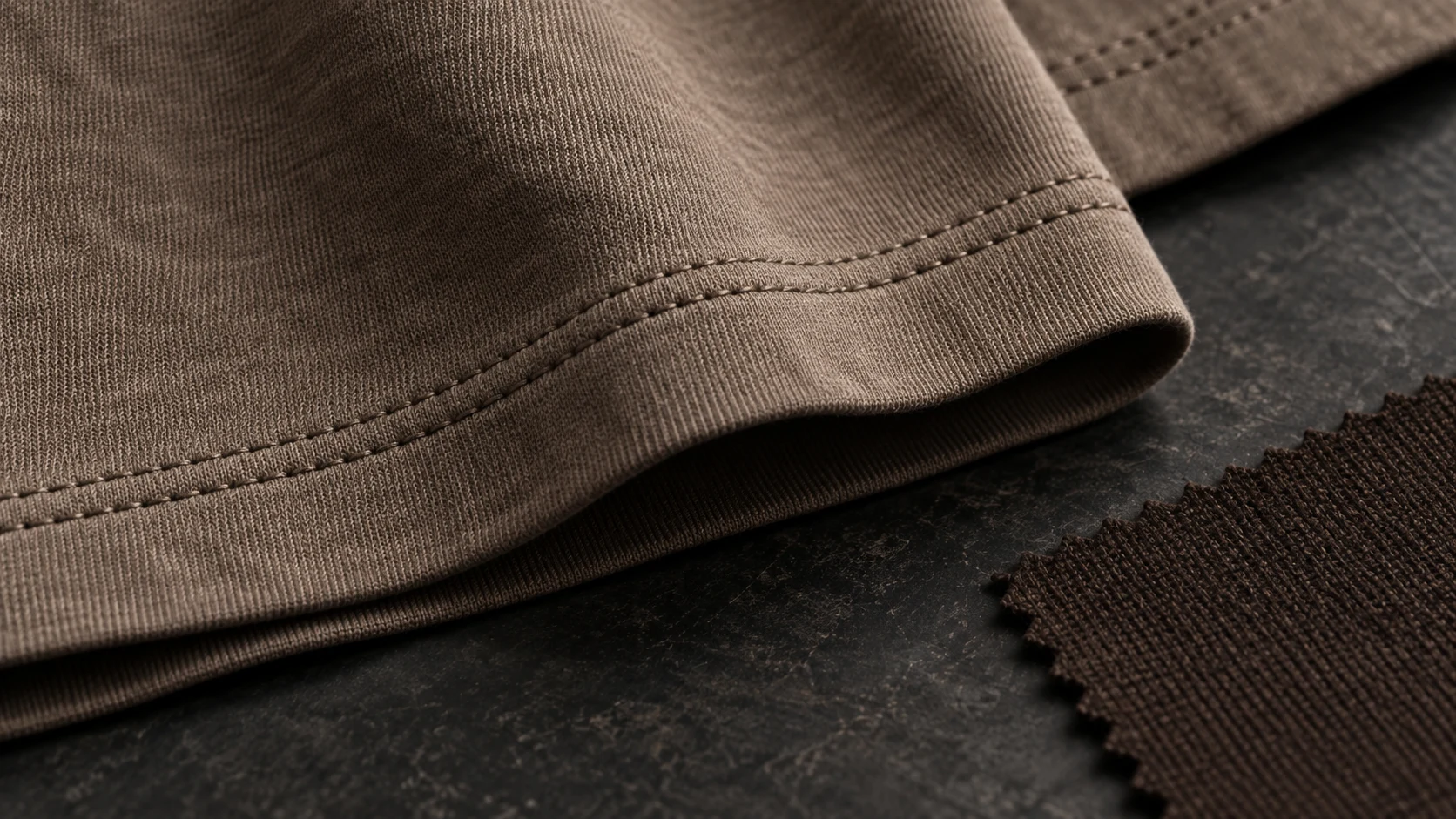
Define composition, GSM, garment measurements and construction. Review the development sample before confirming the bulk order specification.
Specify print or embroidery artwork, garment labels, hang tags and packaging alongside your custom garment brief.
Send designs, measurements, quantities by style and your delivery destination to discuss materials, sampling and production terms.
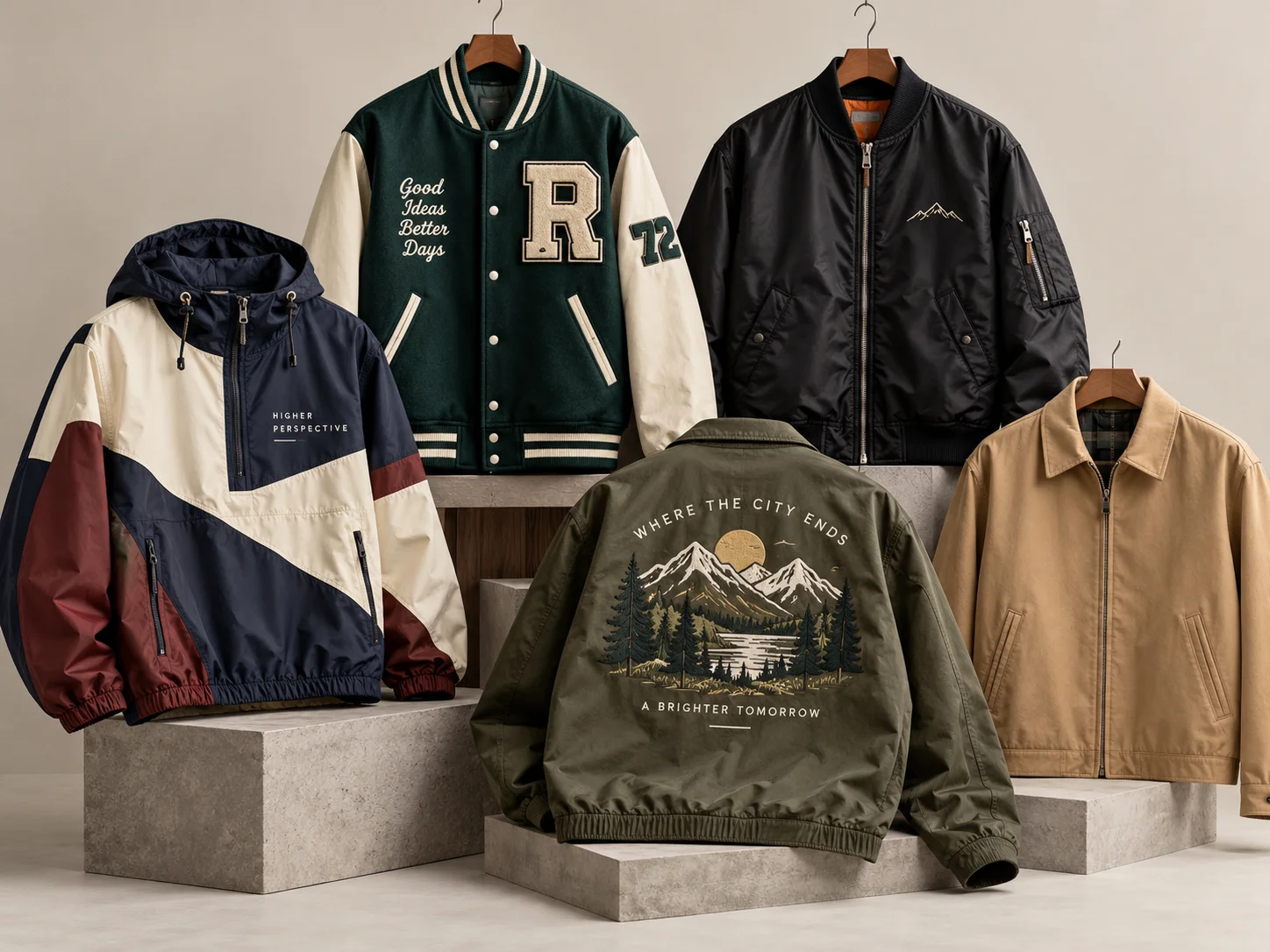
Start with the garments your collection needs, then compare fabric, fit and branding options for each category.
Browse garment categories ↗Use these product details to discuss the weight, construction and finishing you want for your own order.
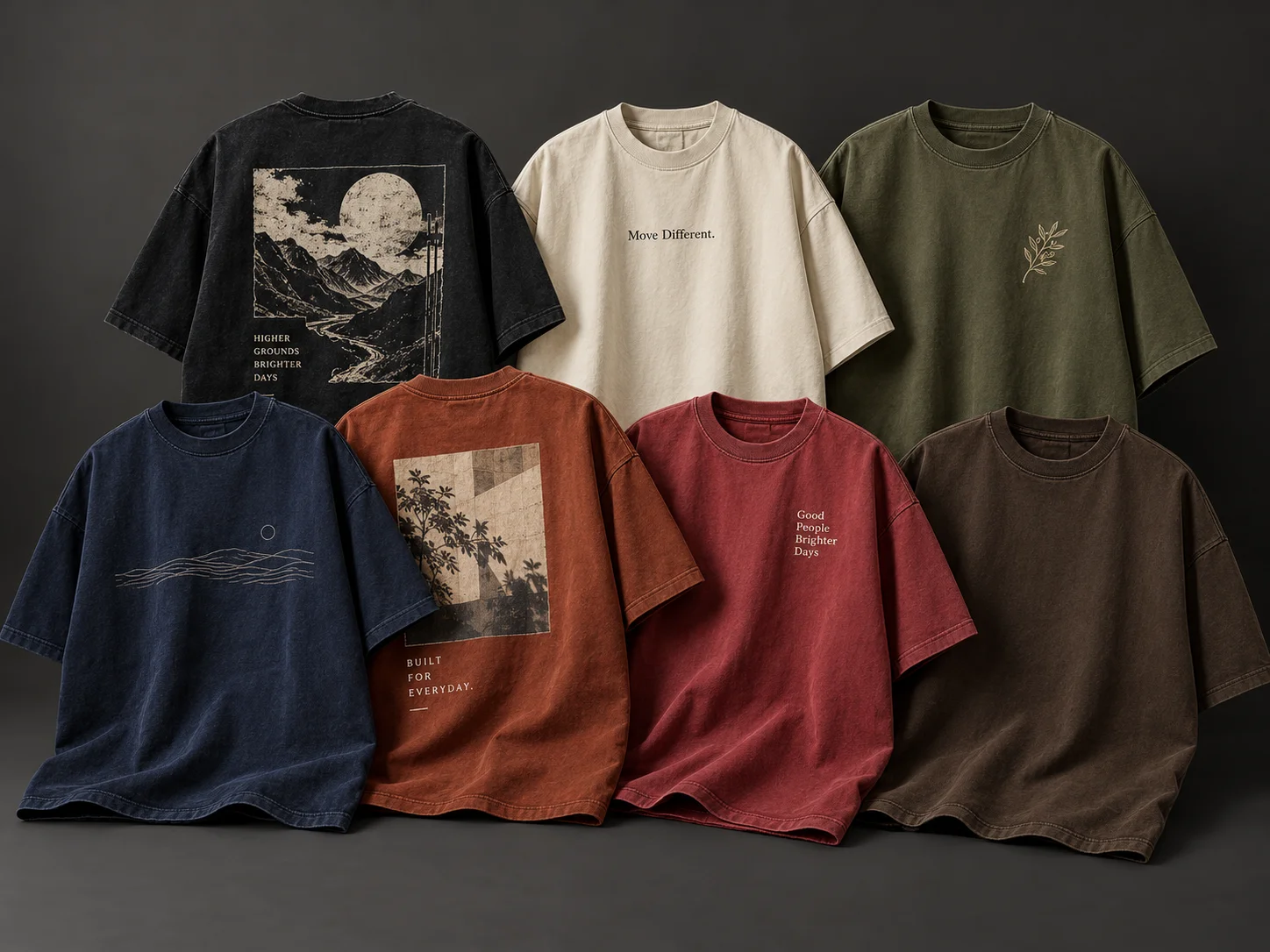
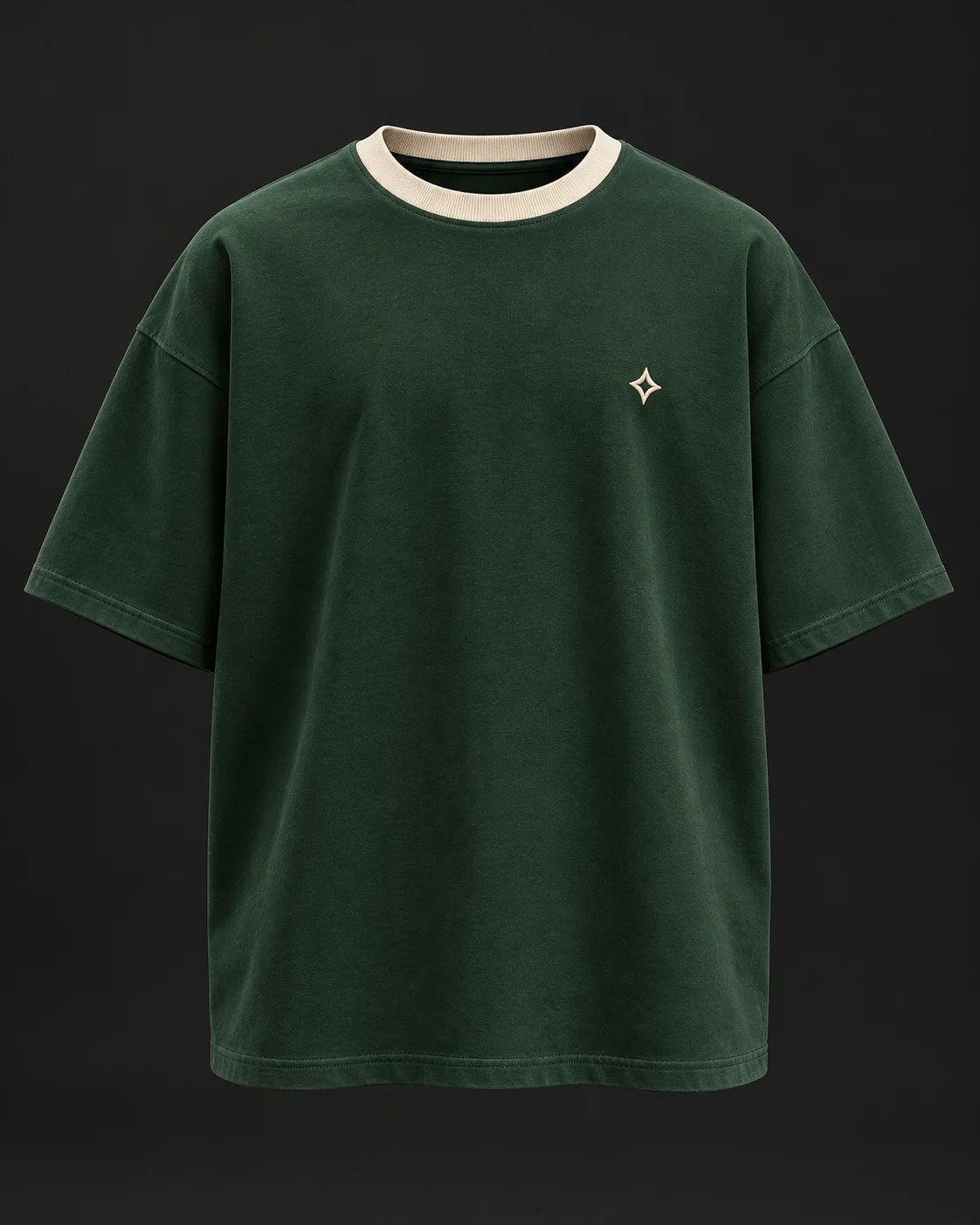
Browse the product catalog ↗260 GSM · Oversized
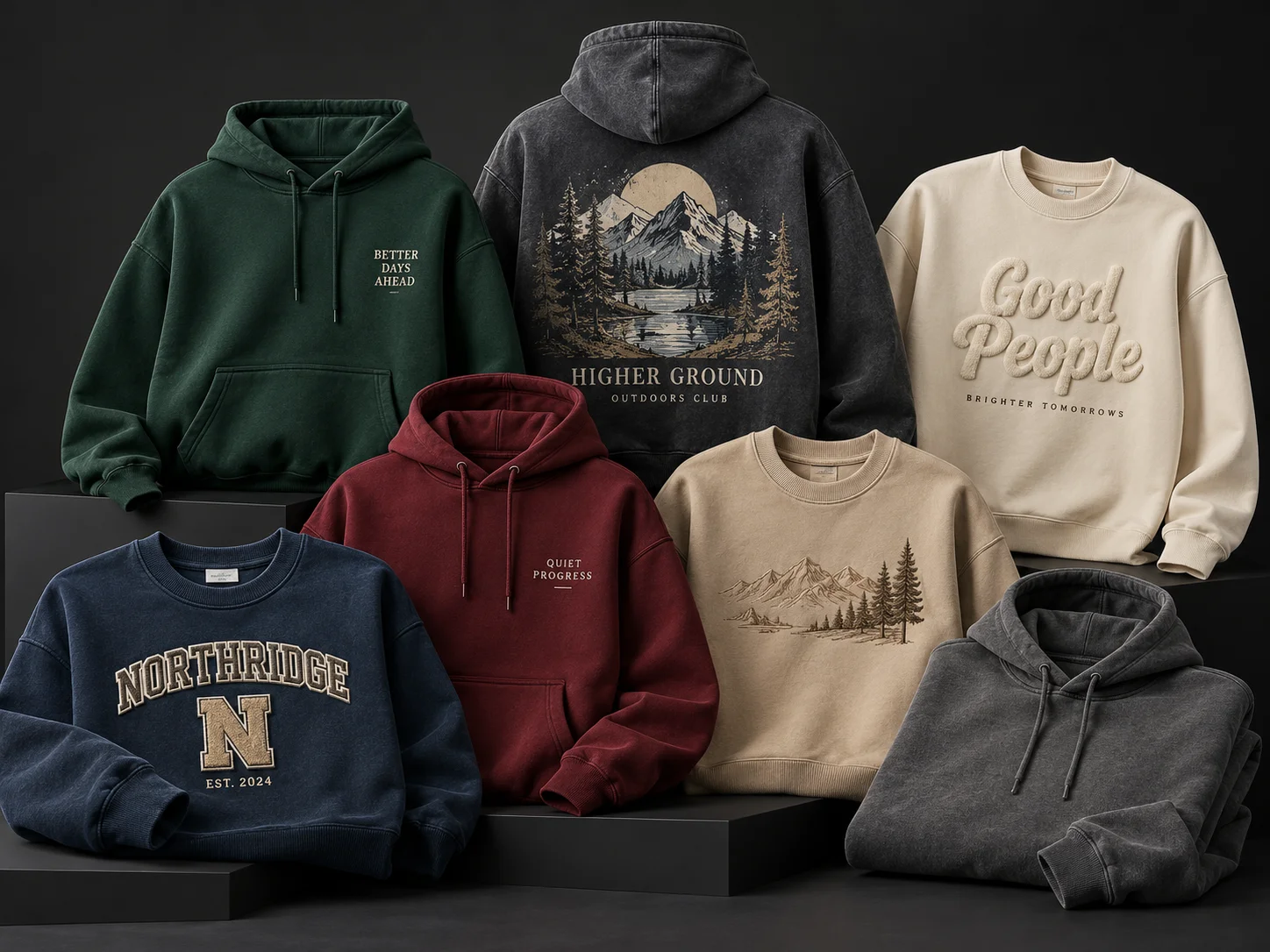
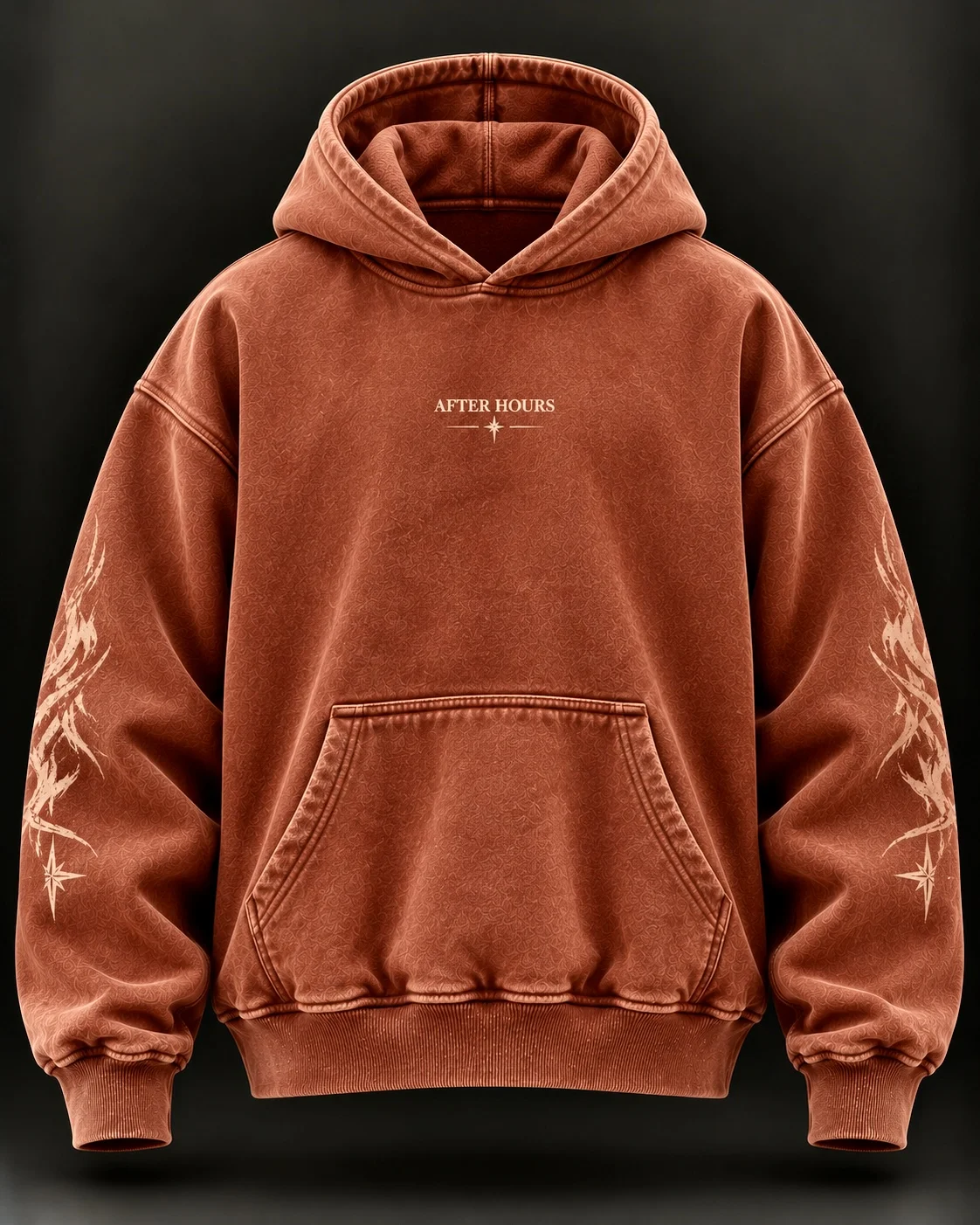
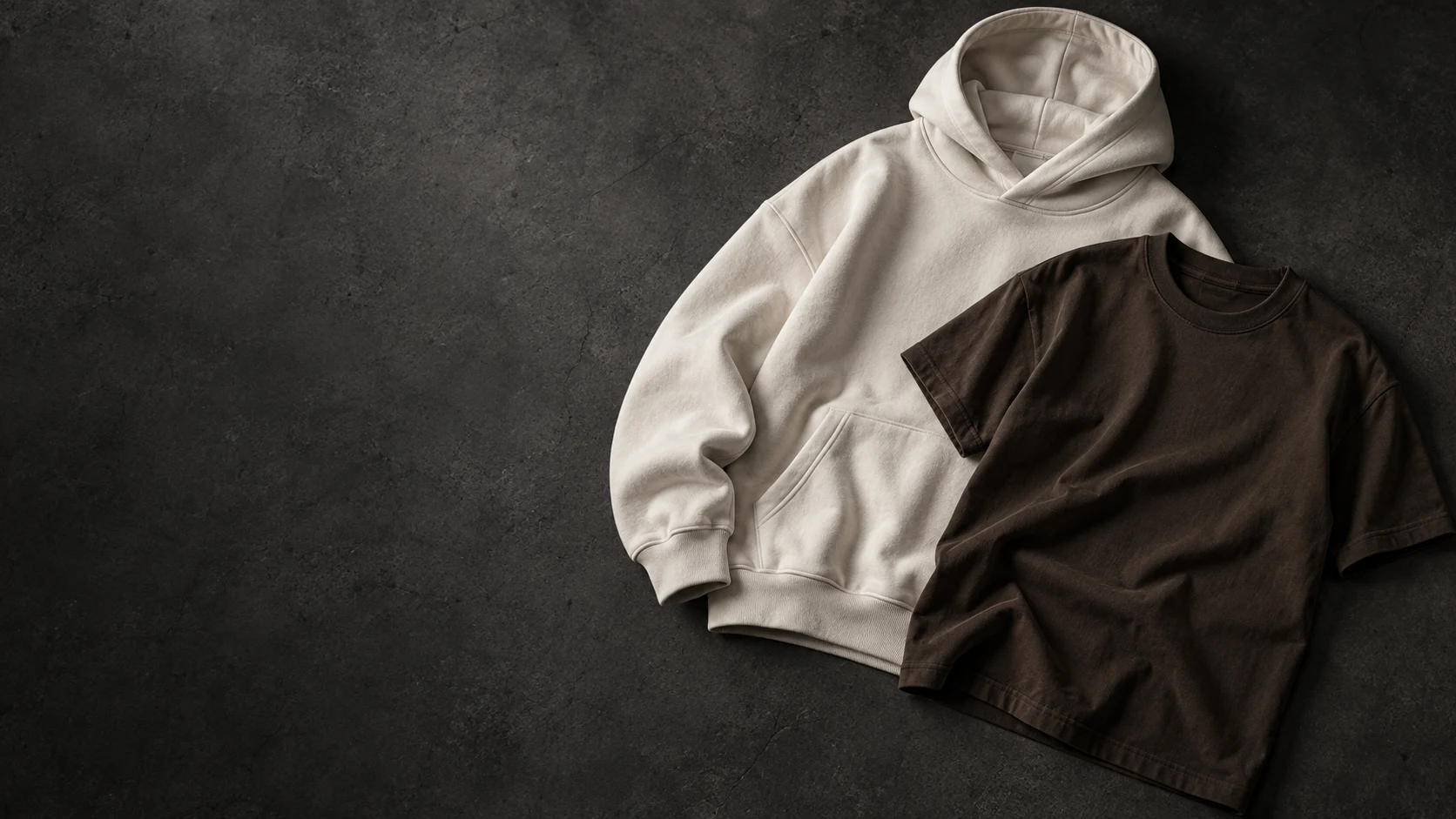
View Product Details : Oversized Heavyweight T-Shirt420 GSM · Oversized drop-shoulder fit
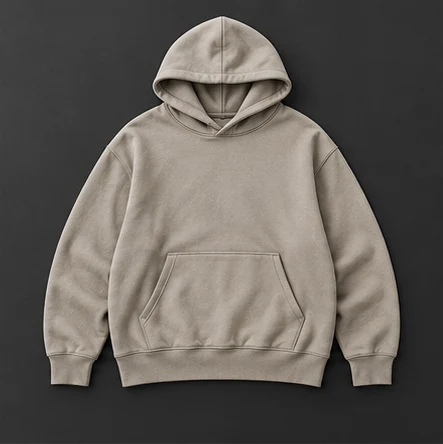
View Product Details : Drop Shoulder Hoodie280 GSM · Athletic regular fit
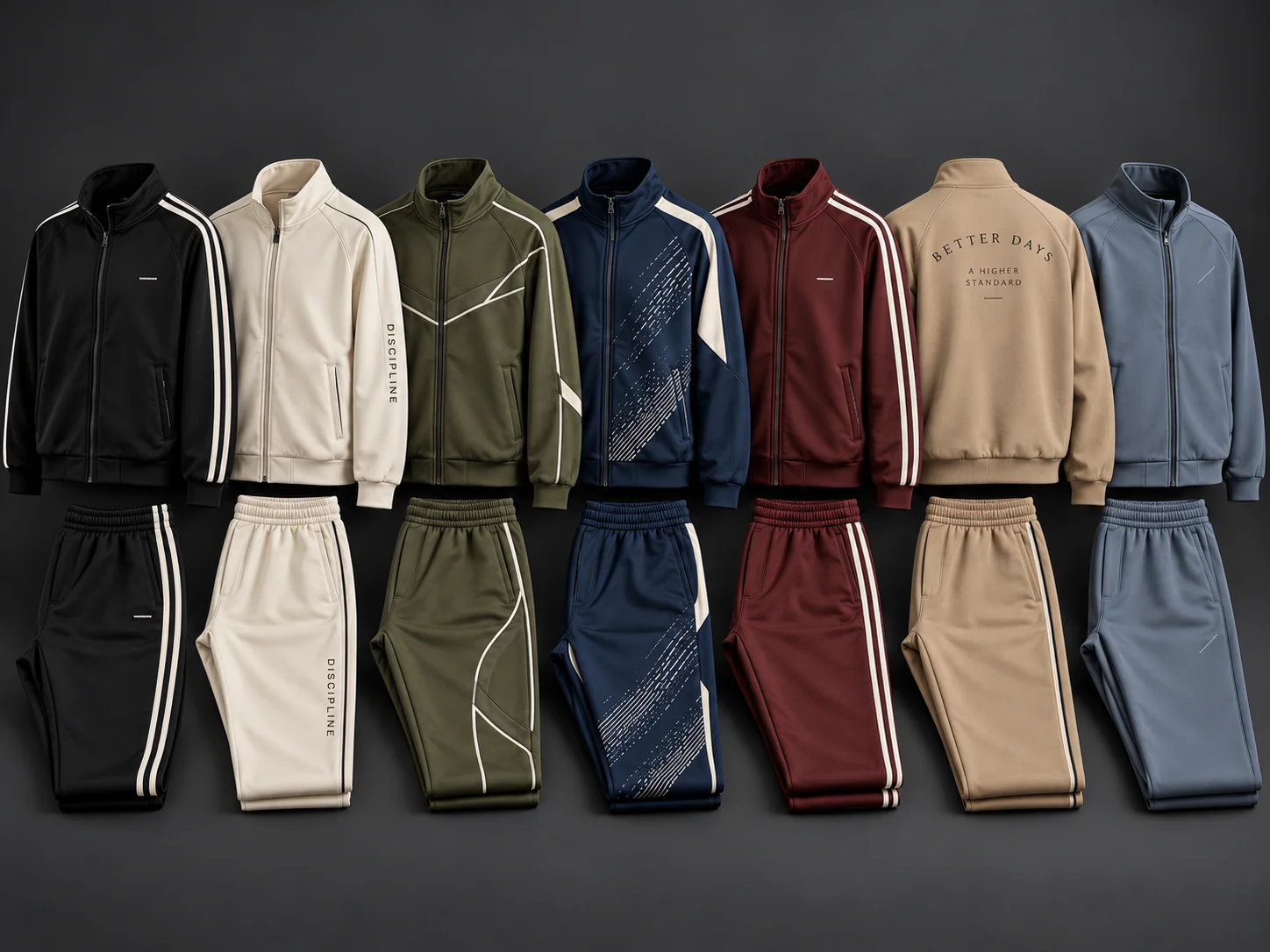
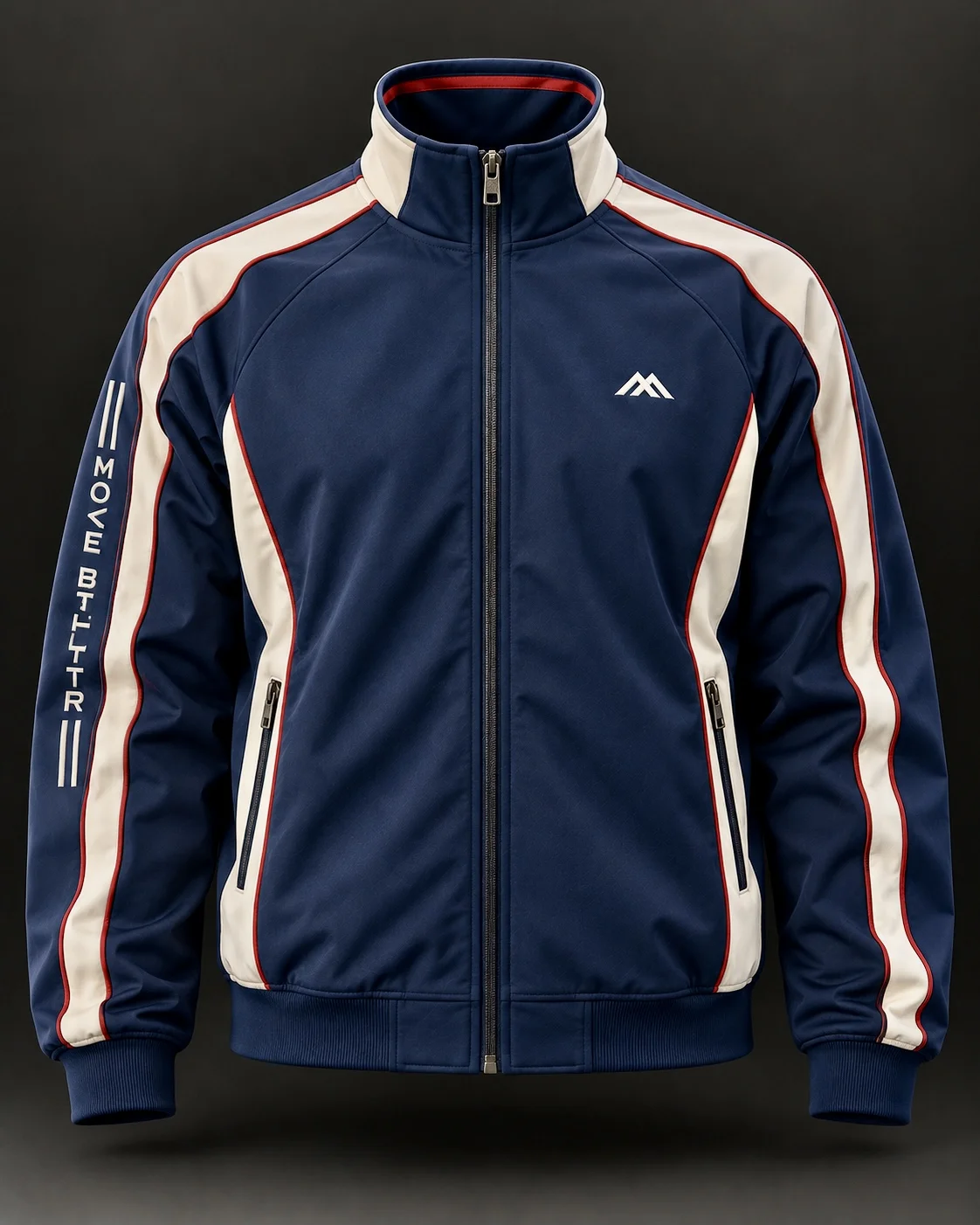
View Product Details : Track Jacket380 GSM · Relaxed fit
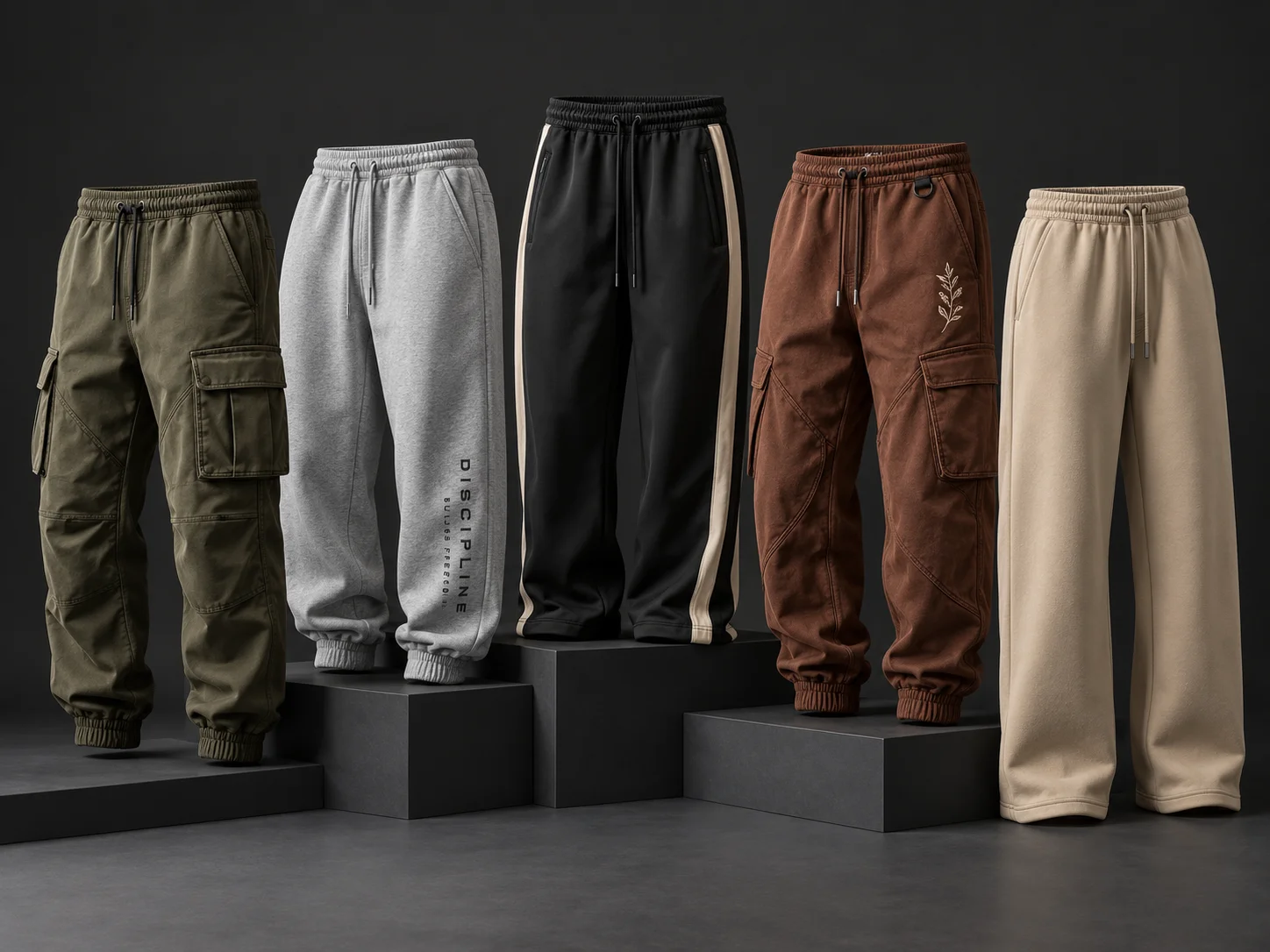
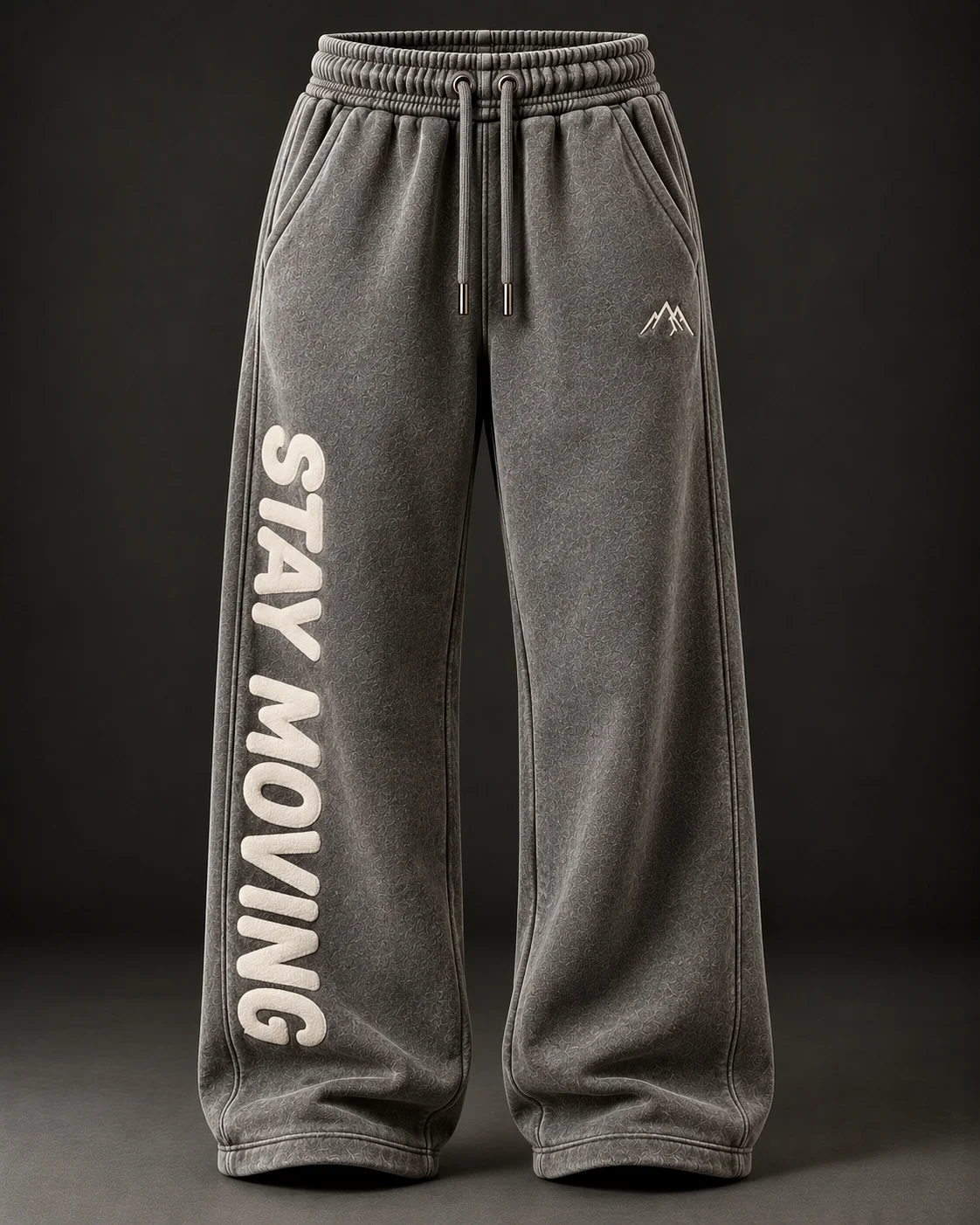
View Product Details : Heavyweight Sweatpants
Right Gate Global manufactures streetwear for clothing brands, startups and international buyers. Bring a tech pack, measurement chart or garment references to discuss the fabric, silhouette and construction you need.
Plan patterns, sampling and brand details together. An approved sample and written specifications give your bulk order a clear production reference.
Explore custom cut and sew manufacturing ↗Choose the garment construction and branding first, then confirm the development work and production requirements in your quotation.
Develop the silhouette, seams and garment details from your own measurements and references.
Compare composition, GSM, texture, finish and color availability for your intended use.
Record measurement points, fit requirements and size grading before approving the sample.
Review fabric, fit, construction and decoration on a sample before confirming the bulk specification.
Discuss artwork files, dimensions, placement and a decoration method suitable for the fabric.
Specify neck, size and care labels, hang tags and packing requirements for your collection.
Agree the quantities, inspection points and finishing details needed to reproduce the approved product.
Include the delivery country, packing requirements and shipping scope when you request a quote.
A photograph can show the silhouette. Your production brief also needs to explain how the garment should feel, move and fit when worn.
Think about where the garment will be worn and whether it sits against the skin or over another layer. Record composition, weight, texture and the inside finish you want to review. For sweatshirts and hoodies, the difference between brushed fleece and loopback terry belongs in the brief.
Keep a fabric reference with your notes when possible. GSM helps describe weight, but does not explain every part of the fabric's feel or drape.
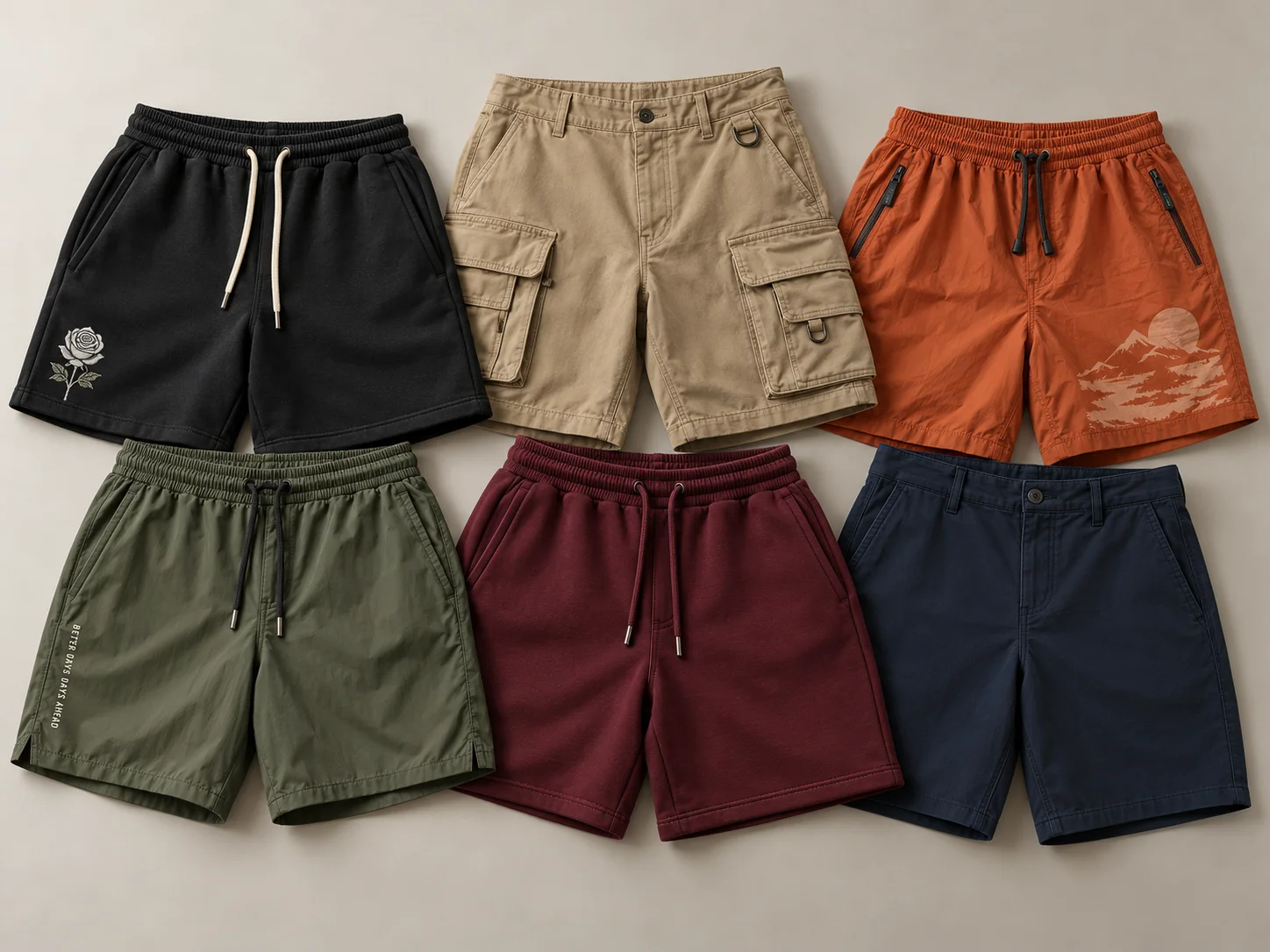
Use body width, length, shoulder and sleeve measurements to describe a top. For pants and shorts, add the waist, rise, inseam and leg opening. Explain the measurement points and units so the chart can be checked consistently.
Terms such as oversized, boxy and relaxed help describe a direction. The measurement sheet turns that direction into a garment that can be reviewed.
Neck rib, cuffs, hems, pockets and fastenings are part of the design. Specify the finish you want rather than leaving those details to a reference photo. Add print, embroidery and label positions with dimensions measured from clear points on the garment.
Compare these details on the sample and keep the final artwork and specification together. That gives each style one consistent approval record.
Record the fabric, measurement points, trims and artwork placements needed for each style.
Review fit, construction and decoration, then confirm any revisions in the approved specification.
Ask for quantities by style and color, sample terms, production timing, packaging and the delivery scope in your quotation.
Use the development sample and an approved specification to record the fabric, fit and finishing you want to reproduce.
Send a tech pack or garment references, measurements, artwork, quantities and delivery country.
Discuss composition, GSM, finish, colors and the measurements needed for your intended fit.
Check construction, measurements and decoration. Collect requested changes in one revision list.
Confirm the sample, size chart, artwork placements, trims and labels before the bulk order.
Agree quantities by style and color, material availability, pricing and the production schedule.
Set measurement tolerances and inspection points against the approved garment specification.
Confirm care labels, folding, individual packing, carton quantities and any brand packaging.
Review the destination, shipping scope, documentation and delivery terms for the order.
Plan the artwork, labels and packaging alongside the garment. Confirm decoration dimensions and placements on the sample before the bulk order.
Explore private label manufacturing ↗Planning a collection for the USA, UK or Australia? Include your delivery market, packing requirements and launch window. Review the destination guide to prepare your brief and the questions to confirm before ordering.
Ask about your export order ↗A fabric selection process that connects the swatch to your intended garment, decoration and final product checks.
Read Manufacturing Guide : How to Choose Fabric for Custom Streetwear ClothingA practical decoration comparison based on the artwork and garment you are actually developing.
Read Manufacturing Guide : Screen Printing vs DTF vs Embroidery for Streetwear ClothingA component checklist for labels and packing, with separate checks for artwork, information, comfort and receiving needs.
Read Manufacturing Guide : Custom Woven Labels, Hang Tags and Packaging for Private Label StreetwearShare the garment type, fabric or GSM preference, measurement chart, artwork and quantities by style and color. A tech pack or clear reference images help explain construction details. Include your delivery country and any target launch window.
Request the minimum quantity for each style and color, sample terms and the production schedule in your quotation. Fabric availability, decoration and the scope of the order need to be reviewed before those terms are agreed.
Compare fabric, finished measurements, stitching and artwork placement with your brief. Record changes in one revision list and retain the approved sample and specification as the reference for bulk production. Read about sampling and product development.
Cut and sew requirements describe the garment itself: pattern, measurements, fabric, seams and construction. Private label requirements describe your branding, such as artwork, embroidery, garment labels, hang tags and packing. A custom collection may need both, so include them in the same brief and identify the requirements for each style.
Send the garment styles, fabric preferences and quantities you have in mind. Include your delivery country and any tech pack or reference images.