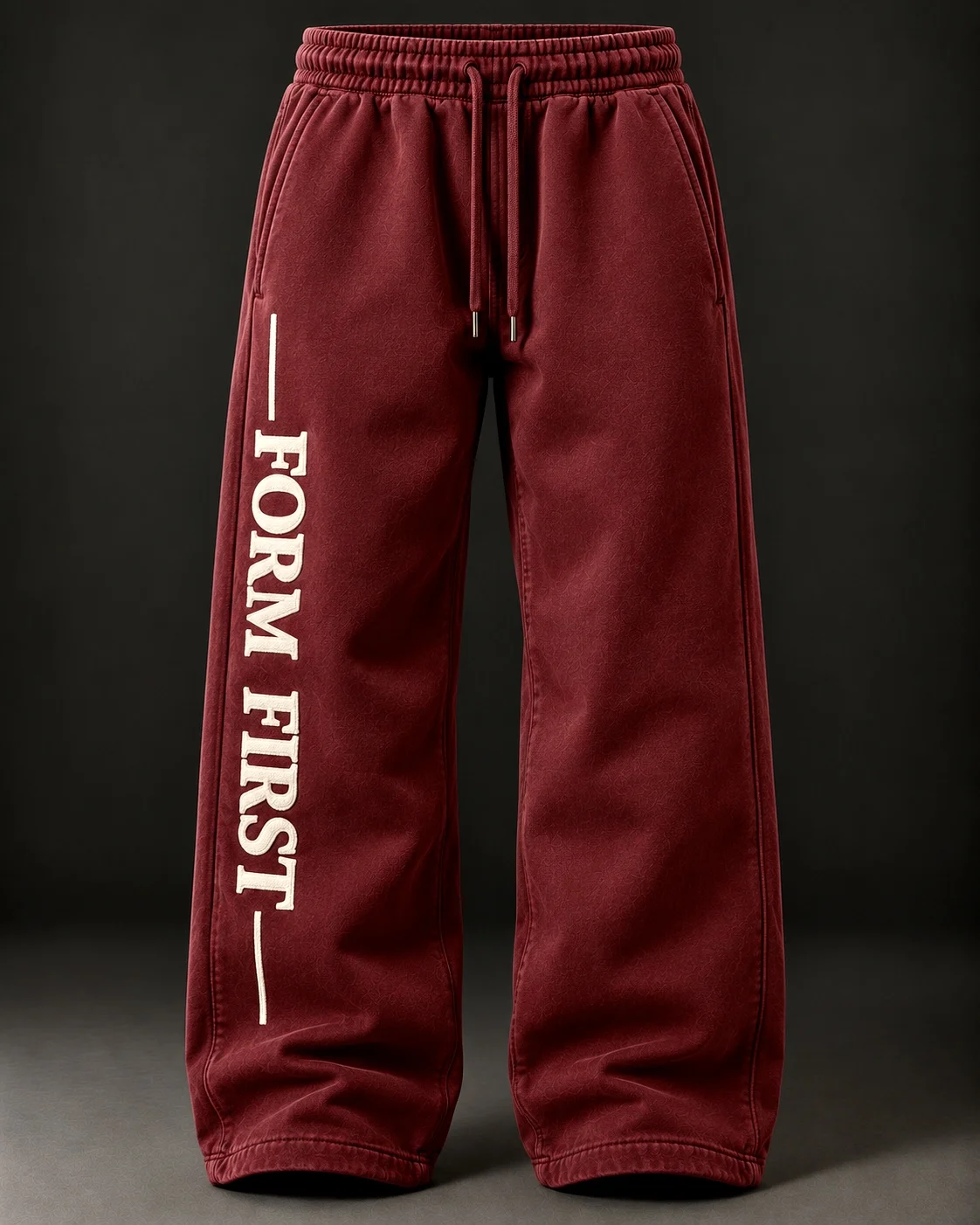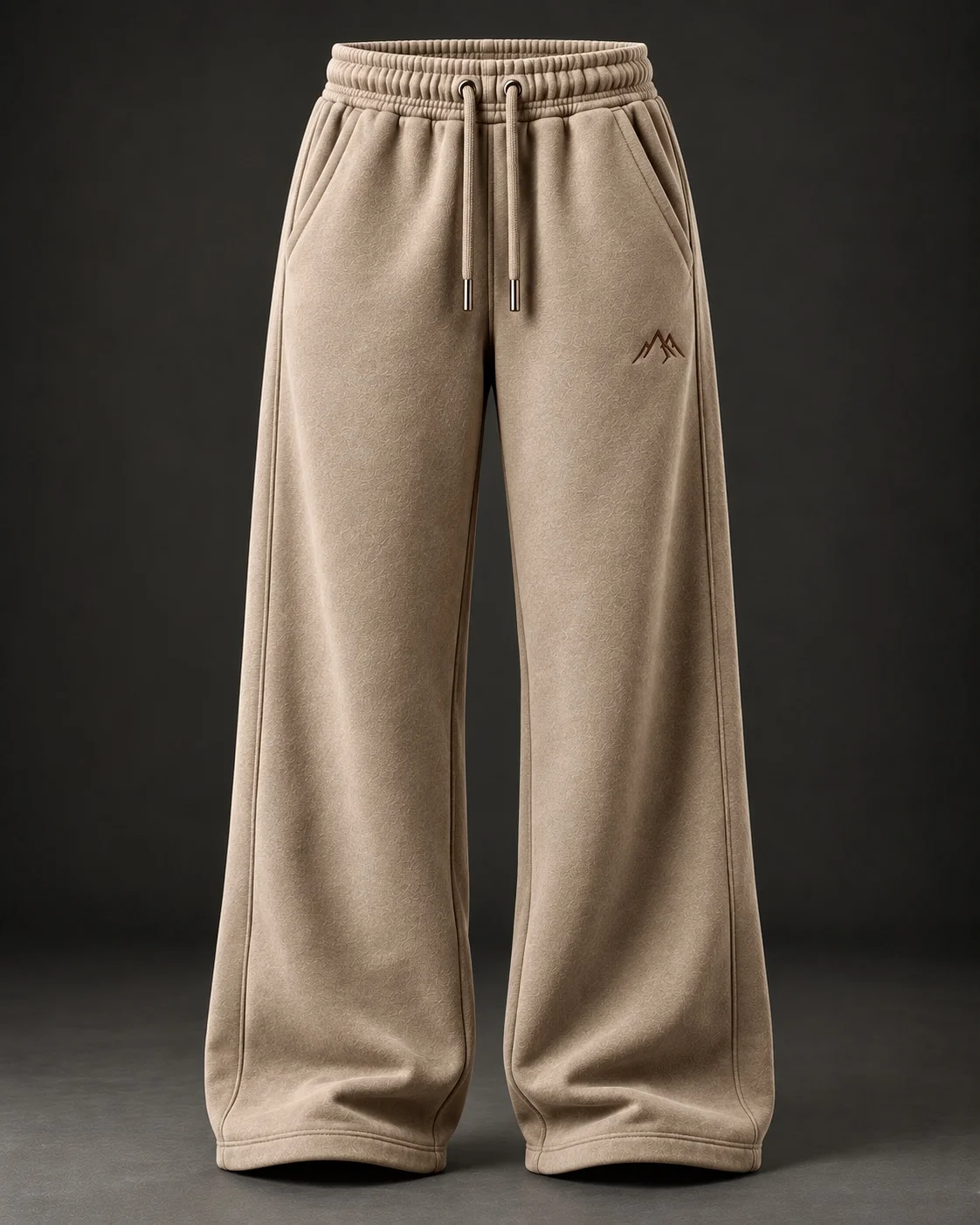
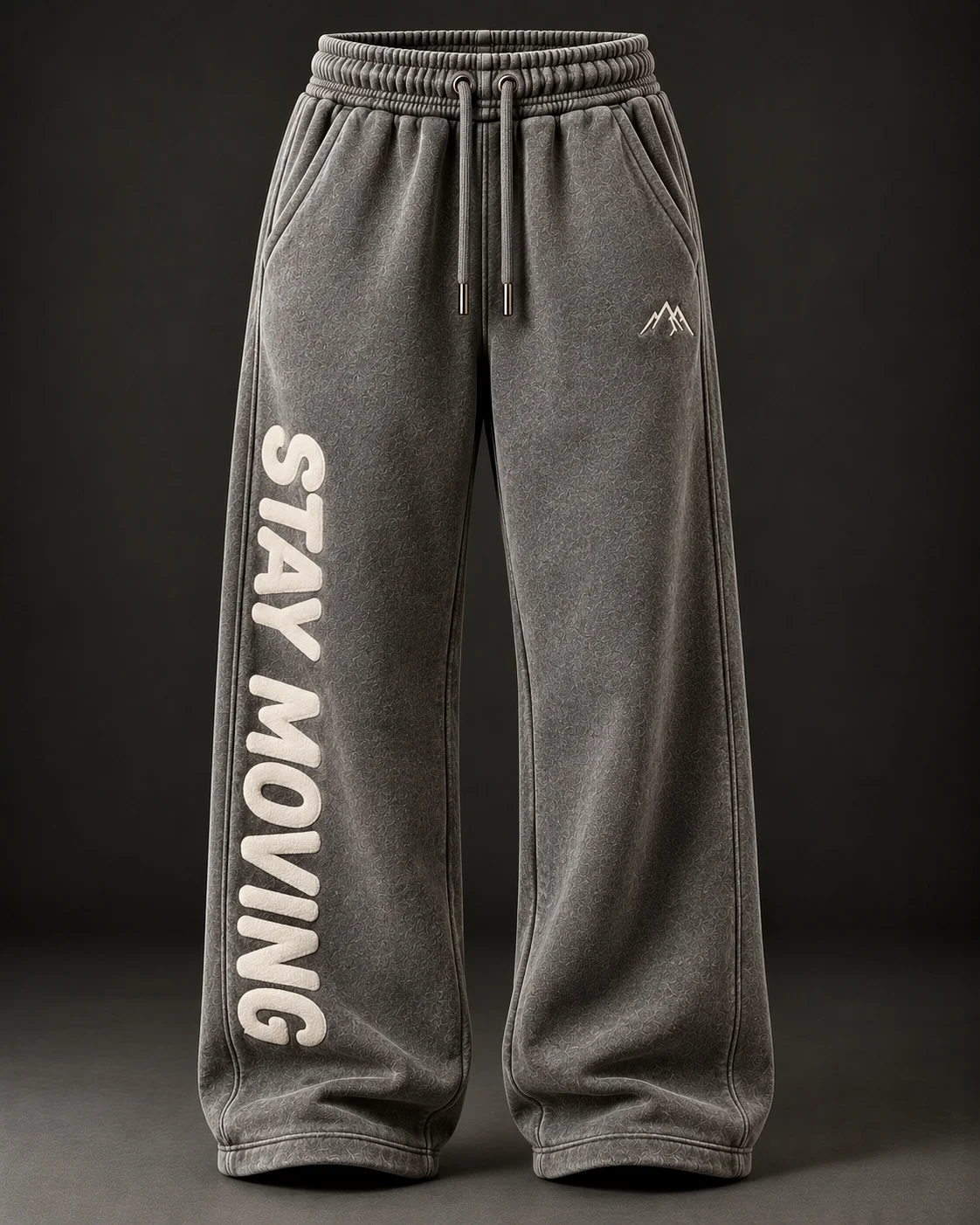
Heavyweight Sweatpants
380 GSM · Relaxed fit
View Product Details : Heavyweight SweatpantsPlan fleece sweatpants, straight or wide-leg styles and cargo pants with defined waist, rise, length and leg shape. Add waistband, cuff and pocket construction, then review fit and branding on the sample.
380 GSM · Relaxed fit
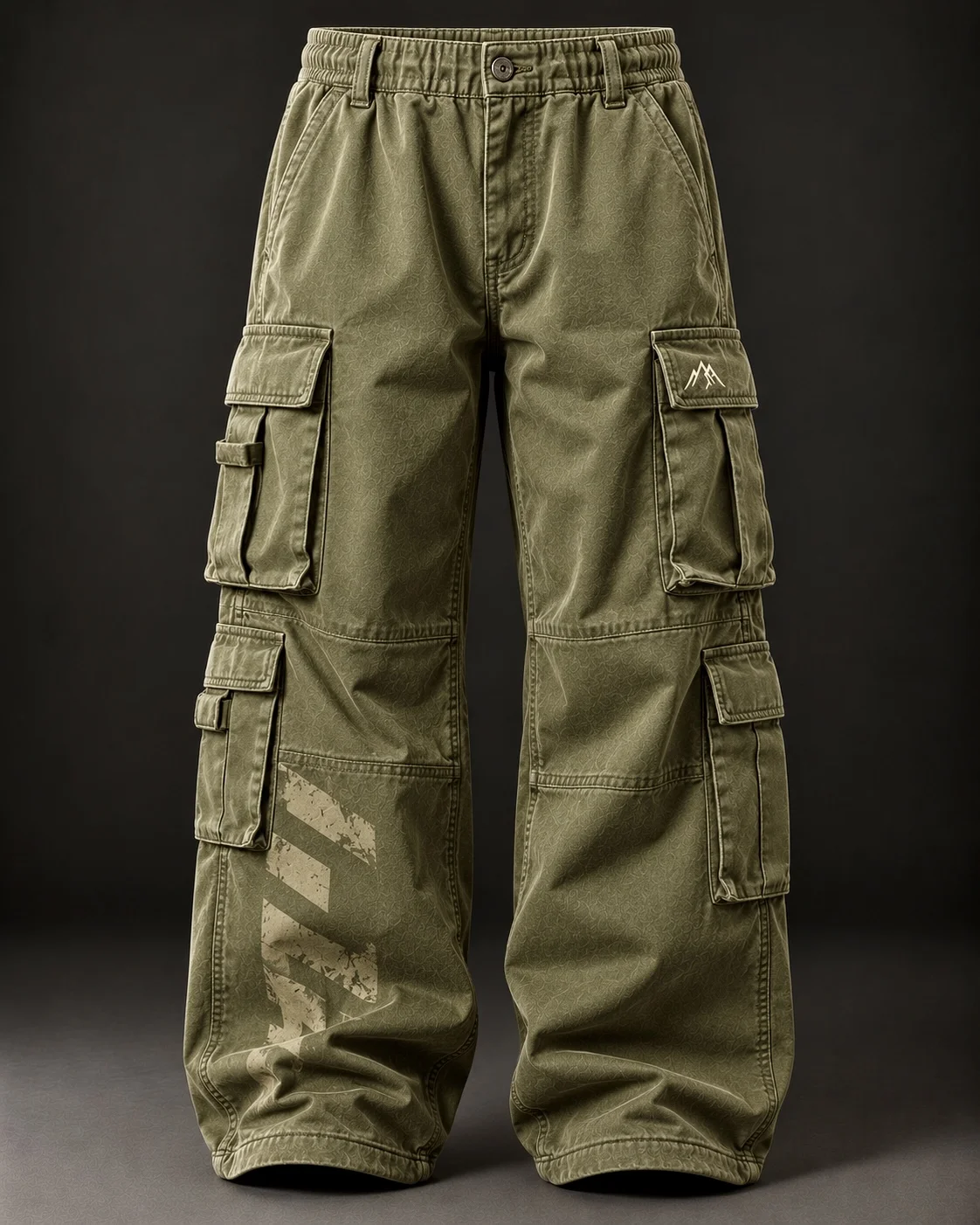
View Product Details : Heavyweight Sweatpants260 GSM · Relaxed cargo fit
View Product Details : Cargo Pants380 GSM · Straight-leg relaxed fit
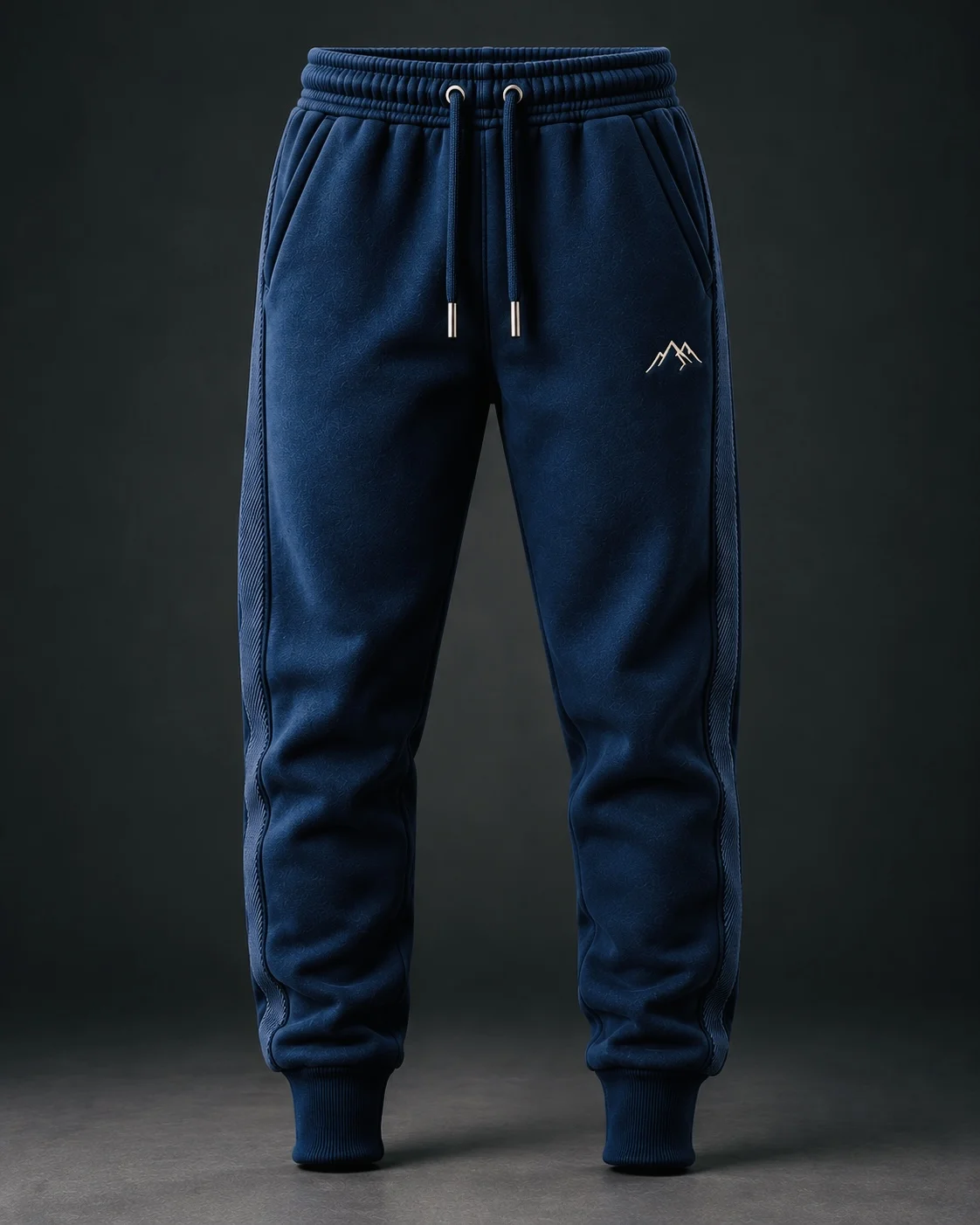
View Product Details : Straight-Leg Sweatpants360 GSM · Tapered jogger fit
View Product Details : Cuffed Joggers160-180 GSM · Relaxed cargo fit
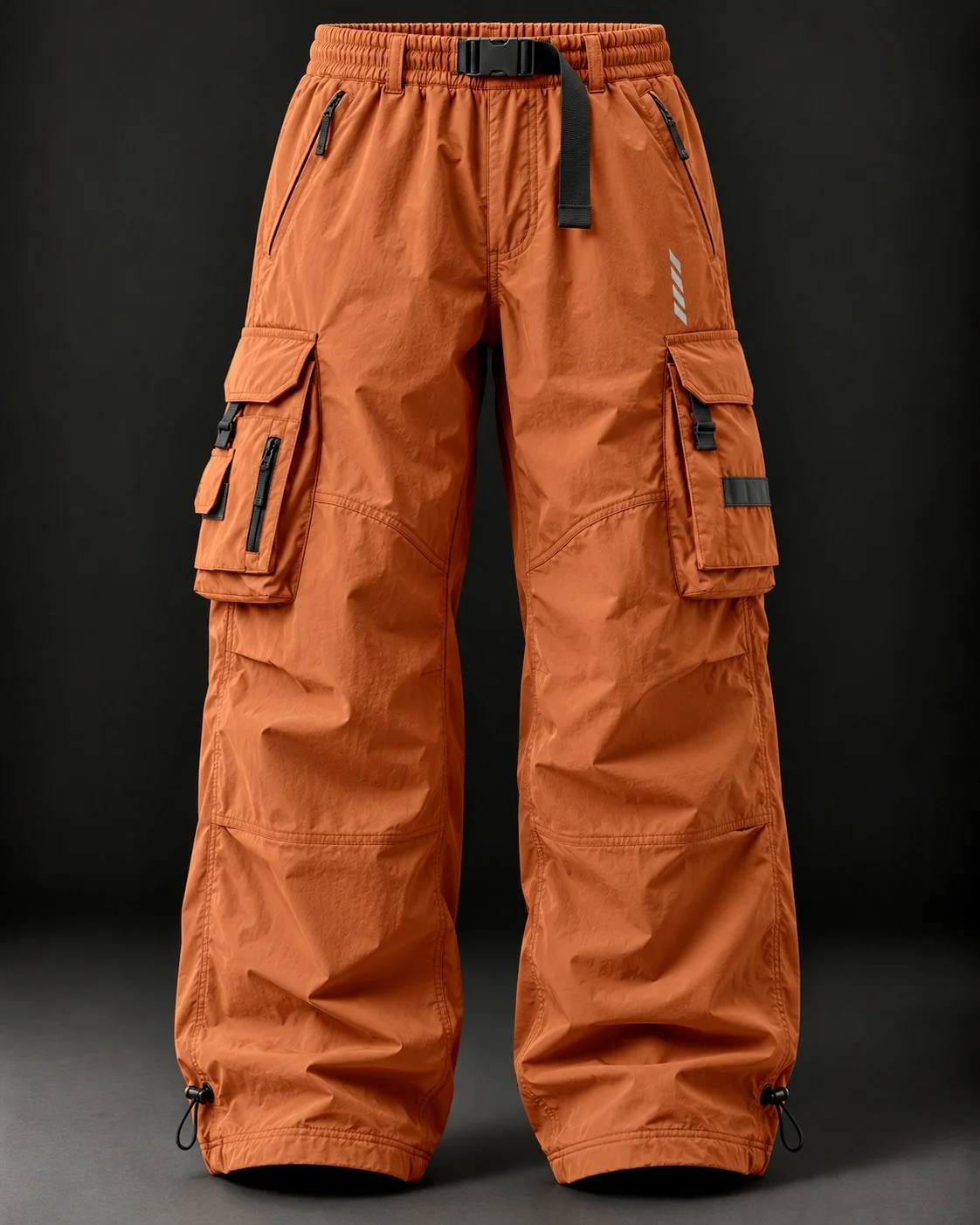
View Product Details : Nylon Cargo Pants380 GSM · Wide-leg relaxed fit
View Product Details : Wide-Leg SweatpantsStraight legs, wide legs and tapered joggers should be described through measurements at agreed points. Provide waist and hip, front and back rise, inseam, thigh, knee and hem opening. Identify how the waist is measured, including the relaxed condition for elastic styles and any separately agreed extended measurement.
Show where the pants should sit on the fit reference and where the hem should finish. A rise change can move the waistband and change apparent leg length even when the inseam stays the same. Cuffed styles also need cuff width, length and material information, because the ankle finish changes how the lower leg rests.
A fleece pant and a woven nylon cargo design need different drape and construction reviews. Give the proposed composition, weight, color and inside finish, with a swatch or garment reference where available. For heavyweight sweatpants, describe the desired handle as well as the weight; thickness alone cannot define the worn shape.
Keep the waistband and pocket materials identified separately where they differ from the body. If the pants are part of a coordinated collection, supply the related top reference so shades, trims and care expectations can be discussed together. Review any material substitution on the development sample before carrying the previous approval forward.
Cargo pockets need dimensions, position, attachment, flap and closure details. Mark them on side views as well as front and back drawings. Keep these measurements separate from the main leg chart so utility features can be revised without losing track of the fit.
Specify drawcord exits, ends and any proposed hem adjustments. Show decoration clear of pocket openings, seams and closures, with a measured placement reference. Label files should identify the waistband or inside attachment position. Confirm embroidery or print appearance on the proposed material, including the inside finish where it contacts the wearer.
Inspect the sample from the front, side and back while worn. Check seated rise, pocket access, ankle position and the line through the knee. Compare flat measurements afterward, using the same conditions as the chart. When the waistband or cuff changes, review the resulting fit again.
Record approved fabric and trim references with the final chart and artwork. Supply quantities by color and size, any top-and-bottom pairing requirements, packing instructions and destination. Private label manufacturing covers brand components, and custom cut and sew development supports original pocket layouts. Send your pant brief to discuss the remaining decisions and order terms.
Send the garment styles, fabric preferences and quantities you have in mind. Include your delivery country and any tech pack or reference images.